Is Your Ice Maker Making Crunchy Ice? Diagnose and Fix the Problem
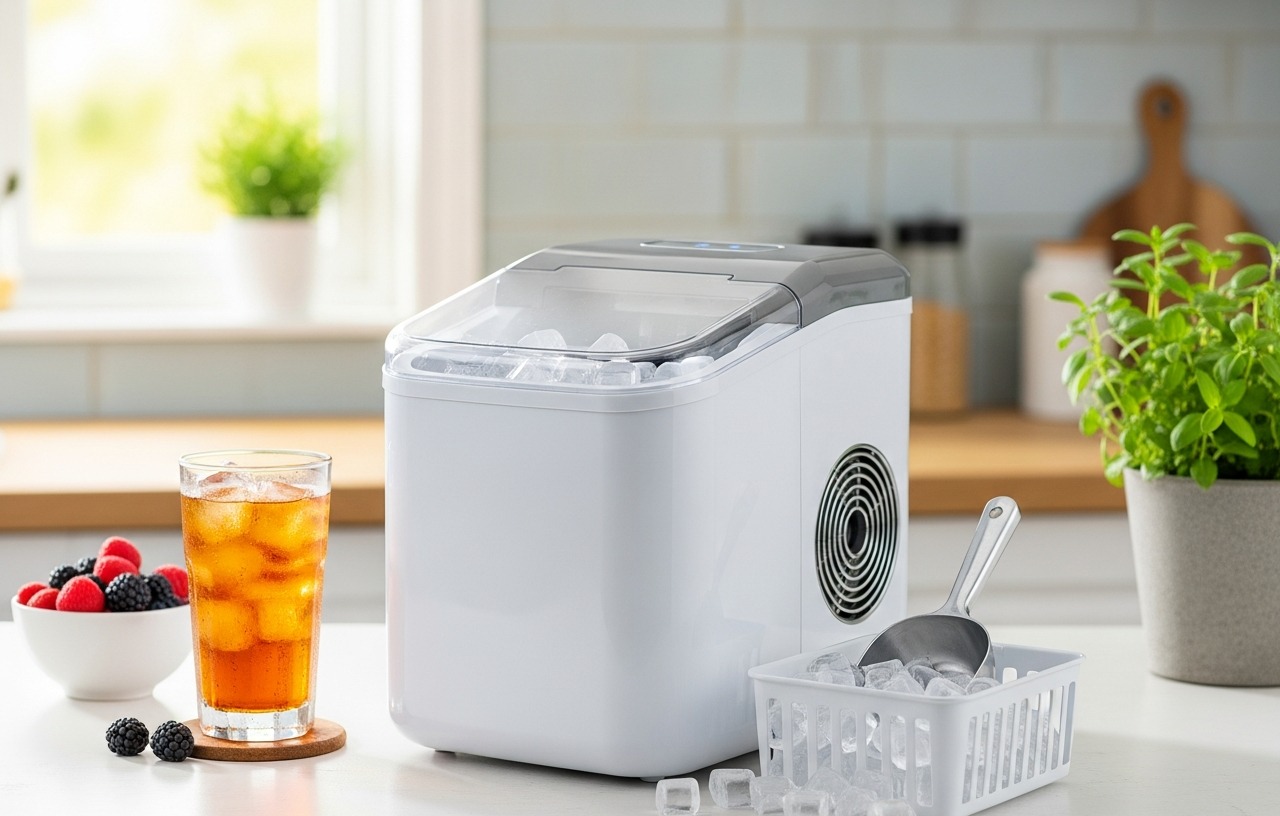
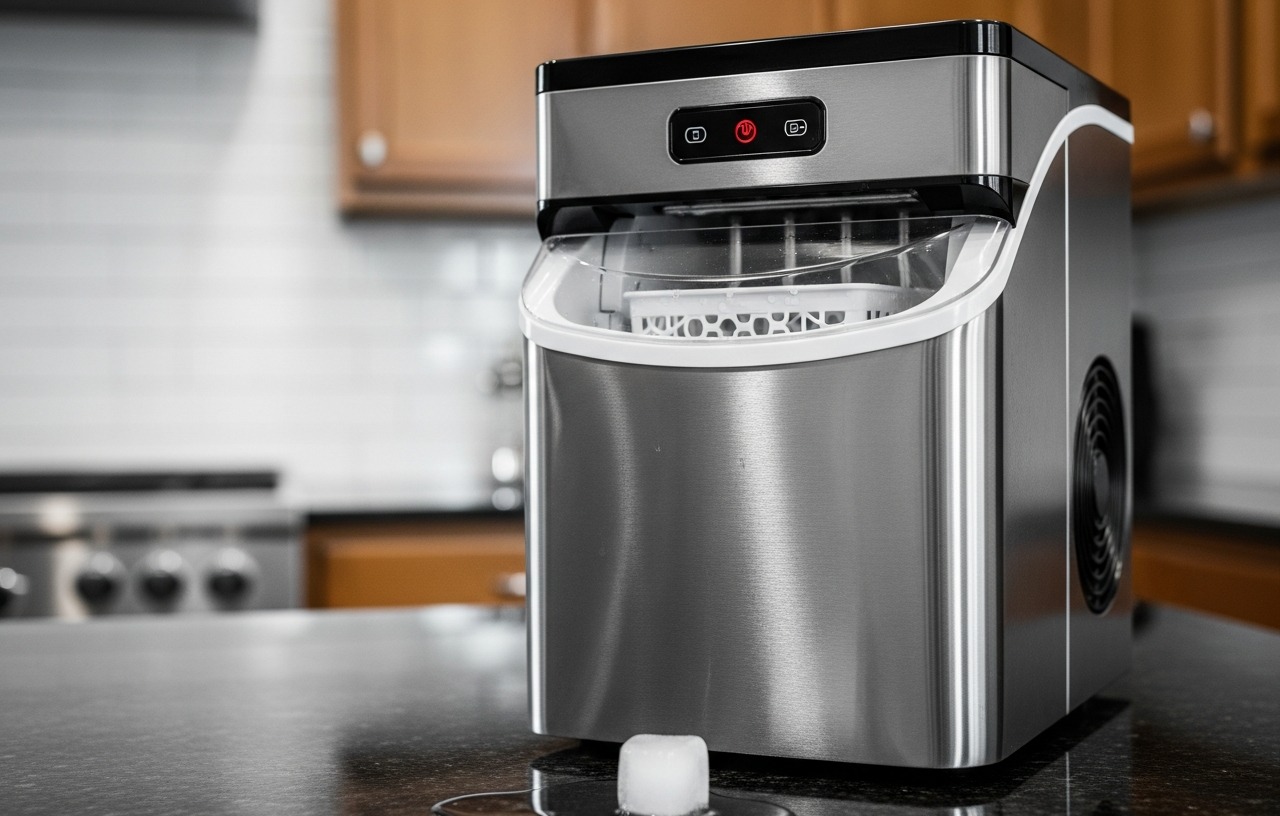
Ice makers producing crunchy, brittle, or cloudy ice often indicate an issue with water quality or internal cleanliness. The primary culprits are usually hard water mineral buildup, a clogged or expired water filter, or infrequent cleaning. These problems affect both countertop models, like the popular Frigidaire EFIC245 SS 3-in-1, and larger units. They lead to ice that melts quickly and tastes off.
Diagnosing the exact cause saves time and money. Most solutions involve simple maintenance tasks you can do yourself. This guide walks you through each potential problem and its solution.
Hard Water Mineral Buildup
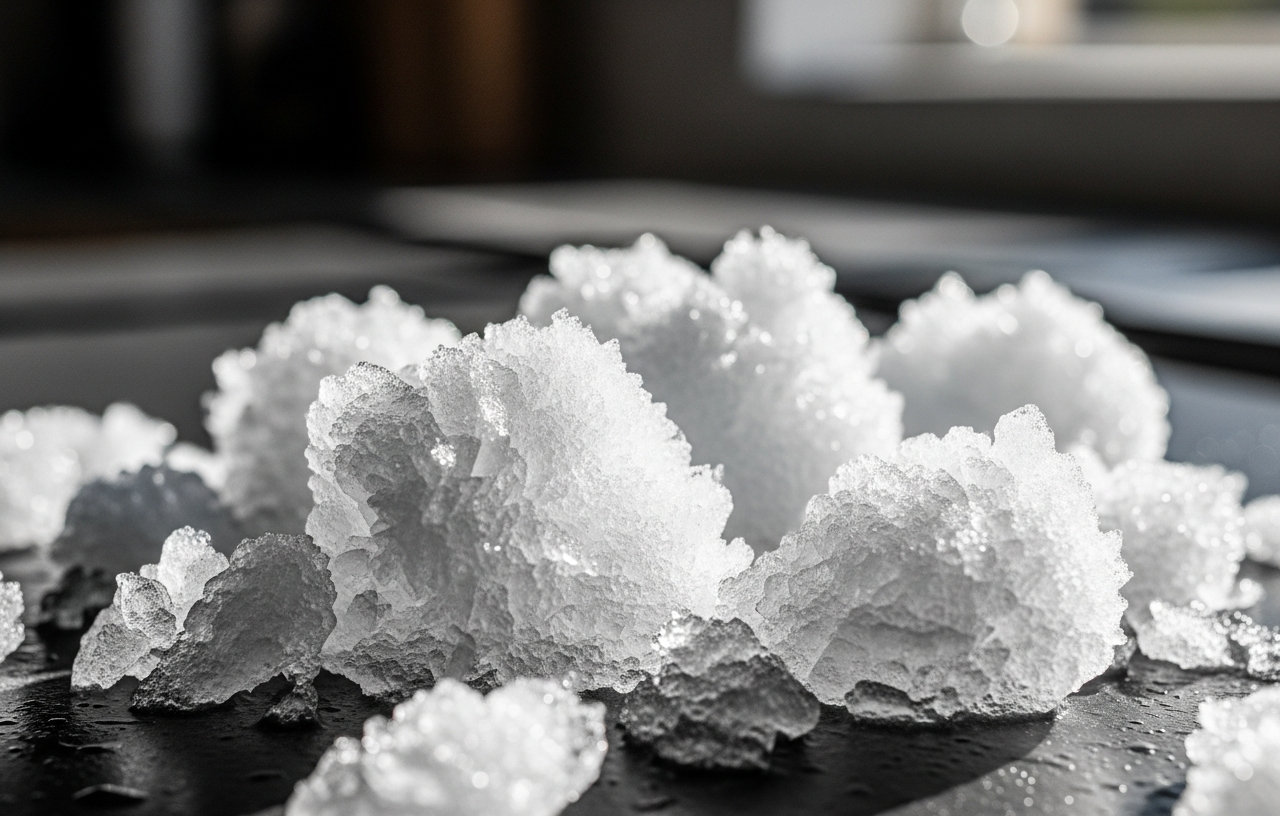
Many areas have hard water, which contains elevated levels of minerals like calcium and magnesium. When water freezes in your ice maker, these minerals separate and become trapped in the ice, making it cloudy, brittle, and crunchy. Over time, these minerals can also accumulate on the freezing plate and in the water reservoir, forming a white, chalky residue.
Quick Test for Hard Water Buildup
Visually inspect your ice cubes. Are they cloudy instead of clear? Next, look inside your ice maker's water reservoir and on the freezing elements. Do you see any white, crusty deposits? If so, hard water mineral buildup is the likely cause of your crunchy ice.
Solution: Descaling Your Ice Maker
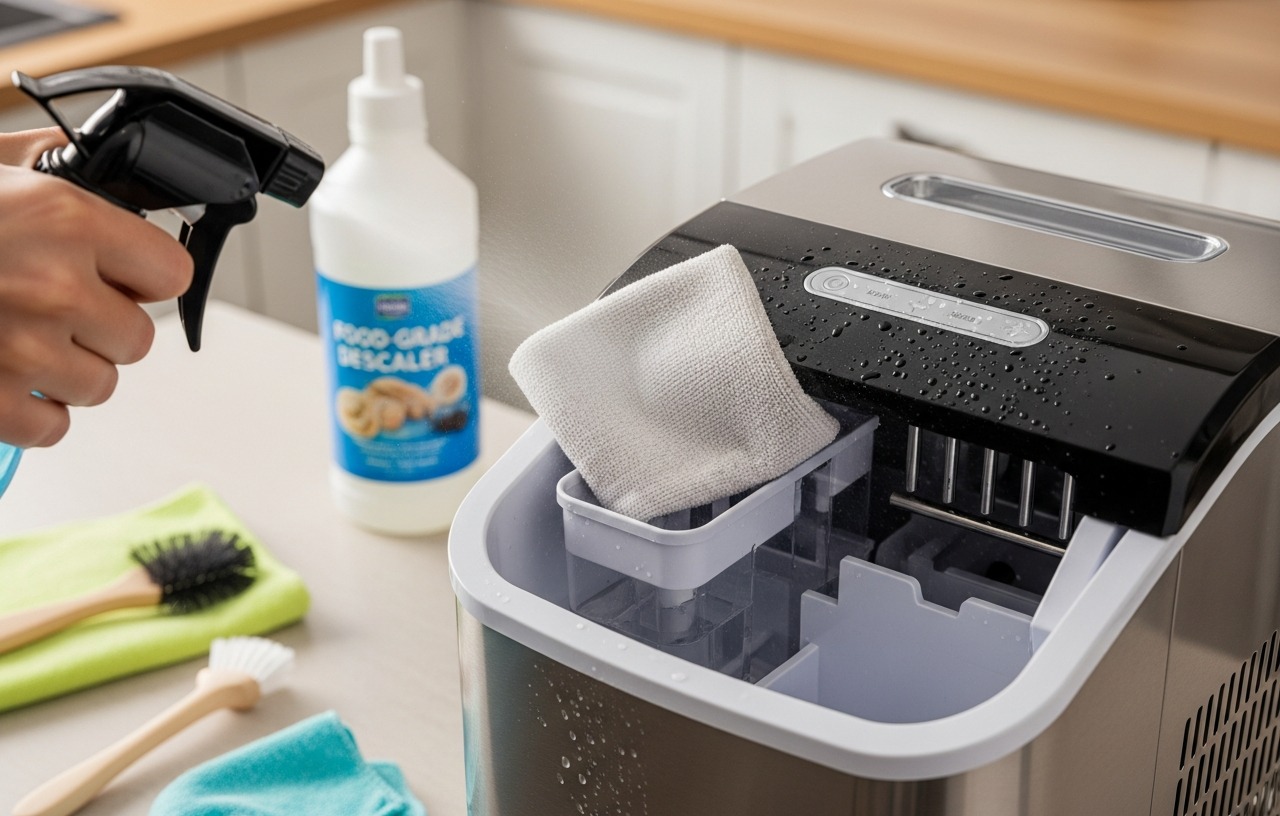
Descaling involves using an acidic solution to dissolve mineral deposits. Many ice makers have a self-cleaning cycle that works with a descaling agent. If yours does not, you can manually clean it.
- Empty the Machine: Make sure the ice maker is unplugged and empty of all ice and water.
- Prepare the Solution: Mix a descaling solution according to product instructions. A common descaling agent is food-grade citric acid.
- Run Cleaning Cycle: Pour the solution into the water reservoir. If your machine has a cleaning cycle, activate it. Otherwise, let the solution sit for 20-30 minutes.
- Scrub and Rinse: Use a soft brush or cloth to gently scrub any visible mineral deposits. The USKICH Ice Machine Cleaner Descaler Tablets are a good option for many portable and countertop models. This product is made from food-grade citric acid, offering a powerful yet nickel-safe descaling action. It works with most countertop, portable, and commercial ice machines, including popular models from Frigidaire, Opal, GE Profile, and Kitchenaid. It is not designed for built-in refrigerator ice makers. A 12-pack of these tablets typically costs between $15 and $25, making it an affordable solution.
 USKICH Ice Machine Cleaner Descaler Tablets-12 Pack Ice Maker Cleaner Compatible with Frigidaire, Opal, GE Profile, Kitchenaid,
- Keep Ice Clear and Tasting Fresh: Ice Maker Cleaner and Descaler is essential to make Crystal Clear Ice.
- Powerful Nickel-Safe Descaling:Ice Machine Cleaner and Descaler is made from Food Grade Citric Acid and.
- Works with all Ice Machines:Not for Built in Refigerator Ice Makers.Designed for Countertop, Portable, and.
- How to Use:Turn off the ice machine and empty the bin or dispenser of all ice.let the water drain out of.
Regular descaling, perhaps every 1-3 months depending on your water hardness, prevents crunchy ice and maintains machine efficiency. A professional ice maker cleaning and descaling service might cost $100-$200, making DIY a much cheaper alternative.
Clogged or Expired Water Filter
Many ice makers, especially larger refrigerator models and some high end countertop units, use a water filter. This filter removes impurities, sediment, and chlorine from your water, improving the taste and clarity of your ice. An expired or clogged filter stops working effectively, allowing unfiltered water to pass through, which results in cloudy and crunchy ice.
Quick Test for Filter Issues
Check your ice maker's maintenance schedule. Most filters need replacement every 3-9 months, depending on usage and water quality. If you have not changed your filter recently, or if the ice quality has noticeably declined since the last filter change, a clogged filter is a strong possibility.
Solution: Replace the Water Filter
Replacing an ice maker filter is usually a simple process. Refer to your appliance's user manual for specific instructions, as the location and type of filter vary by model.
- Internal Filters: These are typically found inside the machine's water reservoir or within the water supply line.
- External Filters: Some countertop ice makers or those connected to a direct water line use inline filters.
For internal filters in large capacity ice makers, the everydrop by Whirlpool Ice Filter, F2WC9I1, Single-Pack is a reliable choice. It is the only filter approved by Whirlpool, Maytag, KitchenAid, and JennAir brands for use in their 50 lb ice maker machines. These filters typically cost between $40 and $60 and should be changed every nine months to maintain optimal performance.
 everydrop by Whirlpool Ice Filter, F2WC9I1, Single-Pack
- Everydrop ICE 2 is the only filter approved by: Whirlpool, Maytag, KitchenAid and JennAir brands.
- Used in 50 Ib ice maker machines
- Filters should be changed every 9 months
- Warning: Damage caused by a non-genuine everydrop Filter is not covered under Whirlpool Corporation's warranty
If your countertop ice maker connects directly to a water line, or if you want to add an external filter for better water quality, consider the PureWater Filters Inline Water Filter Kit. This kit provides better tasting ice and water by removing chlorine and reducing odor-causing elements. It comes with all required parts, including detailed instructions with graphics, 1/4-inch direct quick-connect fittings, tubing, and a T-connector. The filter is NSF and ANSI 42 certified. This kit, which costs around $25-$35, allows you to easily add or continue your existing water line, providing filtered water to your ice maker and another appliance if desired.
Top Pick PureWater Filters Inline Water Filter Kit for Ice Maker with 1/4-Inch Direct Quick-Connect Fittings, Tubing and a T-Connector
- Provides better tasting ice and water by removing chlorine and reducing odor causing elements, also.
- Comes with all required parts including detailed instructions with graphics, filter is NSF and ANSI 42.
- Filter Kit model PWI-CE includes a T-adapter to easily add or continue your existing line and enjoy two.
- Works with most ice maker models having 1/4 inch line water tubing, can also be adapted to provide.
Replacing your water filter regularly, typically every three to nine months, is a preventative measure against crunchy ice and bad-tasting water. Filter costs range from $20 to $60, depending on the brand and type.
You can learn more about choosing the right filtration for your portable machine by reading our Portable Ice Maker Buying Guide: What to Look For.
Infrequent Cleaning
Even if you do not have hard water and you replace your filter on schedule, general debris, dust, mold, or mildew can accumulate inside your ice maker. This happens especially in the water reservoir, on the ice bucket, and on the freezing components. These contaminants can affect the taste and texture of your ice, making it crunchy or giving it an off-flavor. This is distinct from mineral buildup but contributes to poor water quality and ice production.
Quick Test for Cleaning Needs
Visually inspect the interior of your ice maker. Do you see any slime, discoloration, or strange odors? Does the ice bucket feel sticky or look dirty? If you answer yes to any of these, your ice maker needs a thorough cleaning.
Solution: Regular Deep Cleaning
Regular cleaning is essential for any ice maker, especially portable countertop models which are more exposed to ambient air. Plan to clean your machine at least once a month, or more frequently if you use it often or live in a humid environment.
- Unplug and Empty: Always unplug the ice maker before cleaning. Remove any remaining ice and drain all water.
- Disassemble Removable Parts: Take out the ice basket and any other removable components. Wash these in warm, soapy water.
- Clean Interior Surfaces: Use a soft cloth dampened with a mild soap solution (or a mixture of equal parts white vinegar and water) to wipe down all interior surfaces, including the water reservoir and freezing elements.
- Rinse Thoroughly: Rinse all surfaces multiple times with clean water to remove any soap or vinegar residue. Make sure no cleaning agent remains.
- Dry Completely: Allow the interior to air dry completely before reassembling and plugging the machine back in.
The cost for this solution is minimal, involving only basic cleaning supplies. You can find a detailed, step by step guide on our site: How to Clean a Countertop Ice Maker.
Preventative Measures for Crunchy Ice
Preventing crunchy ice is easier than fixing it. Implement these habits:
- Use Filtered Water: Always fill your ice maker with filtered or distilled water. This significantly reduces mineral buildup and the need for frequent descaling.
- Clean Regularly: Perform a deep clean of your ice maker at least once a month.
- Replace Filters: Adhere to the manufacturer's recommendations for filter replacement, typically every 3-9 months.
- Empty and Dry: If you do not plan to use your ice maker for an extended period, empty it completely and let it dry to prevent mold and mildew growth.
When to Consider Professional Repair or Replacement
If you have tried descaling, replacing the filter, and thoroughly cleaning your ice maker, but it still produces crunchy ice, there might be a more serious underlying issue. This could involve a faulty pump, compressor, or thermostat. At this point, you have two main options:
- Professional Repair: A qualified appliance technician can diagnose and fix complex internal problems. Repair costs for ice makers can vary widely, from $100 to $300 or more, depending on the part needed and labor.
- Appliance Replacement: If the repair cost approaches or exceeds 50% of the price of a new ice maker, buying a new unit often makes more financial sense. Many reliable countertop ice makers cost between $100 and $250.
You can find more information on the economics of repair versus replacement here: Ice Maker Repair Cost: Is It Worth Fixing Your Portable Machine?
For new options, consider reviewing our top picks in Best Countertop Ice Maker 2026: Top Models Compared.
Final Thoughts on Crunchy Ice
Crunchy ice from your ice maker is a common problem with identifiable causes. Most often, a simple descaling, filter replacement, or thorough cleaning will resolve the issue. By understanding the common culprits, you can quickly diagnose the problem and enjoy clear, fresh-tasting ice again.
Our Top PicksTop PickPureWater Filters Inline Water Filter Kit for Ice Maker with 1/4-Inch Direct Quick-Connect Fittings, Tubing and a T-ConnectorCheck Price on Amazoneverydrop by Whirlpool Ice Filter, F2WC9I1, Single-PackCheck Price on AmazonUSKICH Ice Machine Cleaner Descaler Tablets-12 Pack Ice Maker Cleaner Compatible with Frigidaire, Opal, GE Profile, Kitchenaid,Check Price on Amazon