Dorm Room Essentials: The Ultimate Mini Fridge Buying Guide for Students
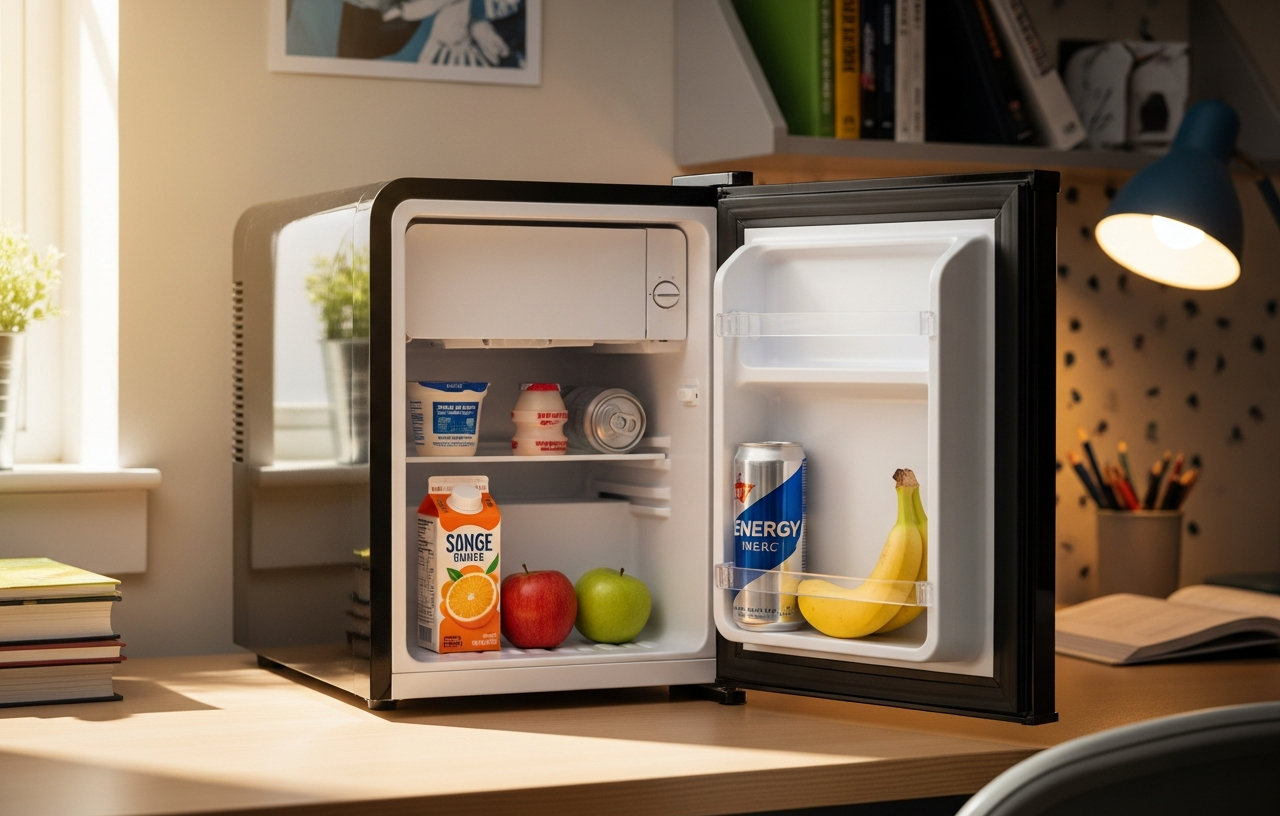
A typical dorm room measures around 120-150 square feet. Every appliance choice, especially a mini fridge, needs careful consideration of both footprint and function. Selecting the right mini fridge can enhance a student's dorm experience, providing convenient access to snacks, drinks, and meal prep items without sacrificing valuable living space.
Many universities have specific rules about appliance wattage and size. Always check your dorm's regulations before purchasing. Understanding these guidelines, along with key product specifications, will help narrow down the many available options.
Why a Mini Fridge is a Dorm Room Essential
A mini fridge in a dorm room offers more than just cold drinks. It provides students with a sense of independence and convenience. Many students use their mini fridges to store leftovers from the dining hall, keeping them fresh for later meals. This can reduce food waste and save money.
Access to healthy snacks and fresh produce encourages better eating habits. Instead of relying solely on vending machines or expensive takeout, students can keep fruits, yogurt, and other nutritious items readily available. It also allows for personal food preferences, dietary restrictions, or late-night study fuel.
Key Specifications to Consider for Dorm Life
Choosing a mini fridge involves balancing several factors. Capacity, dimensions, and cooling type are among the most critical for a dorm environment.
Capacity and Dimensions
Mini fridge capacities are measured in cubic feet (cu ft) or liters. For most dorm rooms, a fridge between 1.6 and 3.2 cu ft is ideal. A 1.6 cu ft model, often around 17-19 inches tall, holds a few drinks and small snacks. A 3.2 cu ft model, typically 32-34 inches tall, can hold more substantial groceries, including a gallon of milk, a few meals, and multiple beverages.
Measure your available space carefully. Consider the height, width, and depth of the area where the fridge will sit. Remember to leave a few inches around the sides and back for proper ventilation. This prevents the fridge from overheating and running inefficiently.
Cooling Technology: Compressor vs. Thermoelectric
Mini fridges generally use one of two cooling technologies.
- Compressor Mini Fridges: These operate like standard full-size refrigerators. They are generally more powerful, achieve colder temperatures, and are more energy-efficient. However, they tend to be heavier and produce a low hum, which might be noticeable in a quiet dorm room. Compressor models are a good choice if consistent, very cold temperatures and a small freezer compartment are priorities.
- Thermoelectric Mini Fridges: These models use a Peltier module for cooling. They are significantly quieter, often silent, and lighter. They typically do not get as cold as compressor models, usually maintaining temperatures about 20-30 degrees Fahrenheit below ambient room temperature. Many thermoelectric models also include a warming function. These are best for keeping a few drinks or cosmetics cool, or for those who prioritize absolute silence.
Noise Level
Noise is a major consideration for dorm rooms. A loud mini fridge can disrupt sleep and study. Compressor models typically range from 38-45 decibels (dB). Thermoelectric models are often under 30 dB, sometimes even silent. Look for specific decibel ratings in product specifications or verified customer reviews. A fridge operating under 40 dB is generally considered quiet enough for a bedroom or dorm.
Energy Efficiency
An Energy Star certification indicates that a mini fridge meets strict energy efficiency guidelines. While the upfront cost might be slightly higher, an Energy Star model will save money on electricity bills over the course of a semester or academic year. This is particularly important if you are responsible for your own utility costs.
Additional Features to Consider
- Freezer Compartment: Some mini fridges include a small freezer section. These are useful for ice cubes, frozen meals, or ice cream. Be aware that smaller freezer compartments often require manual defrosting.
- Reversible Door: A reversible door allows you to change which way the door swings open, offering flexibility for placement in tight spaces.
- Adjustable Shelves: These allow you to customize the interior layout to accommodate different-sized items.
- Door Lock: While not common, some models offer a lock, which can be useful for securing contents in shared living situations.
Red Flags to Watch For
Not all mini fridges are created equal. Be cautious of certain issues reported in user reviews and product descriptions.
- Consistent Noise Complaints: If multiple reviews mention a loud compressor hum or rattling, it's a sign the fridge might be too noisy for a dorm.
- Poor Temperature Consistency: Reviews indicating food spoilage or an inability to keep items cold enough are major red flags. This suggests inadequate insulation or a weak cooling system.
- Frequent Defrosting Issues: For models with freezer compartments, excessive frost buildup requiring frequent manual defrosting can be a hassle.
- Lack of Energy Star Rating: While not a deal-breaker for very small or specialty fridges, a lack of an Energy Star rating often means higher operating costs.
- Condensation or Leaks: Any reports of water pooling inside or outside the fridge indicate a potential problem with the seal or drainage.
Comparing Options: Budget, Mid-Range, and Premium
Mini fridge prices vary widely based on size, features, and cooling technology.
- Budget-Friendly (Under $100): These are often thermoelectric models, typically 0.1 to 1.7 cu ft. They are best for a few cans or small snacks. Look for brands like Cooluli or AstroAI.
- Mid-Range ($100-$250): This category includes many compressor models, usually 1.7 to 3.2 cu ft. They offer better cooling and often include a small freezer. Brands like Black+Decker, Insignia, or Frigidaire often have options here.
- Premium ($250+): Larger mini fridges (3.2 cu ft and above), often with advanced features like glass shelves, internal lights, or specialized cooling zones, fall into this range. These might be overkill for a typical dorm room but offer superior performance and build quality.
Our Top Pick: Cooluli Mini Fridge for Bedroom
For dorm living, the Cooluli Mini Fridge for Bedroom - Car, Office Desk & Dorm Room - Portable 4L/6 Can Electric Plug In Cooler & Warmer for Food stands out. This compact unit is ideal for students who need a quiet, versatile option for a few essential items. Its small 4-liter capacity holds up to six standard 12-ounce cans, making it perfect for drinks, small snacks, or even skincare products.
The Cooluli operates on a thermoelectric system, meaning it runs very quietly, which is a significant advantage in a shared living space or during late-night study sessions. A unique feature is its ability to switch easily from cooling to warming, allowing students to keep beverages cold or maintain the warmth of a small meal. It comes with AC, DC, and USB adapters, offering flexible power options whether plugged into a wall outlet, a car, or even a power bank.
Its sleek matte finish and portable design make it a stylish and practical addition to any dorm. Based on product specs and design, it's an excellent choice for minimalists or those with very limited space who prioritize quiet operation and versatility over large storage capacity.

- The thermoelectric system allows for easy switching from beverage cooler to food warmer! Holds up to six.
- AC/DC and USB ADAPTERS INCLUDED: The Cooluli Cooler & Warmer comes included with AC and DC power adapters.
- The Cooler & Warmer has a beautiful matte finish on the outside. Sleek enough to leave at home or in the.
- The thermoelectric cooler and food warmer works by transferring heat from one side of the device to the.
long term Cost of Ownership and Maintenance
The initial purchase price of a mini fridge is only part of the overall cost. Consider the ongoing expenses and maintenance requirements.
Energy Consumption
Even small appliances use electricity. An older, less efficient mini fridge can consume more power than expected, leading to higher electricity bills. An Energy Star certified model will minimize this cost. You can often find the estimated annual energy consumption on the product's yellow EnergyGuide label.
Cleaning and Defrosting
Regular cleaning is essential for hygiene and efficiency. Wipe down the interior and exterior surfaces monthly with a mild detergent and water. For models with a freezer compartment, manual defrosting is necessary when frost builds up. This typically needs to be done every few months, or when frost reaches about a quarter-inch thick. Neglecting defrosting can reduce cooling efficiency and potentially damage the unit.
If your mini fridge stops cooling effectively, some common issues can be fixed at home before considering professional repair. Checking the power supply, cleaning coils, and ensuring proper ventilation are often good first steps. For more detailed instructions on defrosting your unit, refer to our guide on How to Defrost Mini Fridge: Simple step by step.
Lifespan and Repair
A well maintained mini fridge can last anywhere from 6 to 10 years, depending on the quality of the unit and frequency of use. If your mini fridge is not cooling, it might be a simple fix. Consult our article on Mini Fridge Not Cooling? Common Fixes & Repair Costs for troubleshooting steps and potential repair costs.
Final Considerations for Your Dorm Mini Fridge
When making your final decision, think about your daily habits. Do you plan to store full meals, or just drinks and snacks? How sensitive are you to noise? What are the specific rules of your dorm? Answering these questions will guide you toward the best mini fridge for your needs. A thoughtful purchase today will contribute to a more comfortable and convenient dorm life throughout your academic year.