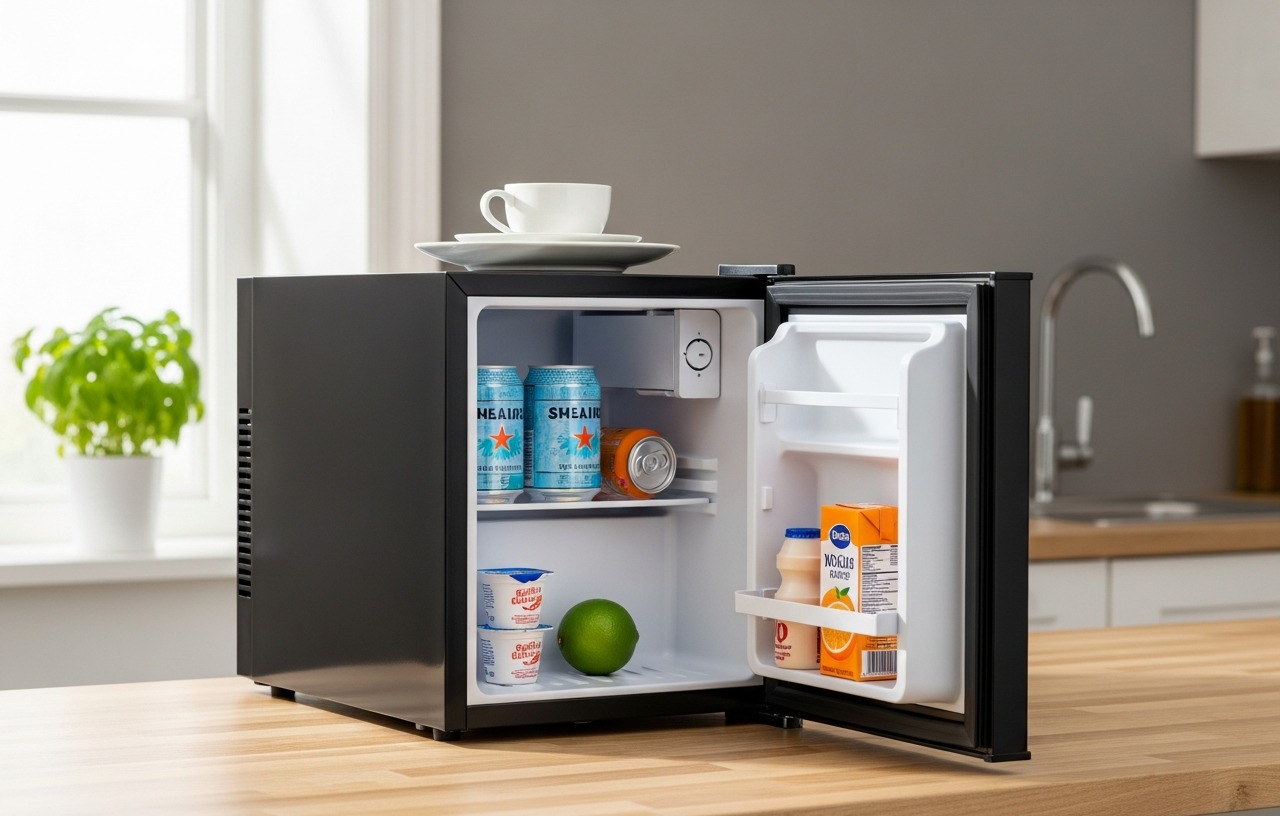
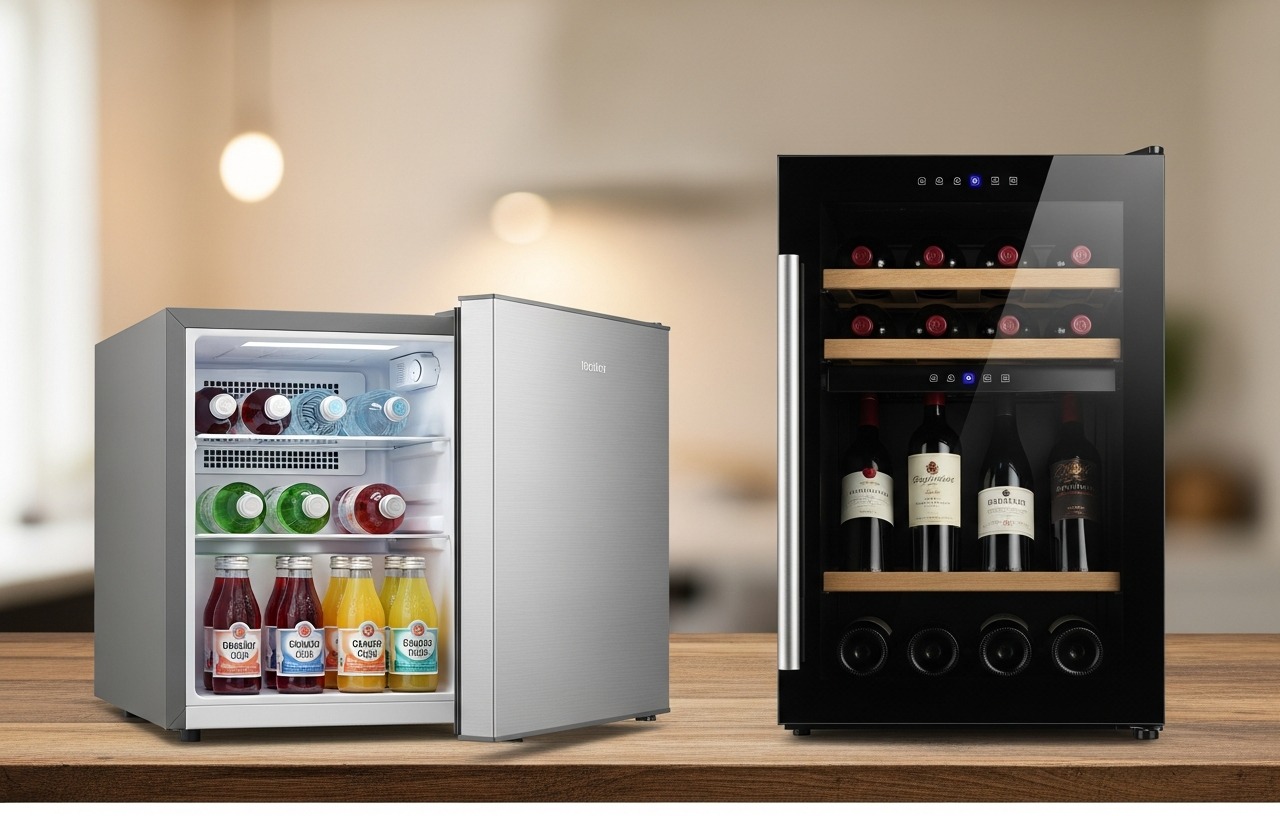
Most apartment dwellers, college students, and RV owners rely on mini fridges to keep beverages, snacks, and essential items cool. When your mini fridge is not cooling, it disrupts daily routines. Fortunately, many common issues that prevent a mini refrigerator from getting cold are fixable. This guide covers the most frequent culprits, from simple thermostat adjustments to more involved mechanical problems.
1. Often, the dial or digital control is accidentally turned down or off. Always start by checking the temperature setting. Ensure it is set to a cooler level. Also, verify the unit is plugged in securely and that the power outlet is functioning. Test the outlet with another appliance to rule out an electrical issue.
Sometimes, a simple power interruption or a low setting is the culprit. This is the easiest fix for a mini fridge not getting cold.
2. Dirty Condenser Coils
Condenser coils are essential for heat dissipation. If they are covered in dust, dirt, or pet hair, the refrigerator cannot release heat effectively. This makes the compressor work harder and less efficiently, leading to a mini fridge not cooling properly. This is a very common problem, especially in units placed in dusty environments or near pets.
How to Clean Condenser Coils:
- Unplug the mini fridge. Safety first.
- Locate the coils. They are usually on the back of the unit or underneath behind a grille. Consult your owner's manual if unsure.
- Gently brush away debris. Use a soft brush or vacuum cleaner with a brush attachment. For stubborn dust, a coil brush designed for refrigerators is effective.
- Avoid bending the coils. They are delicate.
- Plug the unit back in and check cooling performance after a few hours.
Cleaning condenser coils is a DIY task that can significantly improve cooling. For many, this step alone resolves a small refrigerator not cooling issue. The cost for cleaning supplies is minimal, typically under $20.
3. Blocked Air Vents
Inside your mini fridge, there are vents that allow cold air to circulate from the freezer compartment (if it has one) to the refrigerator section. If these vents are blocked by food items, ice buildup, or packaging, cold air cannot reach the rest of the appliance. This results in uneven cooling or the entire unit not getting cold.
Troubleshooting Blocked Vents:
- Rearrange food items. Make sure nothing is pushed directly against the back wall or obstructing the vents.
- Check for ice buildup. If you see frost accumulating around the vents, this indicates a potential defrosting issue (covered next).
- Remove obstructions. Ensure there's space for air to flow freely.
Proper air circulation is vital for consistent temperatures. This fix is free and requires no special tools. For the Cooluli Mini Fridge for Bedroom, ensure items are not packed too tightly, allowing the compact cooling system to distribute air effectively.
4. Frost Buildup (Defrost System Issues)
Many smaller refrigerators use manual defrost systems. Over time, frost can accumulate on the interior walls and evaporator coils. If this frost layer becomes too thick, it can insulate the cooling elements and block airflow, preventing the mini fridge from cooling effectively. Units with automatic defrost can also experience issues if the defrost heater, thermostat, or timer fails.
Addressing Frost Buildup:
- Manual Defrost: Unplug the unit, empty it completely, and leave the doors open for several hours (or overnight) to allow the frost to melt. Place towels around the base to catch water. Never use sharp objects to chip away ice, as this can damage the internal components.
- Automatic Defrost Problems: If frost quickly rebuilds after manual defrosting, or if you suspect a component failure in an auto-defrost model, professional diagnosis is likely needed.
A manual defrost can resolve temporary cooling problems. If your unit has an automatic defrost system and is experiencing persistent frost, repairs can range from $100 to $300 depending on the faulty component (defrost heater, thermostat, or timer).
5. Door Seal Leaks
A damaged or dirty door seal (gasket) allows warm air to enter the mini fridge and cold air to escape. This forces the appliance to run constantly to maintain a cool temperature, but it may still struggle to reach and maintain the desired coldness. This is a common issue for any refrigerator, including mini models.
Checking and Cleaning Door Seals:
- Inspect the gasket. Look for cracks, tears, or areas where it's no longer making contact with the fridge frame.
- Clean the gasket. Use warm, soapy water to clean any dirt, food residue, or mold from the seal. A clean seal makes better contact.
- Test the seal. Close the door on a piece of paper or a dollar bill. If you can pull it out easily, the seal is weak and may need replacement.
Replacing a door gasket is often a DIY-friendly repair, with replacement parts costing between $20 and $50. A secure seal is critical for a small refrigerator not cooling efficiently.
6. Evaporator Fan Motor Failure
The evaporator fan circulates cold air from the evaporator coils throughout the refrigerator compartment. If this fan stops working, cold air won't be distributed properly, even if the coils are cold. You might hear unusual noises or no fan noise at all from inside the unit. This is a less common cause than dirt or thermostat issues for a mini fridge not cooling, but it's significant.
Troubleshooting the Evaporator Fan:
- Listen for the fan. Open the freezer compartment (if applicable) and listen for a whirring sound.
- Check for obstructions. Ensure ice buildup or debris isn't preventing the fan blades from spinning.
- Professional diagnosis. If the fan isn't running and there are no obstructions, the motor may have failed.
Replacing an evaporator fan motor typically costs between $100 and $250, including parts and labor. This is a repair best left to a qualified technician if you are not comfortable with appliance repair.
7. Condenser Fan Motor Failure
Similar to the evaporator fan, the condenser fan circulates air over the condenser coils to help dissipate heat. If this fan fails, the refrigerator will overheat and its cooling capacity will drop significantly, leading to a mini refrigerator not cooling properly. This fan is usually located near the compressor at the back or bottom of the unit.
Diagnosing the Condenser Fan:
- Check for obstructions. Ensure no wires or debris are preventing the fan from spinning.
- Listen for operation. With the unit plugged in and running, you should hear or see the condenser fan operating.
- Professional assessment. If the fan is not spinning, the motor may need replacement.
Repairing or replacing a condenser fan motor can cost between $100 and $300. This is another repair that often requires professional expertise.
8. Compressor Issues
The compressor is the heart of the refrigeration system. It circulates the refrigerant that cools the interior. If the compressor fails, the refrigerator will not cool at all. This is the most serious and expensive component failure for a mini fridge not cooling.
Signs of Compressor Failure:
- The unit is not cooling at all.
- You hear clicking sounds from the compressor relay, but it doesn't start.
- The compressor is unusually hot to the touch.
Replacing a compressor is a complex job. The cost can range from $200 to $400 or more, often approaching the price of a new mini fridge. For many older or less expensive units, it might be more economical to replace the appliance rather than repair the compressor. For example, the Antarctic Star Compact Mini Fridge or the Frigidaire Retro 9-Can Mini Personal Fridge might be more cost effective to replace if the compressor fails.
When to Call a Professional
For issues related to the compressor, fan motors, or the sealed refrigerant system, it is best to call a qualified appliance repair technician. If you have cleaned the coils, checked the vents and thermostat, and performed a manual defrost without success, it's time to seek professional help. Attempting complex repairs yourself can lead to further damage or safety hazards.
Professional service calls typically range from $75 to $150 for diagnosis alone. The total repair cost will depend on the part needed and labor. For less expensive mini fridges, evaluate the repair cost against the price of a new unit, especially if the appliance is several years old.
Maintaining your mini fridge with regular cleaning of coils and ensuring proper airflow will prevent many common cooling problems. Understanding these potential issues can help you quickly diagnose and resolve a mini fridge not cooling situation.
For more options in compact cooling, consider our reviews of the best mini fridges for apartment living.