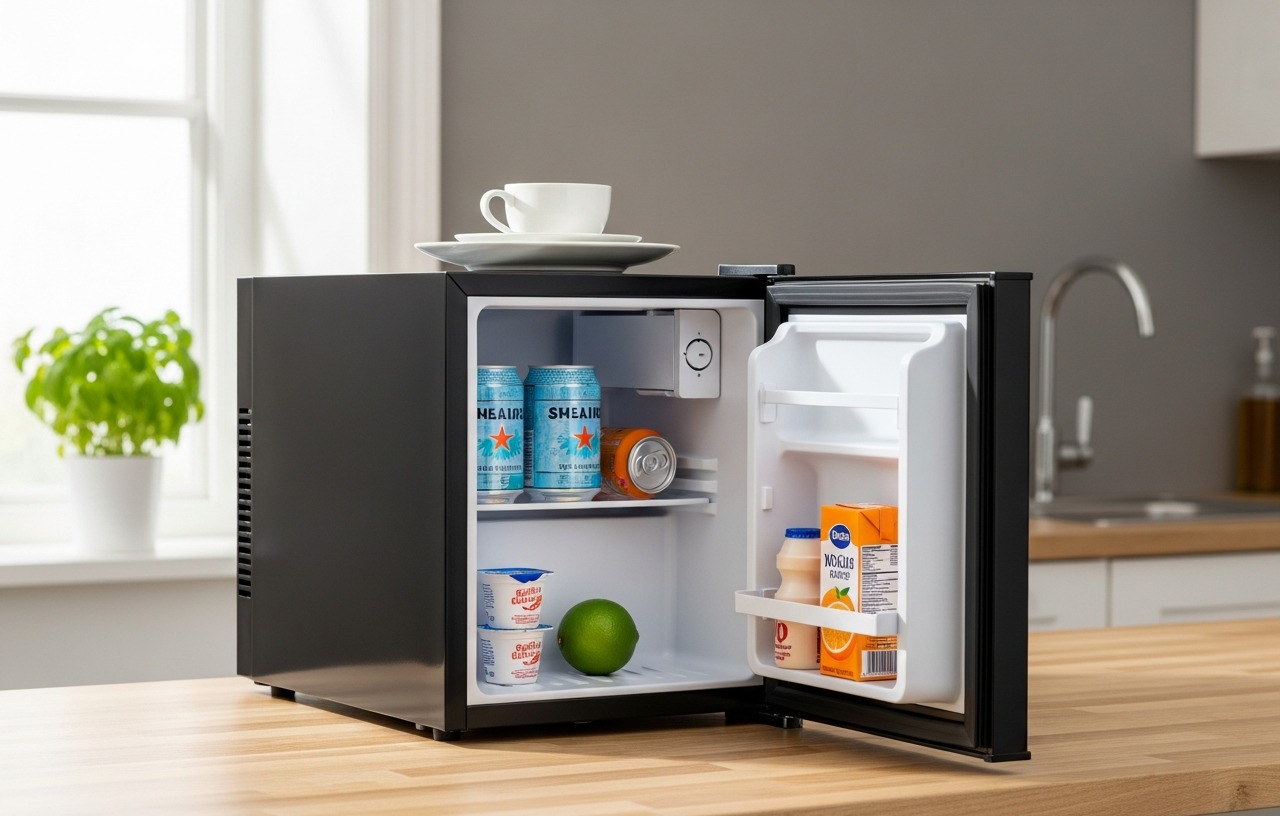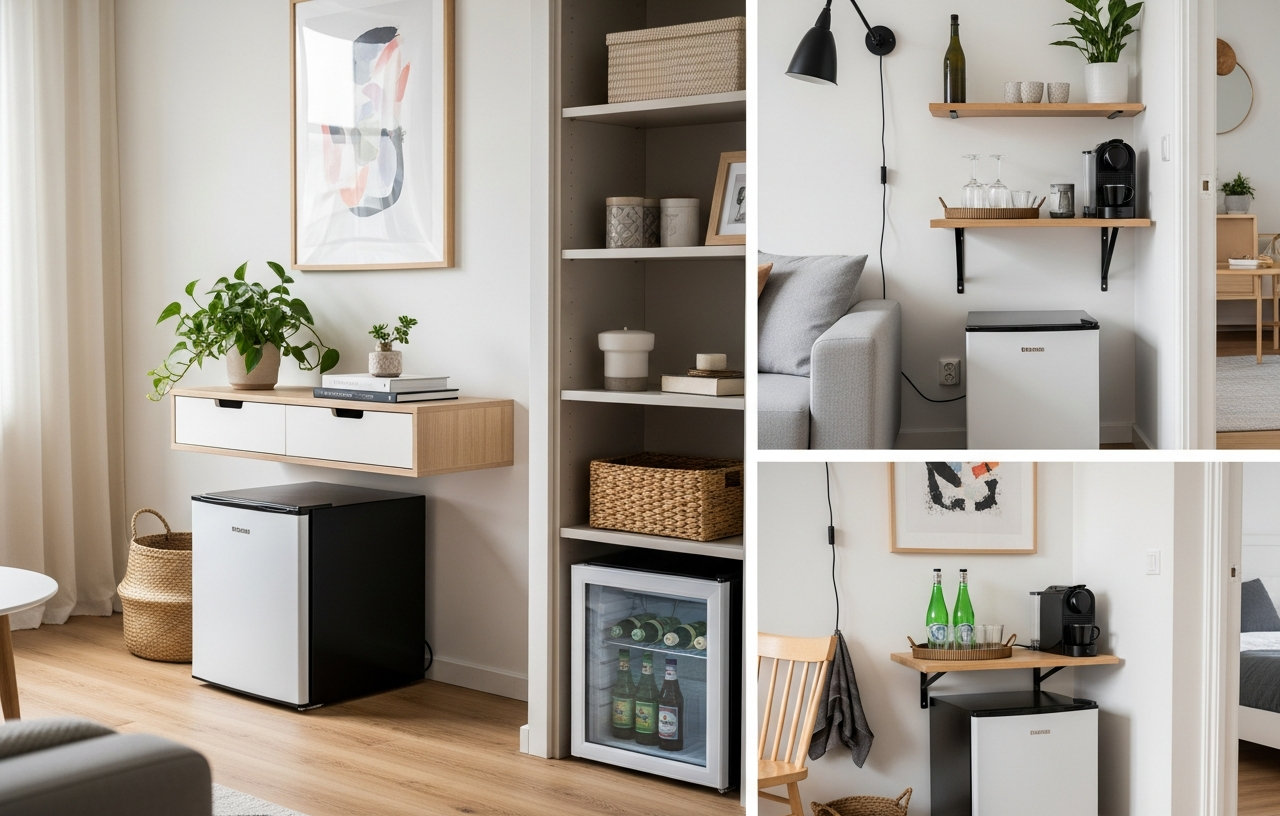
Mini fridges come in various capacities, from 1.6 cubic feet personal coolers to 4.5 cubic feet compact models. The difference in size often dictates where they can fit. Finding the right spot for a mini fridge in a small apartment requires careful planning, considering both the appliance's functional needs and your living space's limitations. Proper placement ensures the fridge runs efficiently, avoids damage, and integrates well into your home without creating clutter.
Understanding Your Mini Fridge's Requirements
Before moving your mini fridge, understand its basic operational needs. These requirements are not just about functionality. They are about safety and the lifespan of the appliance. Overlooking them can lead to higher energy bills, premature breakdowns, and even fire hazards.
Size and Dimensions
Mini fridges vary widely in height, width, and depth. A compact 1.6 cubic foot model might be under 20 inches tall, while a 4.5 cubic foot unit could exceed 33 inches. Measure your specific mini fridge's dimensions accurately before you start looking for a spot. Also, measure the available space you have in mind. Remember to account for door swing clearance. A fridge door needs to open fully to access contents and to allow for proper cleaning.
Ventilation Needs
All refrigerators, including mini fridges, generate heat as they cool. This heat needs to dissipate. If the fridge's condenser coils cannot release heat, the unit will work harder, use more energy, and eventually overheat. Make sure to leave at least 2 to 3 inches of clearance on the sides and back of the mini fridge. Leave 4 to 5 inches on top. This allows for adequate airflow. Placing a mini fridge in an enclosed cabinet without proper ventilation is a common mistake that shortens its lifespan.
Power Access and Safety
A mini fridge needs a reliable power source. It should be plugged directly into a dedicated wall outlet. Avoid using extension cords or power strips, as these can overheat and pose a fire risk, especially with appliances that draw consistent power like refrigerators. Make sure the outlet is easily accessible, so you can unplug the unit for cleaning or in an emergency. The electrical circuit should be able to handle the fridge's power draw without tripping breakers.
Stability and Level Surface
For a mini fridge to operate quietly and efficiently, it must sit on a stable, level surface. An uneven surface can cause vibrations, leading to excessive noise and potentially affecting the cooling system. Many mini fridges have adjustable leveling feet. Use these to make sure the unit is perfectly balanced. Consider how the mini fridge will integrate into your daily life and the overall flow of your home.
Kitchen and Dining Areas
The kitchen is the most natural place for a mini fridge. If your main refrigerator is small or often full, a mini fridge can hold extra beverages, snacks, or meal prep items. Look for unused corners, under a countertop extension, or even a pantry if space permits. A compact mini fridge can fit neatly beside a kitchen island or in a dining nook. This keeps drinks and snacks convenient during meals or gatherings.
Living Room Nooks
A living room can benefit from a mini fridge, especially if you entertain often or enjoy relaxing with a cold drink. Place it discreetly in a living room nook, perhaps next to a sofa or an entertainment unit. Choose a model known for quiet operation to avoid disturbing TV watching or conversations. Some mini fridges have sleek designs that can blend into modern decor.
Bedroom Considerations
For students or anyone who enjoys late-night snacks and drinks, a mini fridge in the bedroom offers ultimate convenience. Again, quiet operation is key here. Place it away from your bed to minimize noise, perhaps in a corner or under a sturdy desk. Make sure it is not directly next to a heat source like a radiator or a window with direct sunlight.
For more options, consider these Top Picks: The Best Quiet Mini Fridges for Bedrooms & Offices.
Under Desks or in Home Offices
A home office is another practical spot for a mini fridge. It keeps drinks and snacks within reach during long work sessions, reducing trips to the kitchen. Make sure there is still enough space for your legs and proper ventilation around the unit.
Avoid Direct Sunlight and Heat Sources
Regardless of the chosen location, always avoid placing your mini fridge in direct sunlight or next to heat-emitting appliances like ovens, radiators, or even large computers. Heat forces the fridge to work harder, decreasing its efficiency and increasing energy consumption. This can also lead to premature wear and tear on the compressor.
step by step Guide to Optimal Mini Fridge Placement
Follow these steps to successfully place your mini fridge in your small apartment, ensuring both functionality and aesthetic appeal.
Step 1: Measure Your Mini Fridge and the Potential Space
- Measure the Fridge: Use a tape measure to get the exact height, width, and depth of your mini fridge. Include the door handle if it protrudes significantly.
- Measure Potential Spots: Go to each prospective location in your apartment. Measure the available floor space, height clearance, and depth. Remember to add the necessary ventilation gaps (2-3 inches on sides/back, 4-5 inches on top) to your measurements.
- Check Door Swing: Make sure there is enough room for the fridge door to open fully without hitting walls, furniture, or other appliances.
Tools: Tape measure
Time Estimate: 5-10 minutes
Step 2: Clear and Clean the Chosen Area
- Remove Obstacles: Move any furniture, decor, or other items that are currently occupying the chosen spot.
- Clean the Surface: Wipe down the floor or shelf where the mini fridge will sit. Dust and debris can accumulate under the fridge, potentially blocking lower vents or becoming a nuisance to clean later. A clean, dry surface also helps with stability.
Tools: Cleaning supplies, cloth
Time Estimate: 10-15 minutes
Step 3: Check for Power Outlets and Ventilation
- Locate Power Outlet: Confirm there's a conveniently located and accessible power outlet. Make sure it is a standard 3-prong grounded outlet.
- Assess Ventilation: Visually confirm that the chosen spot allows for the recommended clearances on all sides, back, and top. If placing it in a cabinet, consider adding ventilation grates or leaving the cabinet door open during operation.
- Circuit Capacity: If possible, verify that the outlet is on a circuit that can handle the mini fridge's power draw without being overloaded by other appliances.
Safety Warning: Never use an extension cord with a mini fridge. Plug it directly into a wall outlet.
Time Estimate: 5 minutes
Step 4: Prepare the Surface (Consider a Stand)
If your mini fridge will sit directly on the floor or a low surface, make sure it is sturdy and level. For small apartments, mini fridge stands are excellent solutions. They elevate the appliance, improving ergonomics and often adding valuable storage or mobility. These stands typically range from $30 to $150, depending on features and materials.
The Nefish Mini Fridge Stand Universal Raised Base Adjustable Refrigerator Stands with 4 Strong Feet is a top pick for its robust design. This stand features adjustable steel poles and feet, allowing you to customize the height from 16 inches to a suitable level. It can support up to 400 lbs, making it ideal for various compact appliances, including mini fridges and even portable washing machines. The four strong, non-wheeled feet provide excellent stability, keeping your fridge securely in place. It is a solid choice for creating a stable, elevated base.

- The mobile base set includes 4 strong feet(no wheels), what you need to do just to install the connecting.
- With adjustable steel poles and feet, Nefish black appliance base stand can be adjusted from 16 inches to.
- Nefish appliance pedestal can load capacity up to 400 lbs. Ideal as the bottom of portable washing.
For those needing extra storage and mobility, the Mini Fridge Stand with Storage, Small Refrigerator Stand with Wheels, Rolling Mini Fridge Cart offers a versatile solution. Measuring 19.7"L x 19.7"W x 17.4"H, this stand fits most mini fridges perfectly. Its thoughtful height eliminates unnecessary bending to access fridge contents. A large storage drawer provides a convenient spot for snacks, utensils, or other small items, helping to keep your space tidy. Equipped with locking swivel casters, this stand allows for easy movement when cleaning or rearranging, while also offering stability when locked in place. It can handle a maximum load of 300 lbs, making it a heavy duty option.

- Space-Saving & Versatile:Measuring 19.7"L x 19.7"W x 17.4"H, this mini fridge stand fits perfectly in.
- Ergonomic Height & Smooth Drawer:Thoughtful height eliminates unnecessary bending. Large storage drawer.
- Mobile & Stable:Comes with locking swivel casters for easy movement - the ideal small fridge stand with.
- heavy duty Build:This mini refrigerator stand features a durable metal frame with wood panel construction.
Another excellent option for enhancing space and mobility is the SpaceAid Mini Fridge Stand with Storage, 19.7" W x 19.7" D Heavy Duty Mobile Refrigerator Shelf Stand Table with Wheels. This stand elevates your fridge to a comfortable height, which is useful for accessibility. It features four lockable swivel wheels, making it easy to move your mini fridge for cleaning or repositioning. A mobile basket at the bottom provides additional storage space, which is perfect for bottled water, snacks, or kitchen essentials. Its heavy duty construction ensures stability, even with a full fridge.

- Enhance your space with our mini fridge stand, designed to elevate your fridge to a good height, allowing.
- The beverage fridge stand features 4 lockable swivel wheels, enabling movement of your mini fridge.
- The mini fridge stand has mobile basket at the bottom, providing additional storage space for your.
- Our mini fridge shelf is constructed from high quality board, ensuring durability and stability; This.
Tools: Level, mini fridge stand (optional), screwdriver/wrench for stand assembly
Time Estimate: 15-30 minutes (if assembling a stand)
Step 5: Carefully Move and Position the Fridge
- Lift Correctly: If possible, lift the mini fridge using your legs, not your back. For heavier units, ask for assistance. Avoid dragging the fridge, as this can damage the floor or the unit's leveling feet.
- Place Gently: Set the mini fridge into its designated spot, making sure to maintain the required ventilation clearances on all sides.
Safety Warning: Mini fridges can be heavy. Lift with proper form or get help to prevent injury.
Time Estimate: 5-10 minutes
Step 6: Level the Mini Fridge
- Use a Level: Place a carpenter's level on top of the mini fridge, checking both front-to-back and side-to-side.
- Adjust Feet: Most mini fridges have adjustable leveling feet, usually at the front. Turn them clockwise to raise a corner and counter-clockwise to lower it until the fridge is perfectly level. This prevents rattling and ensures efficient cooling.
Tools: Level
Time Estimate: 5-10 minutes
Step 7: Plug In and Monitor Initial Operation
- Plug In: Once the mini fridge is in place and level, plug it directly into the wall outlet.
- Wait Before Loading: Allow the fridge to run empty for at least 2-4 hours to reach its stable operating temperature before loading it with food and drinks. This helps the compressor stabilize.
- Monitor: Over the next few hours, check for unusual noises, excessive heat from the back or sides, or signs of the fridge struggling to cool.
Safety Warning: If you notice sparks, burning smells, or excessive heat, immediately unplug the unit and consult a professional. If your mini fridge is not cooling, Mini Fridge Not Cooling? Common Fixes & Repair Costs offers solutions.
Time Estimate: 30 minutes to 2 hours (initial cool-down)
Maximizing Space with Mini Fridge Stands and Accessories
Mini fridge stands offer numerous benefits beyond just elevation. Many models include built-in storage, like drawers or shelves, which are invaluable in a small apartment. This helps organize snacks, drinks, or even kitchen linens. Stands with wheels provide mobility, making it easy to move the fridge for cleaning or to reconfigure your space. This versatility turns a simple appliance into a more integrated part of your home's organizational system.
Common Placement Mistakes to Avoid
- Blocking Ventilation: Do not push the fridge flush against a wall or into a tight cabinet without proper airflow. This is the most common mistake.
- Placing Near Heat Sources: Avoid ovens, radiators, or direct sunlight. The fridge will work harder and consume more energy.
- Uneven Surfaces: A wobbly fridge is inefficient and noisy. Always make sure it is level.
- Overloading Electrical Circuits: Plugging into an overloaded circuit can trip breakers or, worse, create a fire hazard.
- Obstructing Door Swing: Make sure the door can open fully for easy access and cleaning.
Maintaining Your Mini Fridge for Longevity and Efficiency
Proper placement is the first step toward a long-lasting mini fridge, but regular maintenance is equally important. Periodically clean the interior and exterior of your fridge. Pay attention to the condenser coils on the back. Dust buildup on these coils reduces efficiency. Defrost your mini fridge regularly if it's not a frost-free model. Excess ice buildup forces the compressor to work harder, decreasing its cooling power and increasing energy consumption.
Learn How to Defrost Mini Fridge: Simple step by step to keep your unit running at its best.
Final Considerations for a Well-Placed Mini Fridge
Thoughtful placement of your mini fridge in a small apartment goes beyond simply finding an empty spot. It involves understanding the appliance's needs, evaluating your living space, and using smart solutions like stands. A well-placed mini fridge enhances convenience, saves space, and contributes to the overall efficiency and comfort of your home. Take the time to plan, measure, and prepare. Your mini fridge will serve you effectively for years to come.