Most countertop dishwashers offer compact cleaning solutions, making them popular for apartments, RVs, and small kitchens. The initial purchase price for these appliances typically falls between $200 and $600, with ongoing operating costs adding an average of $10 to $20 to your monthly utility bills. Understanding the full financial picture, from the sticker price to potential repairs, is important for budgeting.
What Does a New Countertop Dishwasher Cost?
The price of a new countertop dishwasher varies significantly based on brand, features, capacity, and overall build quality. You can find models across a wide spectrum, each offering different advantages for various living situations.
Entry-Level Models (Under $250)
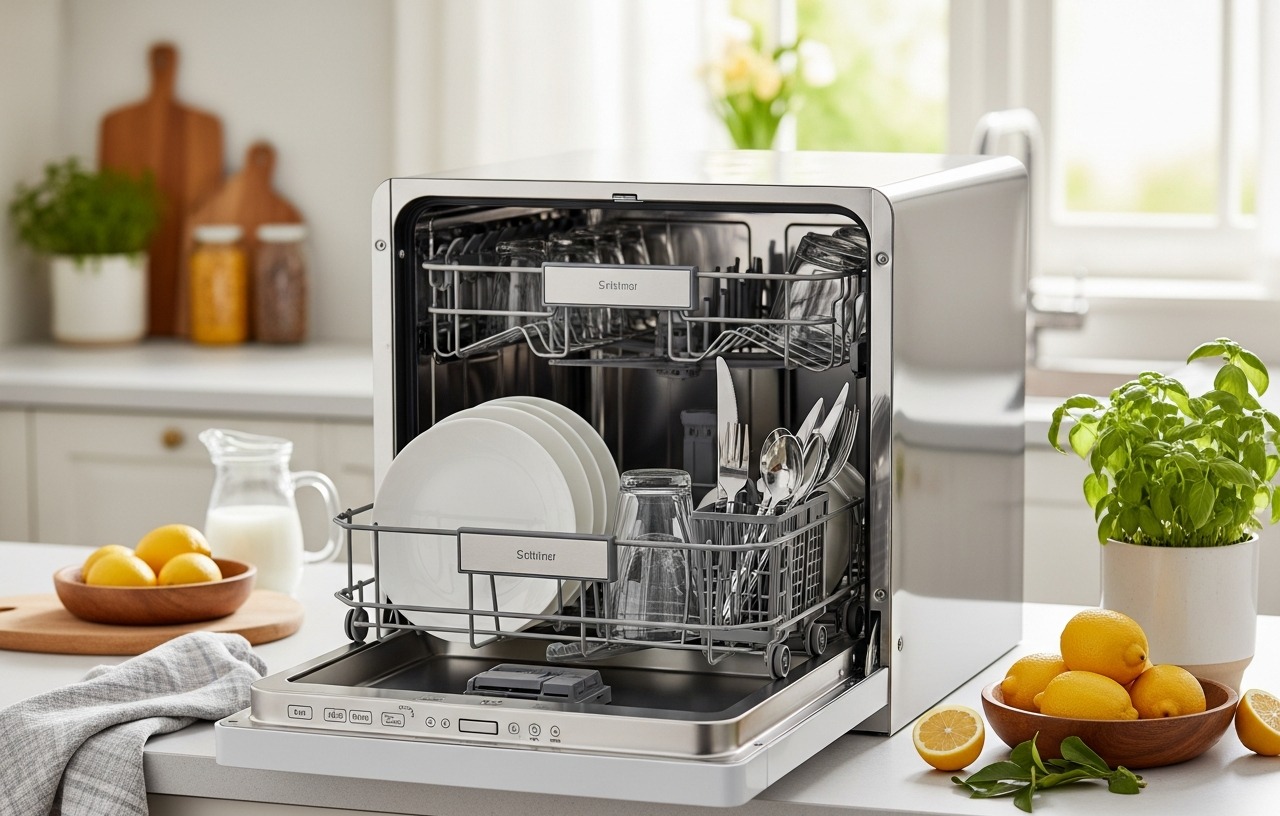
Basic countertop dishwashers usually cost between $200 and $250. These units typically offer standard wash cycles, a compact interior that fits two to four place settings, and a simple control panel. They are often made with more plastic components and may have fewer advanced features like delayed start or specialized wash options.
These entry-level models are best for individuals or couples who need occasional dishwashing help and prioritize affordability over advanced functionality or quiet operation. They fulfill the primary need for automated dish cleaning effectively.
Mid-Range Options ($250 - $450)
In the $250 to $450 price bracket, you will find a broader selection of countertop dishwashers. These models often feature improved stainless steel interiors, offer five to six place settings, and include more wash programs like eco-mode, heavy wash, or glass care. Many also incorporate enhanced drying cycles and slightly quieter operation compared to their entry-level counterparts.
Mid-range units balance cost with features, providing better energy efficiency and more robust construction. They suit small families or those who use their dishwasher frequently and appreciate a wider range of cleaning options.
Premium Countertop Dishwashers ($450 - $600+)
Countertop dishwashers priced at $450 and above represent the premium segment. These appliances often boast advanced features such as sensor wash technology, multiple spray arms, touch controls, and extremely quiet operation (often below 50 dB). Some high end models may even offer smart connectivity for remote monitoring or specialized sanitization cycles.
These premium models are designed for users who desire the best performance, durability, and convenience. They are an investment in a more sophisticated appliance, often from well known brands that prioritize innovative design and user experience. While the initial cost is higher, these units often have longer lifespans and better energy ratings.
Ongoing Operating Costs
Beyond the purchase price, you must consider the costs of running a countertop dishwasher. These include electricity, water, and consumables like detergent and rinse aid. While compact, these appliances still draw resources.
Electricity Consumption
Countertop dishwashers typically use between 0.5 to 1.5 kWh of electricity per cycle, depending on the model and selected wash program. Assuming an average of 1 kWh per cycle and an electricity rate of $0.15 per kWh, running a dishwasher daily would cost about $4.50 per month. This figure can fluctuate based on local utility rates and how often you run the machine.
Water Usage
These compact units are quite water-efficient. Most countertop dishwashers use between 2 and 4 gallons of water per cycle. In comparison, handwashing a similar load of dishes can use upwards of 8 to 15 gallons. At an average water cost of $0.005 per gallon, running a dishwasher daily might add $3 to $6 to your monthly water bill. This is a conservative estimate and varies by local water rates and usage habits.
Detergent and Rinse Aid
Detergent pods or liquid cost approximately $0.15 to $0.30 per load. Rinse aid, which helps prevent spots and improve drying, adds another $0.05 to $0.10 per load. If you run your dishwasher daily, these consumables could add $6 to $12 per month. Bulk purchasing of detergents can help reduce this cost.
Installation Costs: DIY vs. Professional
One of the appealing aspects of countertop dishwashers is their relatively simple installation. Most models connect directly to your kitchen faucet, making professional installation often unnecessary. However, knowing your options is still valuable.
DIY Installation
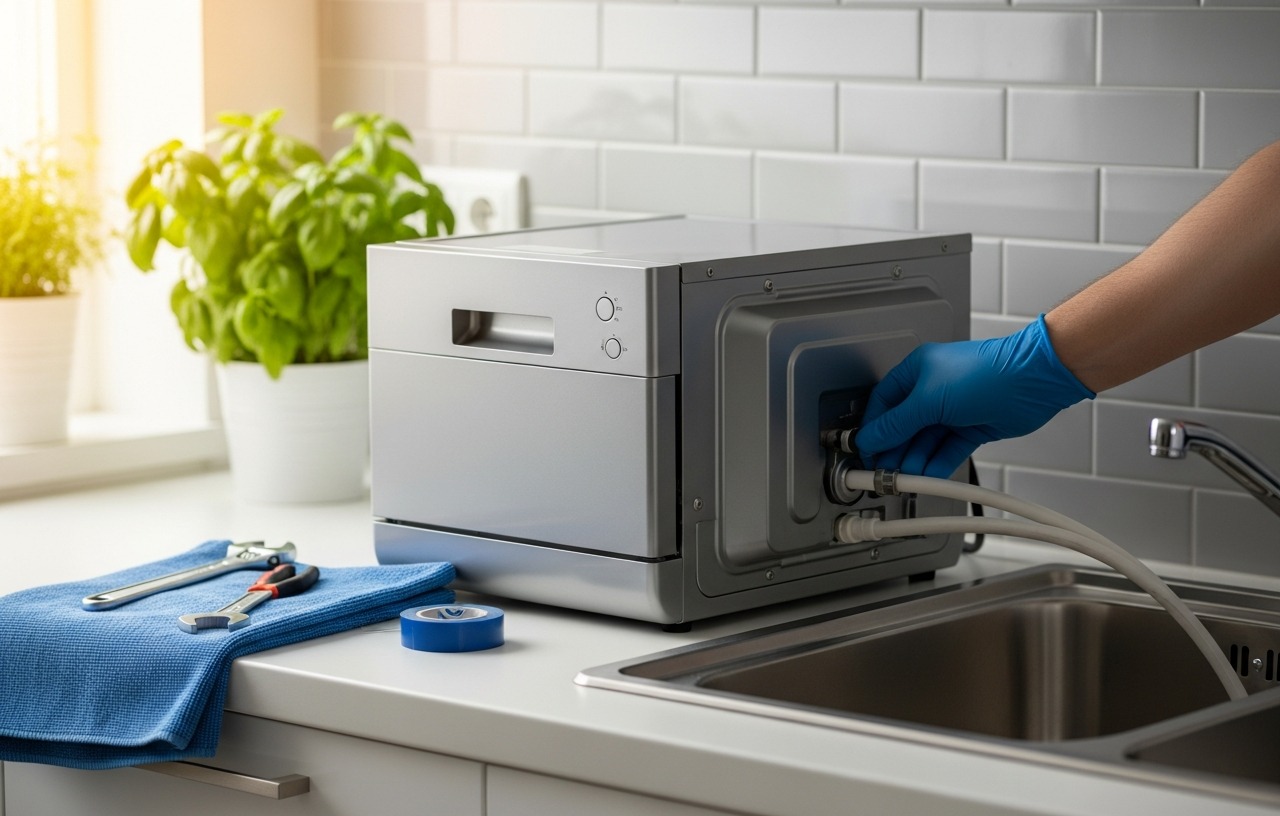
The vast majority of countertop dishwashers are designed for DIY installation. They come with a quick-connect adapter that attaches to most standard kitchen faucets. This process usually involves screwing the adapter onto the faucet, connecting the water intake hose, and placing the drain hose into the sink. The entire setup takes 10 to 20 minutes and requires no special tools beyond what might be included with the unit, such as a small wrench for the faucet adapter. The cost for DIY installation is essentially zero, saving you money compared to hiring a professional.
For more detailed guidance, consider reviewing articles on how to install these appliances yourself.
DIY Guide: How to Install a Countertop Dishwasher
Professional Installation
While not typically required, you might opt for professional installation if you are uncomfortable with plumbing connections or if your faucet requires a specialized adapter not included with the dishwasher. A handyman or plumber can perform this task, usually charging $100 to $300 for the service. This cost includes their labor and potentially minor parts if your faucet setup is unusual. It is an optional expense for most countertop dishwasher owners.
Countertop Dishwasher Repair Costs: A Practical Scenario
Like any appliance, countertop dishwashers can experience issues that require repair. The cost of repair depends heavily on the specific part that fails, whether you choose to fix it yourself, and if professional labor is needed. Parts can range from $15 to $200, while professional labor typically adds $75 to $150 per hour, plus a service call fee of $50 to $100.
Common Problem: The Drainage Pump Fails
A frequent issue with dishwashers, including countertop models, is a failing drainage pump. When the pump stops working, water will not drain out of the unit after a wash cycle, leaving a pool of dirty water at the bottom. This is a clear indicator that the pump may need replacement.
Part Cost: Drainage Pump
The cost of a replacement drainage pump for a countertop dishwasher varies. You can often find generic or aftermarket pumps online for $30 to $70. Purchasing a brand-specific pump from an appliance parts store or the manufacturer might cost $50 to $120. Checking the specific model number of your dishwasher is important to find a compatible part.
DIY Repair vs. Technician Cost
If you are comfortable with basic appliance repair, replacing a drainage pump can be a DIY project. The process usually involves disconnecting the dishwasher, tipping it or laying it on its side, accessing the pump from the bottom, disconnecting wires and hoses, and installing the new pump. This often requires only a screwdriver and possibly a pair of pliers. A confident DIYer can complete this in one to two hours, saving significant labor costs.
The financial benefit of DIY is substantial: you only pay for the part, which is $30 to $120. However, there is a risk of water leaks if connections are not secured properly, or further damage if you are unfamiliar with electrical components. If the dishwasher is still under warranty, attempting a DIY repair might void it.
Hiring a professional appliance technician to replace a drainage pump will be more expensive. A technician typically charges a service call fee of $50 to $100 just to come to your home. On top of that, labor rates usually range from $75 to $150 per hour. For a drainage pump replacement, which might take one to two hours, the total professional repair cost could be $200 to $400, including the part and labor. This cost makes sense if you lack the tools, confidence, or time for DIY, or if the repair involves complex electrical work beyond a simple pump swap.
Other Potential Repairs
Other components that might fail include the heating element, which ensures proper water temperature for cleaning and drying. A replacement heating element typically costs $40 to $100 for the part. A faulty spray arm, which distributes water, might cost $15 to $40 to replace. The control board, while less common, is a more expensive part at $80 to $200. Each of these repairs follows a similar DIY versus professional cost logic, where professional service significantly increases the total expense due to labor and service fees.
When to Repair vs. Replace Your Countertop Dishwasher
Deciding whether to repair or replace a countertop dishwasher often comes down to the unit's age, the cost of the repair, and the price of a new appliance. Countertop dishwashers typically have a lifespan of five to ten years. If your unit is approaching the higher end of this range, or if the repair cost is substantial, replacement might be the more economical choice.
A good rule of thumb is to consider replacing the unit if the repair cost exceeds 50% of the price of a comparable new model. For instance, if a new mid-range dishwasher costs $350, and a professional repair quote is $250, replacing the unit might be a better long term investment. For insights into the overall value, it helps to understand the benefits these appliances offer.
Are Countertop Dishwashers Worth It? We Ran the Numbers
Maximizing Value and Minimizing Costs
To extend the life of your countertop dishwasher and minimize repair expenses, regular maintenance is important. This includes routinely cleaning the filter, wiping down the interior, and running a cleaning cycle with a dishwasher cleaner. Proper care can prevent common issues like clogged spray arms or drainage problems. Choosing an energy-efficient model from the outset also helps keep operating costs lower over the appliance's lifespan.
Understanding the full cost of owning a countertop dishwasher, from initial purchase to potential repairs, allows for informed decisions. While the upfront investment is modest, ongoing operational expenses and the occasional repair should be factored into your budget. Balancing DIY repairs with professional service can save money, but always consider the complexity of the task and the appliance's age.