The Essential Role of Compact Appliances in RV Life
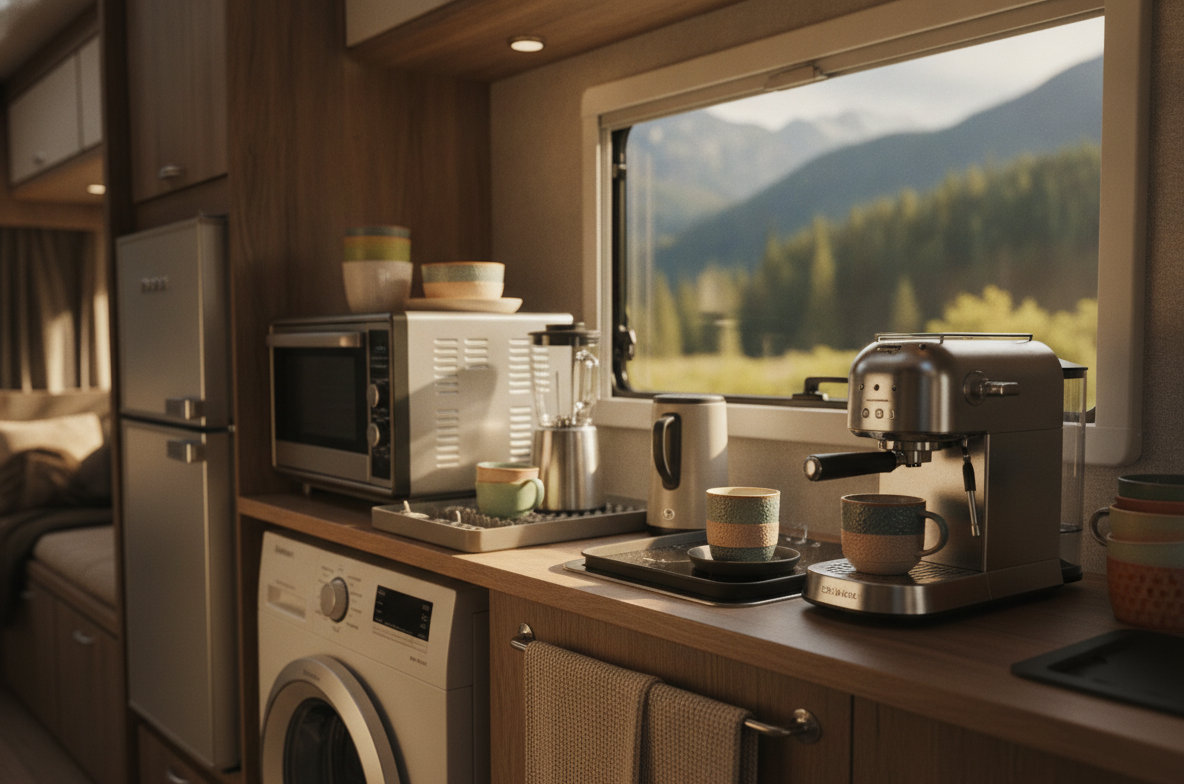
Recreational vehicles (RVs) typically offer 100 to 400 square feet of living space, making every inch valuable for comfort and function. Full-sized home appliances are often impractical or impossible to install within these constraints. Compact appliances, designed for smaller footprints, offer a practical solution, bringing essential conveniences of a traditional home into the mobile environment.
Integrating these smaller units allows RVers to maintain a higher quality of life on the road. This means less reliance on laundromats, fewer trips to grocery stores, and the ability to prepare more complex meals. Understanding the specific benefits helps RV owners make informed choices for their mobile homes.
Space Efficiency: Maximizing Limited Footprints
Space is the most obvious and critical consideration in any RV. Compact appliances are engineered with reduced dimensions to fit into tight quarters, under counters, or within dedicated compartments. A standard 18-inch wide countertop dishwasher, for example, occupies a fraction of the space of a traditional 24-inch model, yet still handles 6 place settings. A mini fridge, often under 20 inches wide and 3 cubic feet in capacity, fits into small galleys or living areas where a full-size refrigerator would be impossible.
The design often prioritizes vertical stacking or multi-functionality. Some portable washing machines can also spin dry small loads, combining two functions into one unit. This multi-purpose design saves space. The ability to store an appliance when not in use, such as a portable ice maker, further enhances spatial flexibility. These units typically measure around 10 x 15 x 13 inches, easily tucking into a cabinet.
Energy Conservation: Powering Off-Grid Adventures
RV power systems, especially for those who dry camp or boondock, operate on limited battery reserves, solar input, or generator run times. Compact appliances are specifically designed to consume less power than their full-sized counterparts. A typical mini fridge draws between 50 and 100 watts, while a full-sized residential refrigerator can pull 300 to 800 watts when running.
Portable washing machines, particularly those without integrated heaters, use minimal electricity, often under 200 watts per wash cycle. Countertop ice makers usually draw between 100 and 150 watts during operation. This reduced power demand helps extend battery life, lessens the need for frequent generator use, and makes solar power more effective for sustaining daily operations. Lower energy consumption also translates to reduced fuel costs for generator use, contributing to overall savings.
Water Efficiency: Managing Finite Resources
Freshwater tanks in RVs have finite capacities, typically ranging from 20 to 100 gallons. Gray water tanks, for used water, also have limits. Many compact appliances are designed with water conservation in mind. Countertop dishwashers, for instance, often use 2.5 to 4 gallons of water per cycle, significantly less than the 8 to 15 gallons a full-size dishwasher might use. Handwashing dishes can sometimes use more water if not done carefully.
Portable washing machines, especially smaller models, can operate with as little as 3-5 gallons of water per load. This stands in stark contrast to traditional washing machines which can use 20 gallons or more. By minimizing water consumption, RVers can extend the time between refilling freshwater tanks and emptying gray water tanks, allowing for longer, more self-sufficient trips.
To learn more about portable washing machines for RVs, visit: The Best Portable Washing Machines for RV Living & Camping
Portability and Flexibility: Appliances on the Move
Many compact appliances are inherently portable, a significant advantage in the dynamic RV environment. A countertop ice maker, weighing 20-30 pounds, can be easily moved from the kitchen counter to an outdoor picnic table or stored away when not needed. Portable washing machines, often on casters, can be rolled into a shower stall for drainage or stored in a closet. This mobility allows RVers to adapt their living space based on current needs.
This flexibility also extends to placement within the RV. Unlike built-in appliances, portable units do not require permanent installation or dedicated cabinetry. They can be plugged into any available outlet, offering freedom in layout and design. This is particularly useful for RVers who frequently reconfigure their interior space or host guests.
cost effectiveness: Smart Spending on the Road
The initial purchase price of compact appliances is generally lower than their full-sized counterparts. A mini fridge typically costs between $100 and $300. A portable washing machine can range from $200 to $500. Countertop dishwashers usually fall in the $250 to $450 range. Countertop ice makers are often priced from $100 to $250. These lower upfront costs make outfitting an RV more accessible.
Beyond the purchase price, operational costs are also reduced. Lower energy and water consumption directly translate to savings on utilities and fuel. The reduced strain on the RV's electrical and plumbing systems also contributes to the longevity of the vehicle's infrastructure, avoiding potentially expensive repairs.
For considerations on countertop dishwashers, read: Are Countertop Dishwashers Worth It? We Ran the Numbers
Enhanced Lifestyle and Convenience
The core benefit of compact appliances in an RV is the significant enhancement of the lifestyle they offer. Having a portable ice maker means fresh ice for drinks without needing to find a store or constantly refill ice trays. A mini fridge provides extra cold storage for drinks or specific food items, reducing trips to the main RV refrigerator. A countertop dishwasher saves time and effort on daily chores, freeing up more time for recreation and exploration.
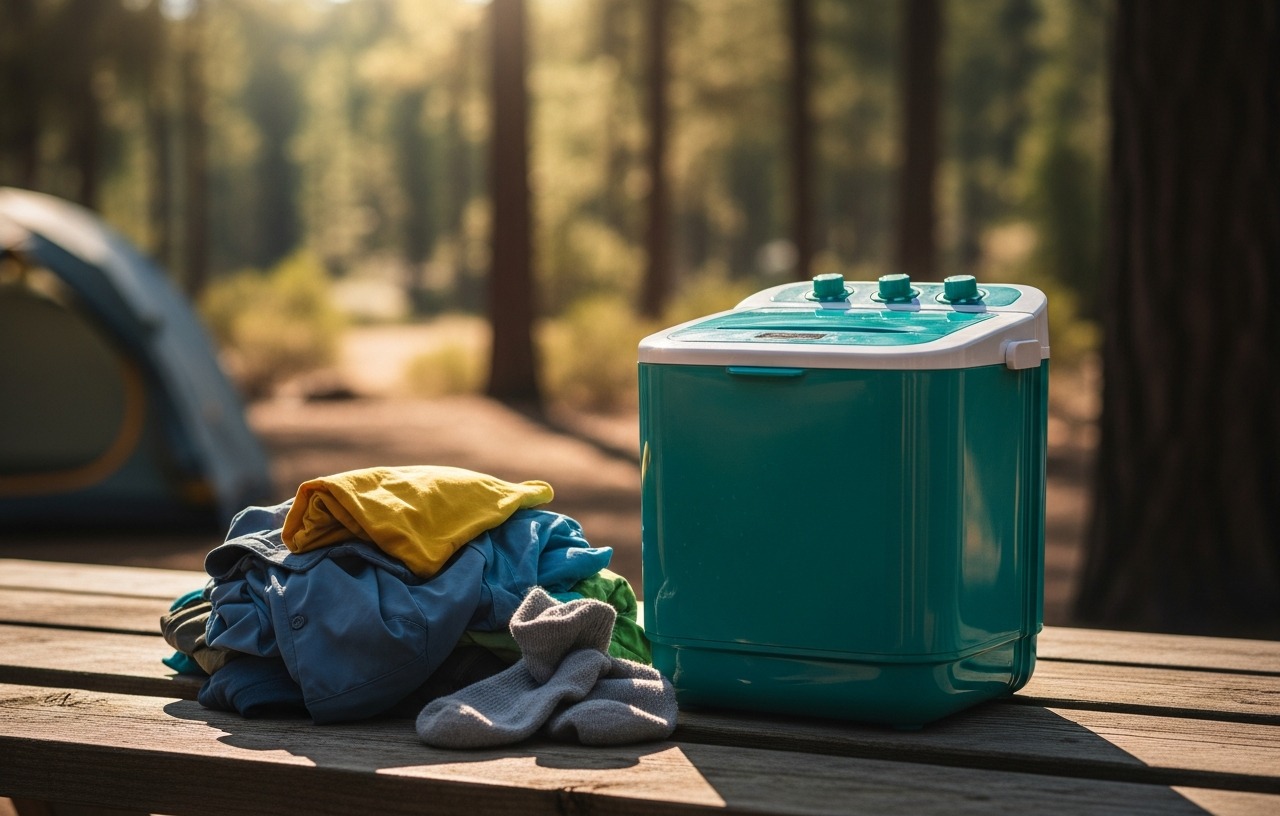
Portable washing machines remove the dependency on laundromats, which can be inconvenient, costly, and scarce in remote locations. This allows RVers to do laundry at their convenience, often within the comfort of their own space. These appliances contribute to a more self-sufficient and comfortable RV experience, making the mobile lifestyle feel more like home.
Specific Appliance Benefits for RVs
Mini Fridges
Mini fridges are indispensable for RVs, serving as supplemental storage or a primary cooling unit in smaller setups. They are available in capacities typically from 1.6 to 4.5 cubic feet. Many models feature reversible doors and adjustable shelves, allowing for customization within a confined space. Their low power draw (often 0.5 to 1.5 kWh per day) makes them suitable for battery-powered systems. Some even offer 12V DC compatibility for direct connection to an RV's power system.
Portable Washing Machines
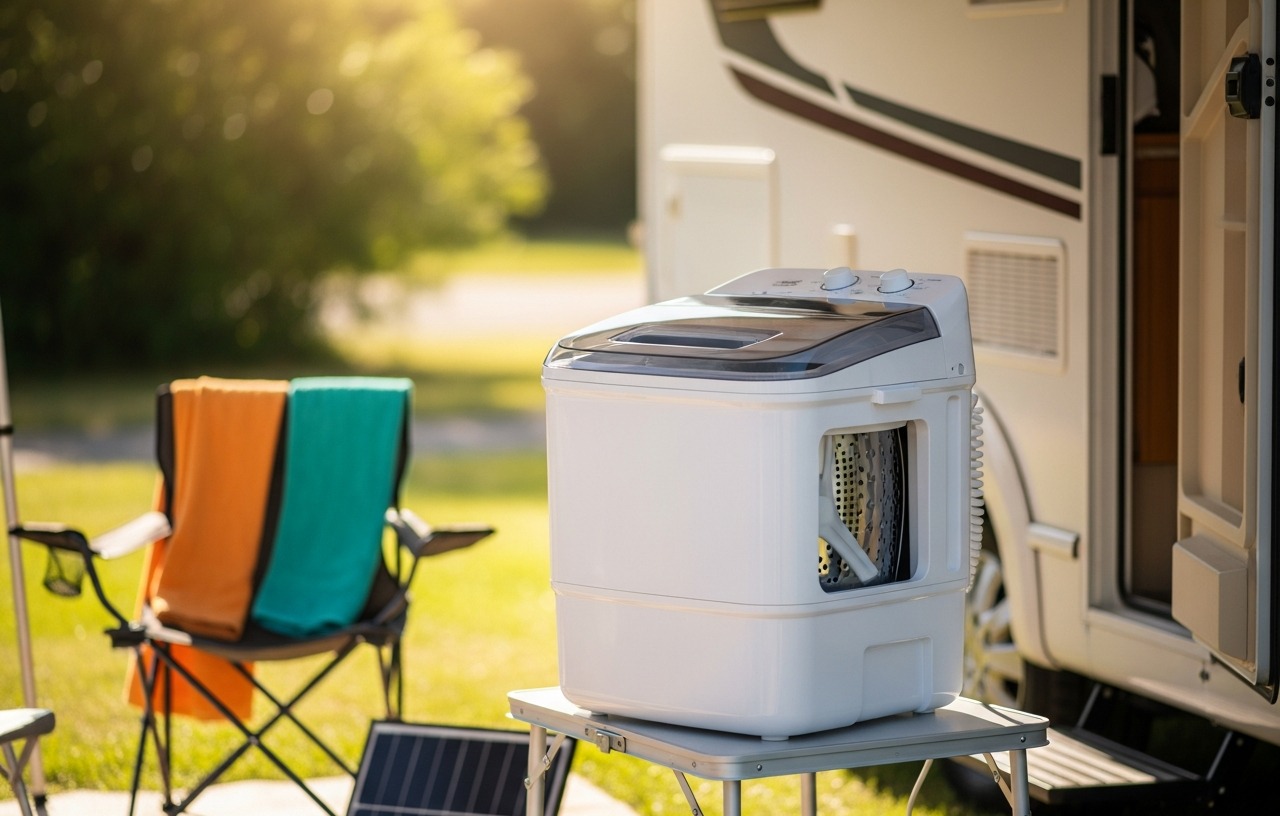
These units come in various forms, from manual hand-crank models to semi-automatic and fully automatic electric versions. Capacities range from 5 to 12 pounds, suitable for small loads like a few shirts and socks. Electric models require a standard 120V outlet and a water source, typically a sink faucet. Their compact size (e.g., 20 x 20 x 30 inches) and often lightweight construction (under 50 pounds) make them easy to move and store. Spin-dry functions can remove up to 80% of water, reducing drying time.
Countertop Dishwashers
Countertop dishwashers typically hold 4 to 6 place settings and connect to a kitchen faucet for water supply and drainage. They are ideal for RVs without space for built-in dishwashers. These units measure around 17 x 22 x 20 inches. They use heated water for effective cleaning and can significantly reduce the amount of time spent on dishwashing, a chore that quickly consumes valuable water and time in an RV.
Countertop Ice Makers
A countertop ice maker produces ice quickly, often a first batch in 6 to 9 minutes, and can generate 26 to 36 pounds of ice per day. This eliminates the need to buy bagged ice or rely on tiny RV freezer ice trays. They require minimal counter space and a standard 120V outlet. Many models recirculate melted ice, minimizing water waste and making them efficient additions to an RV kitchen.
Installation and Maintenance Considerations
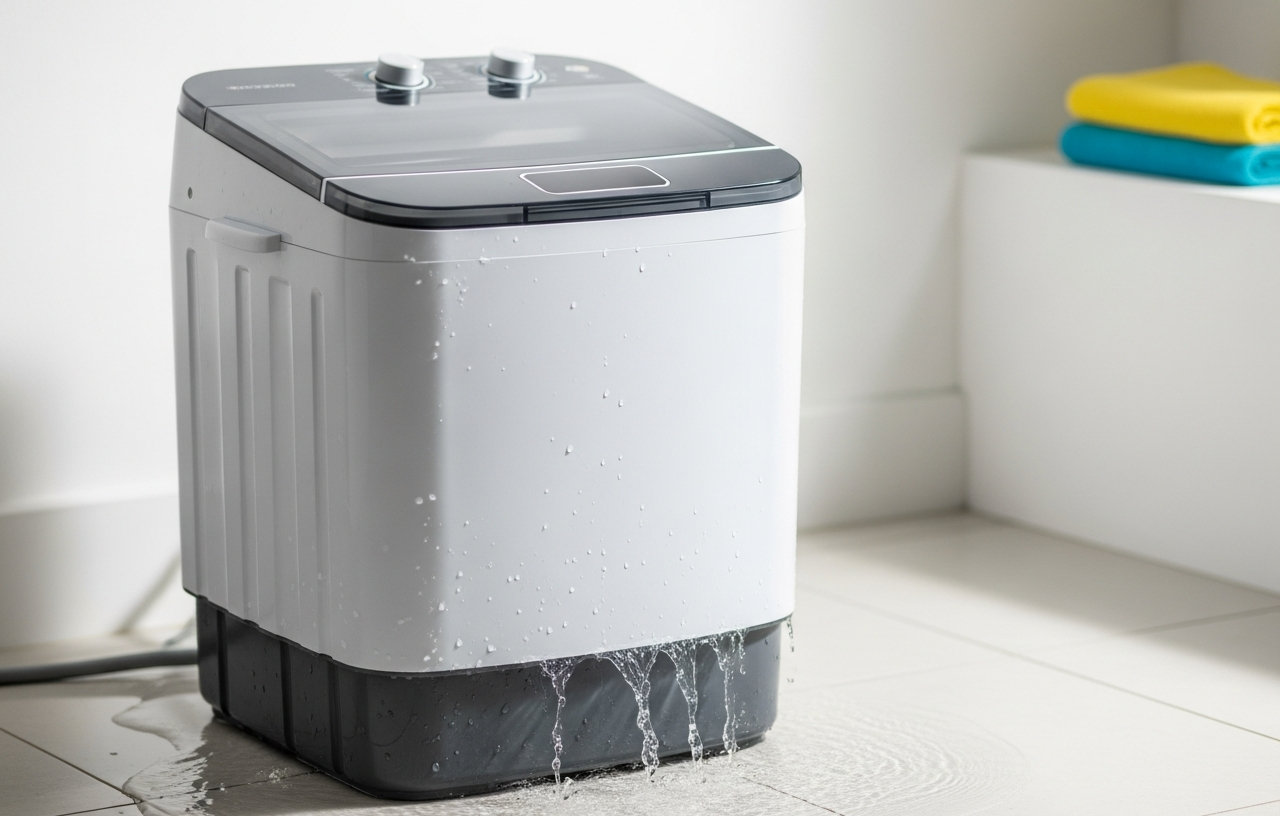
While compact appliances offer convenience, proper integration into an RV requires attention. Make sure electrical circuits can handle the appliance's wattage, especially when running multiple devices. For water-using appliances, make sure connections are secure to prevent leaks, which can cause significant damage in an RV. Regular cleaning and maintenance, such as defrosting a mini fridge or descaling an ice maker, extend the lifespan of these units.
Many compact appliances are designed for easy setup. Portable washing machines often include quick-connect adapters for faucets. Countertop dishwashers typically connect similarly. Following manufacturer instructions for installation and ongoing care helps maximize the benefits and avoid common issues.
Conclusion
Compact appliances are more than just smaller versions of household items for RV living. They are integral to optimizing space, conserving precious resources like power and water, and enhancing the overall comfort and convenience of life on the road. By carefully selecting and integrating these units, RV owners can enjoy a higher degree of self-sufficiency and comfort, making their mobile homes truly feel like home.