Portable Ice Maker Making Small, Soft Ice? Diagnose the Problem
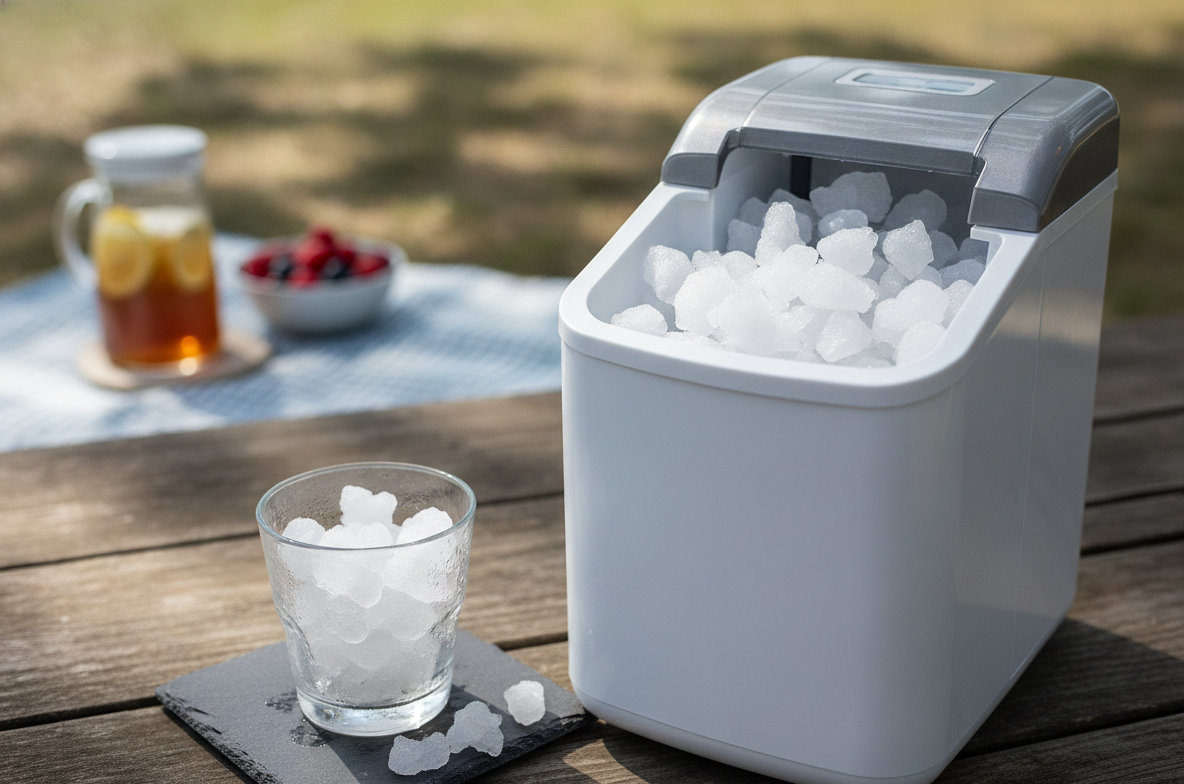
Most portable ice makers produce ice in cycles, freezing water onto a cold plate to form solid cubes. When these machines start making small, soft, or even hollow ice, it signals a problem with the freezing process. This issue commonly stems from three main areas: the water itself, mineral accumulation within the machine, or a fault in the cooling system. Identifying the exact cause helps determine the most effective solution.
Many portable units are designed for convenience and quick ice production, typically making their first batch in 6 to 10 minutes. When ice quality declines, it impacts the usability of the appliance. A systematic approach to diagnosis can save time and potential repair costs.
Cause 1: Water Temperature is Too Warm
The temperature of the water you add to your portable ice maker directly affects the quality and consistency of the ice it produces. If the water is too warm, the machine has to work harder and longer to freeze it. This extra effort can result in less dense, smaller, and softer ice cubes because the freezing cycle may terminate before the water is fully solidified.
Portable ice makers are not designed to chill water from room temperature quickly. They rely on the water already being somewhat cool to efficiently create ice. Using water straight from the tap, especially during warmer months, can easily exceed the ideal input temperature.
Quick Test: Check Water Temperature
To test this, empty any existing water from the reservoir. Add cold, pre-chilled water to the ice maker. You can use water that has been in your refrigerator for at least an hour. Run the ice maker for a few cycles. Observe the ice quality. If the ice becomes firmer, larger, and more solid, then warm input water was likely the problem.
Repair Cost or Solution
This issue requires no repair. The solution is simple: always use cold, filtered water in your portable ice maker. Keep a pitcher of water in your refrigerator specifically for this purpose. This small change can significantly improve ice quality and reduce strain on your machine.
Cause 2: Mineral Buildup and Cleaning Issues
Hard water contains dissolved minerals like calcium and magnesium. Over time, these minerals can accumulate inside your ice maker's water lines, pump, and freezing plate. This mineral scale, also known as limescale, can obstruct the flow of water and reduce the efficiency of the freezing components. When water flow is restricted, the ice maker may not deliver enough water to the freezing plate, leading to smaller cubes. If the freezing plate is insulated by a layer of scale, it cannot transfer cold effectively, resulting in soft or slushy ice.
Regular cleaning is essential for all portable ice makers, especially if you live in an area with hard water. Neglecting routine maintenance allows these deposits to form, diminishing performance.
Quick Test: Inspect and Clean
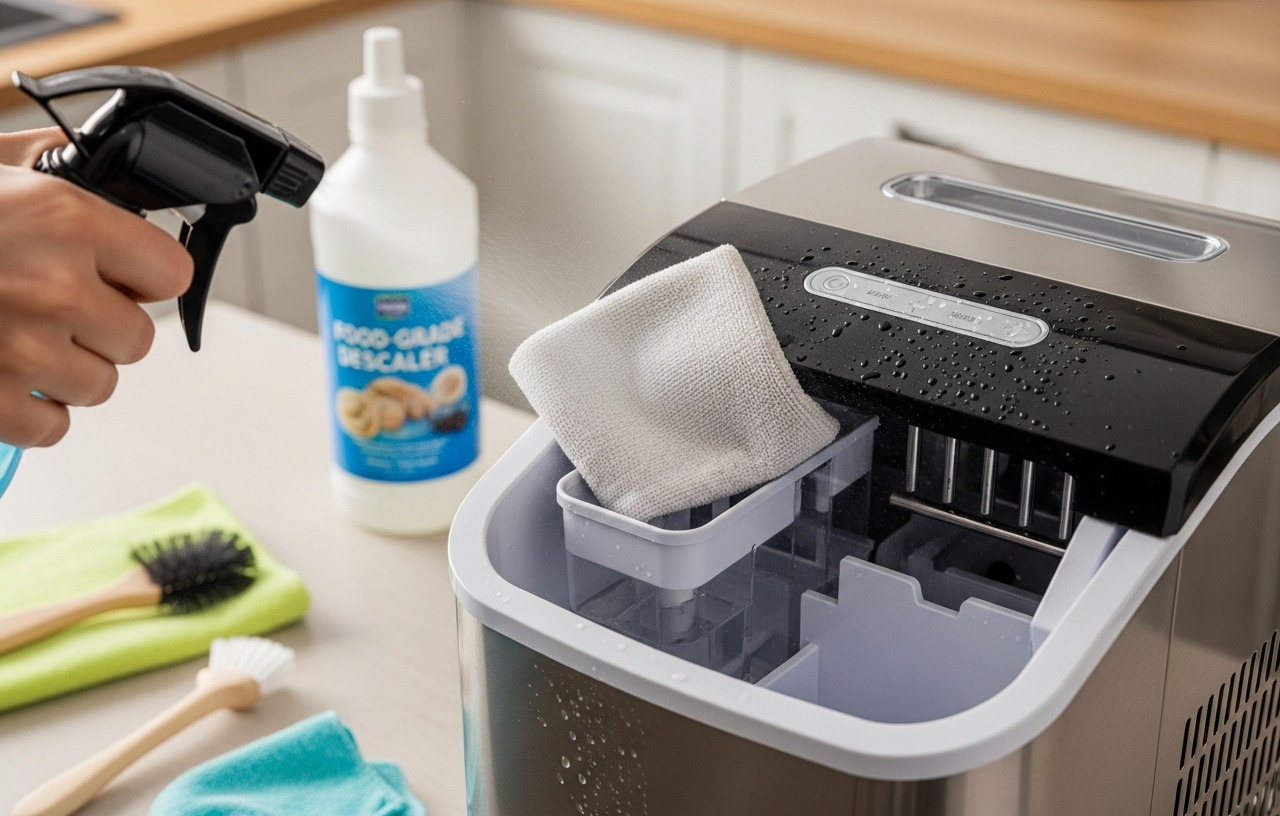
First, unplug your ice maker. Visually inspect the water reservoir, the water tray, and especially the small nozzles or spray arms that distribute water over the freezing rods. Look for white, chalky deposits. If you see scale, it is a strong indicator of a cleaning problem. Next, perform a thorough cleaning cycle. Many portable ice makers have a self-clean function. If not, you can manually clean it.
To manually clean:
- Unplug the unit and drain all water.
- Mix a solution of equal parts white vinegar and water, or use a descaling solution specifically designed for ice makers.
- Pour the solution into the water reservoir.
- Run the ice maker for one or two cycles (without expecting edible ice). This circulates the cleaning solution.
- Drain the solution completely and rinse the reservoir thoroughly with clean water multiple times to remove any vinegar residue.
- Run a few cycles with fresh, clean water, discarding the first few batches of ice, before making ice for consumption.
Repair Cost or Solution
The solution here is regular maintenance. There is no repair cost beyond the cost of cleaning supplies. A bottle of white vinegar costs a few dollars. Commercial ice maker cleaning solutions typically range from $10 to $20. Cleaning your ice maker every 1-2 months, or more frequently with very hard water, can prevent this issue. Refer to your owner's manual for specific cleaning instructions for your model.
For detailed cleaning steps, you can refer to our guide: How to Clean a Countertop Ice Maker (step by step)
Cause 3: Cooling System Malfunction (Compressor or Refrigerant)
The cooling system, comprising the compressor and refrigerant, is the heart of your ice maker. It is responsible for making the freezing plate cold enough to solidify water. If the compressor is failing or if there is a refrigerant leak, the freezing plate will not reach its optimal low temperature. This results in slow freezing, incomplete freezing, and consequently, small, soft, or hollow ice cubes that melt quickly.
Refrigerant leaks are uncommon in new units but can occur over time due to wear or damage. A failing compressor might still run but cannot achieve the necessary cooling power.
Quick Test: Feel the Freezing Plate and Listen
Unplug the ice maker and ensure it is completely empty. Plug it back in and turn it on. Listen for the compressor. It should make a consistent, low humming sound. After a few minutes, carefully feel the metal freezing rods or plate inside the unit (where the ice forms). These should become very cold, almost instantly. If they remain only slightly cool, or if the compressor makes unusual noises (loud grinding, clicking, or no sound at all), it suggests a cooling system problem.
Another indicator is the exhaust fan. Most portable ice makers have a fan that expels warm air. If the fan is running but the ice maker is not cooling, it points to the compressor or refrigerant.
Repair Cost or Solution
Diagnosing and repairing a compressor issue or a refrigerant leak typically requires a professional appliance technician. The cost for these repairs can be substantial. A compressor replacement might range from $150 to $250, plus labor. A refrigerant leak detection and recharge could cost between $100 and $200. Given that many portable ice makers cost between $100 and $250 new, professional repair often exceeds the cost of purchasing a new unit. For units under $200, replacement is usually the more economical choice.
Consider the age and initial cost of your unit when deciding on repair versus replacement. Most portable ice makers have a lifespan of 3-5 years. If your unit is older and experiencing cooling system failure, a new one might be a better investment.
Other Potential, Less Common Causes
While the three causes above cover most cases of small, soft ice, a few other issues can contribute to the problem.
Poor Ventilation
Portable ice makers generate heat as they operate. They have vents, usually on the sides or back, to release this warm air. If these vents are blocked, perhaps by being placed too close to a wall or other appliances, the internal components can overheat. This reduces cooling efficiency and can lead to softer ice. Make sure your ice maker has at least 4-6 inches of clear space around its vents.
Faulty Water Level Sensor
The water level sensor tells the machine when to pump water and when the reservoir is full. If this sensor is faulty, it might signal insufficient water, causing the machine to start freezing with too little water on the plate, resulting in smaller, incomplete cubes. This is less common but can be a factor if other diagnoses fail. A faulty sensor typically requires professional service or replacement.
Environmental Temperature
Operating your portable ice maker in a very warm room, such as a hot garage or outdoors on a summer day, can impact its performance. The machine struggles to dissipate heat and maintain the low internal temperatures needed for solid ice. Always use your ice maker in a cool, well-ventilated area.
Preventative Maintenance for Optimal Ice Quality
Preventing issues is easier and cheaper than fixing them. A few simple practices can keep your portable ice maker producing quality ice consistently.
- Use Cold, Filtered Water: Always start with pre-chilled water to minimize the machine's workload. Filtered water reduces mineral buildup.
- Regular Cleaning: Clean your ice maker at least once a month, or more often if you notice scale or slime. Use a vinegar solution or a commercial cleaner.
- Ensure Proper Ventilation: Place the ice maker on a stable, level surface with ample space around its air vents.
- Drain Between Uses: If you are not using the ice maker for an extended period, drain the reservoir completely and dry it to prevent mold and mildew growth.
- Defrost if Needed: While less common for portable units, excessive frost buildup on the freezing plate can hinder performance. If you see significant frost, unplug the unit and let it fully defrost.
By understanding these common issues and implementing regular maintenance, you can enjoy consistent, high quality ice from your portable ice maker for a long time.
For further information on potential ice maker problems, you might find our article helpful: Countertop Ice Maker Not Making Ice? 7 Fixes That Actually Work