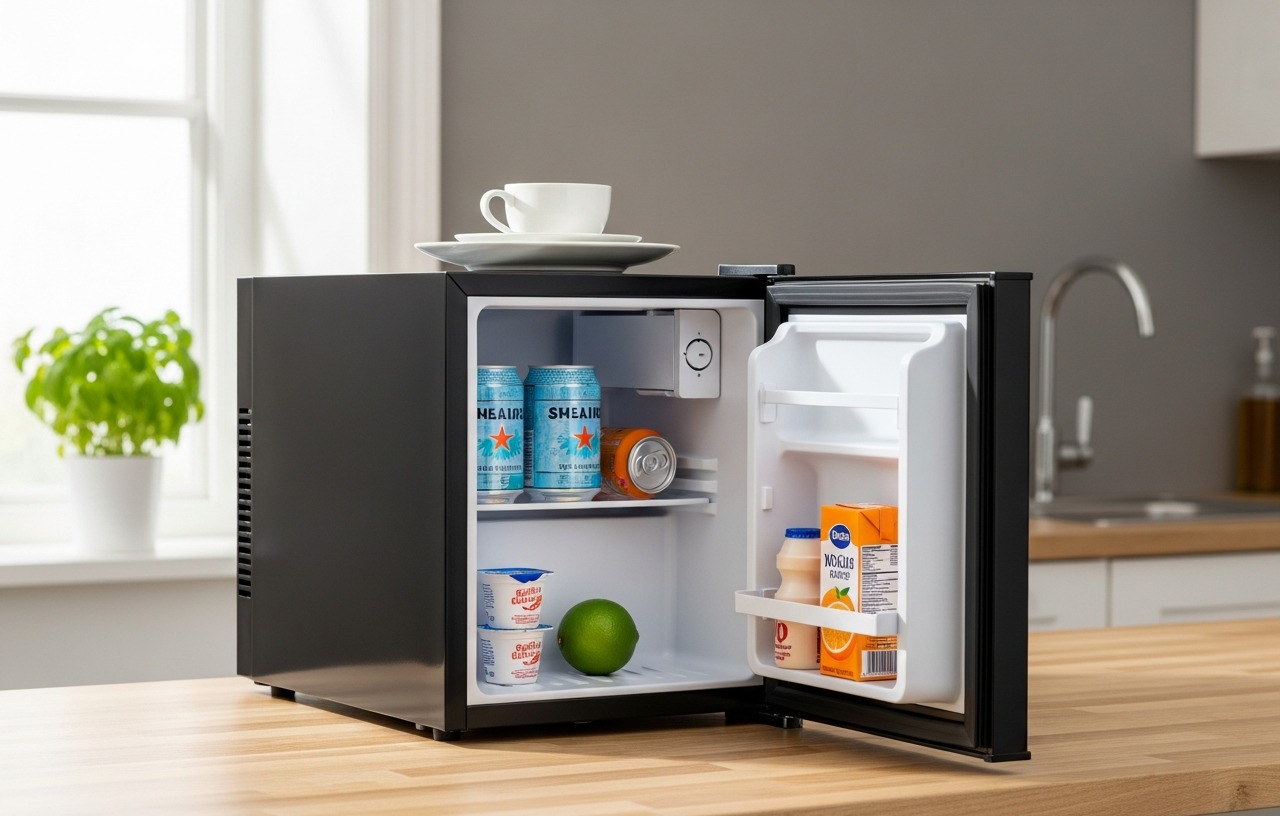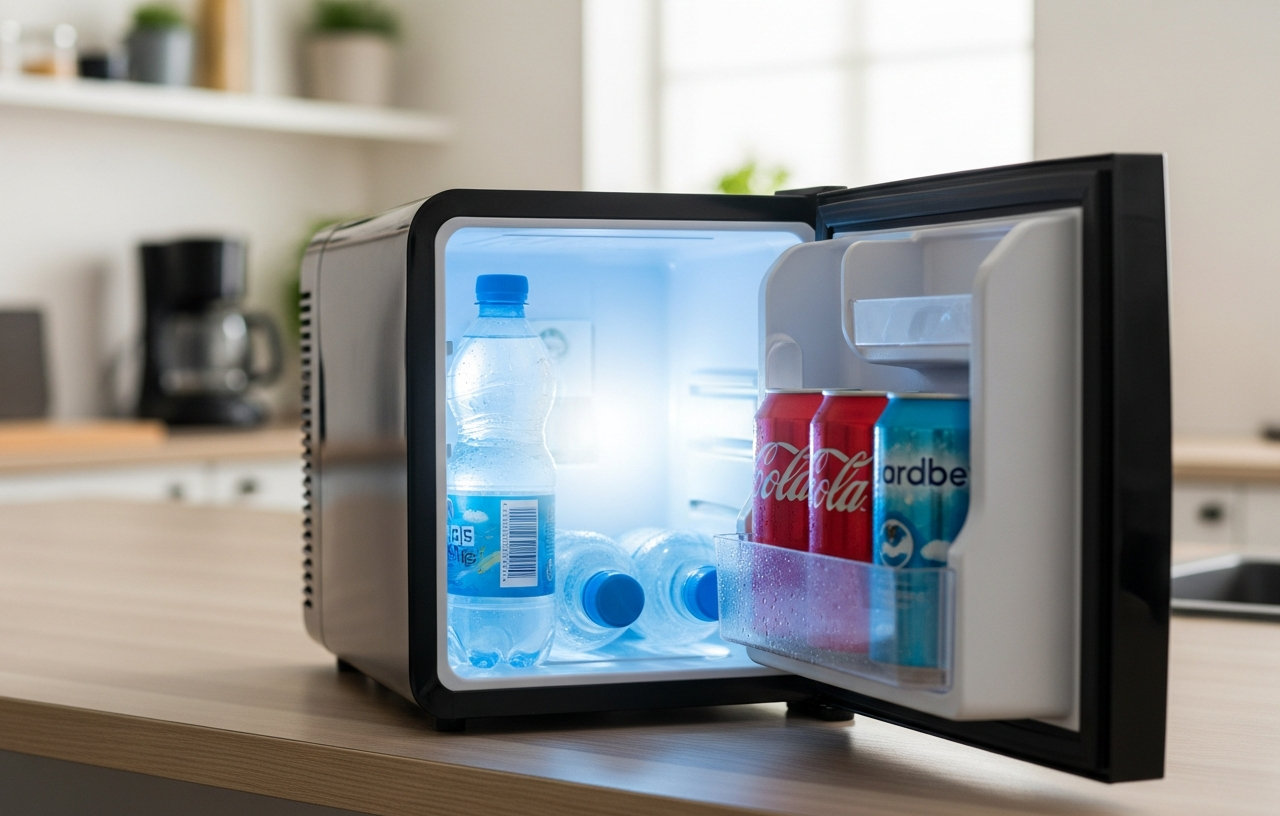
How Long Does a Mini Fridge Take to Get Cold?
Most mini fridges require 2 to 4 hours to reach a stable internal temperature between 35°F and 40°F (1.7°C and 4.4°C) after initial setup. This cooling period is essential for safe food and beverage storage. Factors such as the appliance's size, the ambient room temperature, and whether it was recently transported can extend this initial cool-down process. Understanding these variables helps set realistic expectations for your compact refrigeration unit.
Before plugging in your new mini fridge, several steps make sure it cools efficiently and operates correctly. Skipping these can lead to longer cooling times or even compressor damage.
Allowing Refrigerant to Settle After Transport
Many mini fridges are transported on their side or back. This can cause the compressor oil and refrigerant to shift from their proper positions. Plugging in the unit immediately can strain the compressor, potentially shortening its lifespan. It is best practice to allow the mini fridge to sit upright and unplugged for a minimum of 2 to 4 hours. If the unit was transported horizontally for an extended period, allowing it to rest for 24 hours before plugging it in is a safer approach. This allows all fluids to settle back into their correct places, preparing the system for optimal operation.
Choosing the Right Location
The placement of your mini fridge significantly impacts its cooling performance. Position the unit on a stable, level surface to make sure the compressor operates without undue stress and the door seals properly. Uneven surfaces can cause the door to not close completely, allowing cold air to escape.
Ensuring Adequate Ventilation
Mini fridges generate heat as they cool. This heat needs to dissipate effectively for the appliance to maintain its target temperature. Make sure there are at least 3 to 5 inches of clearance on all sides, especially the back and top, where the condenser coils are often located. Placing the fridge in an enclosed cabinet or directly against a wall without proper airflow will trap heat, forcing the compressor to work harder and increasing the time it takes to get cold. This can also lead to higher energy consumption and reduced efficiency.
Factors Influencing How Long a Mini Fridge Takes to Cool
Several variables determine the exact time it takes for a mini fridge to reach its operating temperature. These factors interact, meaning a combination of challenging conditions can significantly prolong the cooling process.
Size and Capacity of the Unit
Larger mini fridges, such as a 4.5 cubic foot model, have more internal volume to cool compared to a smaller 1.6 cubic foot personal fridge. More air volume requires more work from the compressor, extending the initial cool-down period. A smaller dorm-style fridge might reach temperature in 2 hours, while a larger compact refrigerator could take up to 6 hours.
Ambient Room Temperature
The temperature of the room where the mini fridge is located is a major factor. If the room is warm, for example, 90°F (32°C), the fridge will work harder and longer to dispel heat and cool its interior than if the room is at a standard 70°F (21°C). Placing a mini fridge in a hot garage or uninsulated shed will always result in slower cooling and less efficient operation.
Initial Contents and Load
An empty mini fridge will cool down faster than one loaded with room-temperature items. Each item placed inside acts as a heat sink, requiring energy to cool it down. For optimal initial cooling, plug in and cool the empty fridge first. Once it reaches its target temperature, then add pre-chilled items. Adding warm beverages or food immediately after plugging it in will add hours to the cooling process.
Compressor Type and Efficiency
Most mini fridges use a compressor-based cooling system, which is similar to full-sized refrigerators. These are generally efficient. Some very small or novelty mini fridges use thermoelectric cooling. Thermoelectric units are typically less powerful and take longer to cool, often struggling to achieve very low temperatures in warm environments. A standard compressor model will cool much faster than a thermoelectric model of similar size.
Door Seals and Insulation Quality
The integrity of the door seal and the quality of the insulation are critical. A compromised door seal allows cold air to escape and warm air to enter, making the compressor run constantly to maintain temperature. Poor insulation has a similar effect. Inspect the door gasket for any gaps or tears. A good seal makes sure the cold air stays inside, reducing the time it takes for a small fridge to get cold.
How to Confirm Your Mini Fridge is Cold Enough
Once your mini fridge has been running for a few hours, verifying its internal temperature is important for food safety. The recommended temperature range for refrigeration is between 35°F and 40°F (1.7°C and 4.4°C).
Using an Appliance Thermometer
The most accurate way to check the temperature is with a dedicated appliance thermometer. Place the thermometer inside the mini fridge, ideally in the middle shelf, and wait at least 30 minutes before checking the reading. This allows the thermometer to stabilize and provide an accurate measurement of the ambient air inside the unit. If the temperature is consistently within the 35-40°F range, your mini fridge is ready for use.
The Ice Test Method
A simple, though less precise, method is the ice test. Place a sealed bottle of water in the mini fridge. After several hours, check if the water is very cold, or if a thin layer of ice has started to form on the bottle. If the water is chilled to near freezing, the fridge is likely operating at a safe temperature. This method does not give an exact reading but provides a good indication of the cooling performance.
Tips for Maintaining Optimal Cooling and Efficiency
Once your mini fridge is set up and running, a few practices help it stay cold and run efficiently over time.
- Pre-chill Items: Whenever possible, cool beverages or food items in a larger refrigerator before transferring them to your mini fridge. This prevents the mini fridge from having to work extra hard to cool warm items.
- Do Not Overpack: Overfilling the mini fridge restricts airflow, preventing cold air from circulating evenly. This can create warm spots and make the compressor work harder. Aim for about 75-80% capacity.
- Limit Door Openings: Each time the door opens, cold air escapes and warm air enters, forcing the unit to re-cool. Be mindful of how often and how long you open the door.
- Regular Defrosting: Manual defrost mini fridges accumulate frost on the freezer plate or coils. A thick layer of frost acts as an insulator, hindering the cooling process. Defrost your mini fridge regularly, typically when frost buildup reaches about 1/4 inch thick.
- Clean Condenser Coils: On some models, especially those with visible coils at the back or bottom, dust and debris can accumulate. Clean these coils periodically with a vacuum cleaner brush attachment to make sure efficient heat dissipation.
Common Issues That Affect Mini Fridge Cooling Time
If your mini fridge is taking an unusually long time to get cold, or stops cooling effectively, several common issues could be at play. Identifying these problems can help you troubleshoot or decide if professional assistance is needed.
- Improper Placement: As mentioned, lack of ventilation or direct exposure to sunlight can drastically reduce cooling efficiency.
- Dirty Condenser Coils: Dust and pet hair on the condenser coils prevent heat from escaping, making the compressor less effective.
- Faulty Door Seal: A worn, torn, or improperly seated door gasket allows warm air to leak into the fridge. Test the seal by closing the door on a piece of paper; if it slides out easily, the seal is weak.
- Overloading: Packing too many items into the fridge at once or consistently overfilling it impedes cold air circulation.
- Thermostat Issues: A malfunctioning thermostat may not accurately read the internal temperature, causing the compressor to cycle incorrectly or not at all.
- Refrigerant Leaks: A leak in the sealed refrigeration system will cause the unit to lose its cooling capacity. This requires professional repair.
- Compressor Failure: If the compressor is not running or is making unusual noises but not cooling, it may have failed. This is often an expensive repair, sometimes making replacement more cost effective.
For more detailed troubleshooting, refer to our guide on common fixes for when a mini fridge is not cooling. Mini Fridge Not Cooling? Common Fixes & Repair Costs
Maintaining Your Mini Fridge for long term Performance
Regular maintenance extends the lifespan of your mini fridge and makes sure it continues to cool efficiently. Simple tasks can prevent many common cooling problems.
- Regular Cleaning: Wipe down the interior surfaces and shelves regularly to prevent odors and bacterial growth. Use a mild soap and water solution.
- Defrosting Schedule: For manual defrost models, make sure to defrost when frost buildup is noticeable, typically every 1-3 months depending on usage. This prevents ice from insulating the cooling elements.
- Door Seal Checks: Periodically inspect the door gasket for cracks, tears, or stiffness. Clean the seal with a damp cloth to remove any sticky residues that might prevent a tight close.
- Coil Cleaning: If your model has exposed condenser coils, make sure to clean them once or twice a year to remove dust.
- Temperature Monitoring: Use an appliance thermometer to periodically check that the internal temperature remains within the safe range.
Understanding how to properly defrost your mini fridge is a key part of this maintenance. How to Defrost Mini Fridge: Simple step by step
Conclusion
A new mini fridge typically takes 2 to 4 hours to get cold enough for safe use, though this can extend up to 6 hours or more depending on its size, the ambient room temperature, and whether it was recently moved. Proper initial setup, including allowing time for refrigerant to settle and making sure adequate ventilation, significantly impacts its performance. Consistent maintenance, such as regular defrosting and cleaning, helps your mini fridge run efficiently for years, providing reliable cooling for your beverages and snacks.