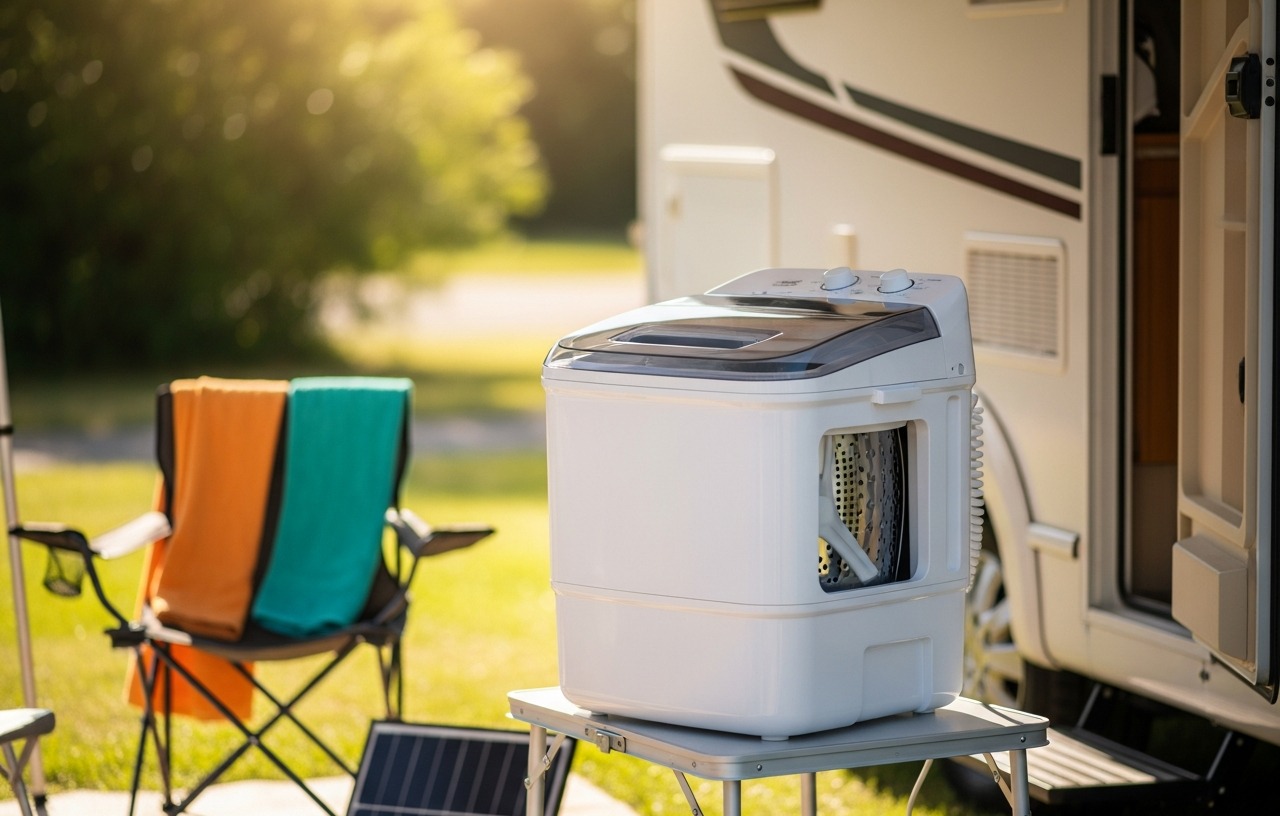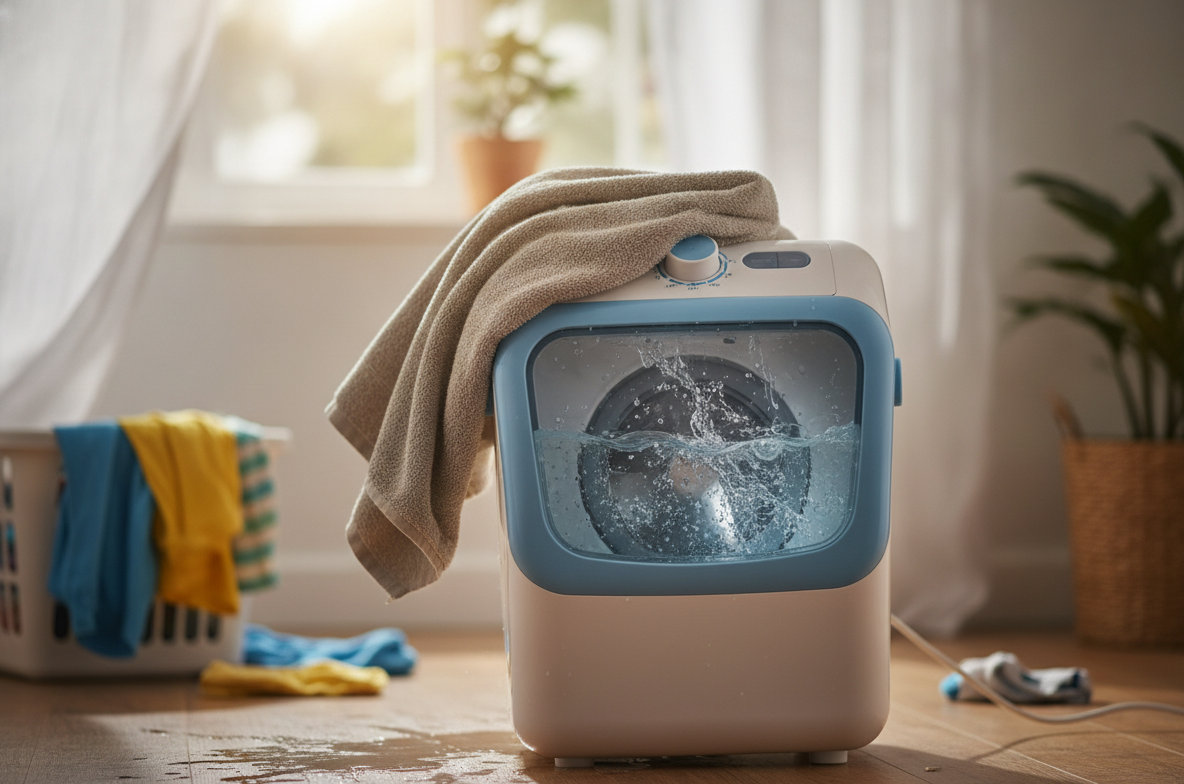
A portable washing machine that shakes violently during a spin cycle often indicates one of three problems: an uneven load, an unlevel machine, or a failing internal component. Identifying the specific issue saves time and prevents potential damage to your appliance or living space. Addressing excessive vibration quickly preserves the machine's lifespan and maintains a quieter laundry experience.
Many apartment dwellers, college students, and RV owners rely on these compact units. When they start to shake, the noise can become a major disturbance. Understanding the root cause helps determine whether you need a simple adjustment or a more involved repair.
Understanding Excessive Portable Washer Vibration
Portable washing machines, by their nature, are lighter and less robustly anchored than full-sized models. This makes them more susceptible to movement and vibration, especially during high-speed spin cycles. However, consistent, loud, or violent shaking is not normal. It signals an underlying issue that requires attention.
Ignoring persistent vibration can lead to several problems. The machine might “walk” across the floor, potentially damaging flooring or nearby furniture. Excessive stress on internal components can accelerate wear and tear, leading to costly repairs or premature machine failure. It can also strain water hoses and drain lines, creating a leak risk.
Cause 1: Uneven Laundry Load
The most frequent culprit behind a vibrating portable washing machine is an unevenly distributed laundry load. When clothes clump together on one side of the drum, especially heavy items like towels or jeans, the machine's balance is thrown off during the spin cycle. This imbalance creates a centrifugal force that causes the entire unit to shake vigorously.
How to Test for an Uneven Load
Diagnosing an uneven load is simple. Listen for the vibration during the spin cycle. If the shaking is most pronounced or only occurs during this phase, it's a strong indicator. You can confirm this by pausing the cycle, opening the lid, and visually inspecting the drum. Are all the clothes pushed to one side? Is there a heavy item tangled with lighter ones?
Solution: Redistribute the Load
If you find an uneven load, manually redistribute the clothes inside the drum. Spread them out evenly, making sure no heavy items are clumped together. If possible, try to wash similar types of items together. For example, wash towels with other towels, and lighter clothes with other light clothes. This helps maintain balance throughout the wash. Restart the spin cycle to see if the vibration has stopped or significantly reduced.
This fix costs nothing. Proper loading technique prevents future issues. Avoid washing a single heavy item, like a thick blanket, by itself. Add a few towels or other items to balance it out.
Cause 2: Unlevel Machine
Even if your laundry load is perfectly balanced, an unlevel machine will still vibrate. Portable washers must sit on a flat, stable surface to operate correctly. If one or more of its feet are not making firm contact with the ground, or if the floor itself is uneven, the machine will rock and shake, especially during the spin cycle.
How to Test for an Unlevel Machine
Checking your machine's levelness is a quick test. Place a spirit level on top of the washing machine, both front-to-back and side-to-side. Observe the bubble to see if it rests perfectly in the center. If it's off-center, your machine is not level. You can also try gently pushing down on each corner of the machine. If it rocks or wobbles, it's not stable.
Solution: Adjust Feet or Use Anti-Vibration Pads
Most portable washing machines have adjustable leveling feet. To level the machine, twist the feet either clockwise or counter-clockwise to raise or lower each corner until the machine is stable and the spirit level indicates it is perfectly flat. This often requires two people: one to tilt the machine and another to adjust the feet. Make sure all four feet make solid contact with the floor.
If your floor is very uneven, or if the machine's feet are not sufficiently adjustable, anti-vibration pads offer an excellent solution. These pads sit under each foot of the washing machine, absorbing vibrations and providing extra stability. They can also raise the machine slightly, allowing for better airflow and easier cleaning underneath.
The cost for a set of anti-vibration pads typically ranges from $20 to $40. This is a small investment for greatly reduced noise and movement.
Top Pick: Anti Vibration Pads for Washing Machine, Fit Feet to 2.25in 4 Pack + Level
These anti-vibration pads are an effective solution for stabilizing a portable washing machine. The pads absorb significant sound and vibration, making laundry time quieter. Installation is quick and easy, requiring no tools. Simply slide them under your washer's feet. The set includes a level, which is useful for checking and adjusting your machine's stance before pad installation. Many users report that these pads effectively stop their washer from 'walking' across the floor, providing a much more stable operation.

- ✋ NEVER NEED TO PUSH YOUR WASHER BACK INTO PLACE 🤚 We've harnessed stability from the universe's strongest.
- 🧘♀️ A MORE QUIET & PEACEFUL LAUNDRY TIME 🧘♀️ Get remarkable sound & vibration absorption ensuring a more.
- 🔧 QUICK & EASY DIY NO-TOOLS INSTALL 🔧 Installs in just a few steps without tools or need for professional.
- 🌎 UNIVERSAL FIT 🌎 Unlike other standard pads, our 28% larger fit is guaranteed to fit all appliance feet.
Cause 3: Worn or Damaged Internal Components
If the load is balanced and the machine is level, but it still vibrates excessively, the problem likely lies with an internal component. Several parts within a washing machine work to dampen vibrations and keep the drum stable. Over time, these parts can wear out or become damaged.
Common Failing Components
- Shock Absorbers/Suspension Rods: These components absorb the up-and-down movement of the wash tub, especially during the spin cycle. If they are worn or broken, the tub will move erratically.
- Springs: Springs suspend the wash tub within the outer casing. If one or more springs stretch or break, the tub can become unbalanced.
- Drum Bearings: Bearings allow the inner drum to spin smoothly. Worn or damaged bearings can cause a grinding noise and excessive vibration, particularly during the spin cycle.
- Motor Mounts: The motor itself can vibrate if its mounts are loose or broken.
How to Test for Component Failure
Diagnosing internal component failure often requires a bit more inspection. First, unplug the machine for safety. Gently try to move the inner drum by hand. If it feels loose, wobbly, or makes a grinding sound, it could indicate worn bearings or suspension issues. Look under and around the machine for any signs of lubricant leaks, which might suggest a bearing problem. Visually inspect visible springs and shock absorbers for signs of damage or detachment.
Solution: Professional Repair or Replacement
For internal component issues, professional repair is usually the best course of action. Replacing parts like shock absorbers, springs, or drum bearings can be complex and may require specialized tools. A qualified appliance technician can accurately diagnose the problem and perform the necessary repairs.
Repair costs for internal components can vary widely. Replacing shock absorbers or springs might cost between $100 and $250, including parts and labor. If the motor or drum bearings are faulty, the repair could be more expensive, potentially ranging from $200 to $400 or more. For older or less expensive portable washing machines, the cost of repair might approach or exceed the cost of a new unit. In such cases, purchasing a new portable washing machine might be a more economical choice.
Other Potential Causes of Vibration
While uneven loads, unlevel machines, and component failures are the primary causes, a few other factors can contribute to excessive vibration.
Overloading the Machine
Overloading your portable washing machine is different from an uneven load. An overloaded machine means you have put too many clothes in, exceeding its capacity. This forces the motor to work harder and can prevent proper water drainage and spinning. The drum struggles to rotate freely, leading to significant vibrations and reduced cleaning performance.
The solution is simple: reduce the amount of laundry per cycle. Follow the manufacturer's guidelines for maximum load capacity, usually measured by weight or how full the drum should be. Leave enough space for clothes to tumble freely.
Improper Installation or Hoses
While less common for truly portable units, fixed hoses or drain lines that are too stiff or improperly secured can transmit vibrations to surrounding structures. Make sure hoses are not kinked or pulling on the machine, and have enough slack. For models that connect to a faucet, confirm the connections are snug but not overtightened.
Unstable Floor Surface
A weak or bouncy floor can amplify vibrations, even if the machine itself is perfectly level. This is often an issue in older homes, RVs, or apartments with raised flooring. There is no easy fix for a weak floor structure. Placing a sturdy plywood board under the machine can sometimes help distribute the weight and reduce the floor's flex. However, this is a workaround, not a permanent solution for structural issues.
Preventative Measures for a Stable Washer
Preventing excessive vibration helps extend your portable washing machine's life and keeps your home quieter. Regular maintenance and proper usage are key.
- Load Properly: Always distribute laundry evenly in the drum. Avoid washing a single heavy item. Mix heavier items with lighter ones to maintain balance.
- Do Not Overload: Respect the machine's capacity limits. An overloaded washer cannot clean effectively and will vibrate more.
- Check Levelness Regularly: Periodically use a spirit level to confirm your machine is still stable and level. Floors can settle, or feet can shift. Adjust the leveling feet as needed.
- Use Anti-Vibration Pads: Investing in a good set of anti-vibration pads can significantly reduce movement and noise from the start. They provide a stable base and absorb residual shaking.
- Inspect Hoses: Make sure water inlet and drain hoses are not too tight, kinked, or rubbing against the machine or wall.
- Clean the Drum: Occasionally run a cleaning cycle with hot water and white vinegar to prevent residue buildup, which can sometimes contribute to minor imbalances.
When to Consider a New Machine
If your portable washing machine is several years old and requires expensive internal repairs, it might be more cost effective to replace it. A repair bill exceeding 50% of the cost of a new machine is a good indicator that replacement is the better option. Newer models often come with improved vibration dampening technology and better energy efficiency. Consider your specific needs, like capacity and features, when looking for a replacement. For those living in RVs or looking for travel-friendly options, there are many excellent choices available today.
You can find helpful information on selecting a new unit here: The Best Portable Washing Machines for RV Living & Camping
Conclusion
Excessive vibration from a portable washing machine is a common but fixable issue. Most often, the problem stems from an uneven laundry load or an unlevel machine, both of which have simple, low-cost solutions. If those fixes do not work, internal component wear might be the cause, potentially requiring professional repair or even replacement of the unit.
By systematically diagnosing the problem, you can quickly restore your portable washer to quiet, efficient operation. Regular maintenance and proper loading practices will help keep your machine running smoothly for years to come.