Portable washing machines typically use between 5 and 15 gallons of water per load, a significant reduction compared to traditional full-size units which can consume 15 to 40 gallons. This difference in water consumption is a primary reason for their popularity among apartment dwellers, RV owners, and those with limited space. The exact amount of water used varies based on the machine's design, capacity, and the selected wash cycle.
Understanding Water Consumption in Portable Washing Machines
The water usage of a portable washing machine is directly tied to its design and capacity. These compact appliances come in several forms, each with distinct operational characteristics that affect how much water they draw. For instance, a small, manually filled twin tub model operates differently from a fully automatic, plumbed-in compact unit.
Twin Tub Portable Washers
Twin tub portable washing machines are known for their efficiency and user control. These units feature separate tubs for washing and spinning. Users manually fill the wash tub with water, often using a bucket or a hose connected to a sink faucet. A typical wash cycle in a twin tub machine, designed for a 7-pound load, might require 3 to 5 gallons of water. The rinse cycle, also manually filled, could use another 3 to 5 gallons. This design allows for precise water management, as users only add the necessary amount for the load at hand. Some users might even reuse rinse water for a subsequent wash cycle of less soiled items, further reducing overall consumption.
Fully Automatic Portable Washers
Fully automatic portable washing machines resemble smaller versions of conventional top-load washers. They connect directly to a sink faucet for water intake and drain automatically. These models offer greater convenience with pre-programmed wash cycles. However, their automation means less direct control over water levels. A typical 0.9 cubic foot (6-8 pound capacity) automatic portable washer might use 8 to 10 gallons of water per wash cycle, including rinses. Larger automatic models, with capacities up to 1.6 or 2.2 cubic feet (10-15 pound capacity), could consume 12 to 15 gallons per load. While more than twin tub models, these amounts are still considerably less than full-size machines.
Comparing Portable to Full-Size Washing Machines
The difference in water usage between portable and full-size washing machines is substantial. Standard top-load agitator washers, common in many homes, can use 30 to 40 gallons per load. High-efficiency (HE) top-load and front-load washers are more water-conscious, typically using 13 to 25 gallons per load. Even with HE technology, a full-size machine's minimum water requirement often exceeds the maximum for a portable unit.
This stark contrast highlights the water-saving potential of portable machines, especially for individuals or small families with lighter laundry needs. For someone washing two to three loads a week, switching from an older full-size machine to a portable one could save hundreds of gallons of water annually.
Factors Influencing Water Usage
Several factors determine the precise amount of water a portable washing machine uses during operation. Understanding these elements helps users optimize their washing habits for maximum water efficiency.
Machine Capacity and Load Size
The internal volume, or capacity, of a portable washing machine is a primary determinant of water use. Smaller machines, typically 0.9 cubic feet, are designed for smaller loads, around 6-8 pounds of laundry. These naturally require less water to fill the tub and saturate the clothes. Larger portable units, with capacities up to 2.2 cubic feet, can handle 10-15 pounds of laundry but will consequently use more water, often 12-15 gallons per cycle.
Overloading a machine, regardless of its size, can negatively impact cleaning performance and lead to inefficient water use. An overloaded machine may not properly agitate clothes, requiring re-washing or longer cycles, thus consuming more water in total. Underloading, on the other hand, wastes water by using a full cycle's worth for only a few items. It is best to fill the machine to its recommended capacity without cramming items in.
Wash Cycle Selection
Most automatic portable washing machines offer various wash cycles, such as 'Normal,' 'Heavy Duty,' 'Delicate,' and 'Quick Wash.' Each cycle is programmed to use a specific amount of water, agitation, and spin speed. A 'Heavy Duty' cycle, for instance, typically uses more water and has longer wash and rinse times to tackle heavily soiled garments. A 'Quick Wash' or 'Delicate' cycle will use less water and have shorter durations.
Choosing the appropriate cycle for the soil level and fabric type of your laundry is essential. Using a 'Heavy Duty' cycle for lightly soiled clothes unnecessarily wastes water and energy. Conversely, a 'Quick Wash' might not adequately clean very dirty items, leading to re-washing and ultimately more water use.
Water Level Settings
Many automatic portable washing machines feature adjustable water level settings or an automatic load sensing function. Manual water level settings allow users to choose between 'Small,' 'Medium,' or 'Large' load options, directly impacting the water volume. Machines with automatic load sensing detect the weight of the laundry and dispense an appropriate amount of water. While convenient, automatic sensors are not always perfect and may sometimes overfill for certain fabric types.
For twin tub machines, water level control is entirely manual. Users simply fill the tub to the desired level, making it the most water-efficient option if managed carefully. This manual control can lead to significant savings for those diligent about only using what is necessary.
Spin Cycle Efficiency
While the spin cycle does not directly use water, its efficiency impacts how much moisture remains in the clothes before drying. A high-speed spin cycle extracts more water, reducing the time and energy needed for air drying or using a separate dryer. This indirect water saving comes from not needing to use as much water in subsequent rinse cycles if clothes are effectively spun out. Most portable washing machines have spin speeds ranging from 700 to 1300 RPM (revolutions per minute). Higher RPMs mean more water extraction.
Water Cost Implications and Savings
The reduced water usage of portable washing machines translates directly into lower utility bills. The average cost of water in the United States typically ranges from $2 to $5 per 1,000 gallons. For comparison, let's consider a scenario:
- Full-size traditional washer: 35 gallons per load.
- Portable automatic washer: 10 gallons per load.
The difference is 25 gallons per load. If you wash three loads per week, that's 75 gallons saved weekly, or approximately 3,900 gallons annually. At an average water cost of $3.50 per 1,000 gallons, this equates to annual savings of around $13.65 on water alone. While this might seem modest, it adds up over the lifespan of the appliance and doesn't include the energy savings from heating less water.
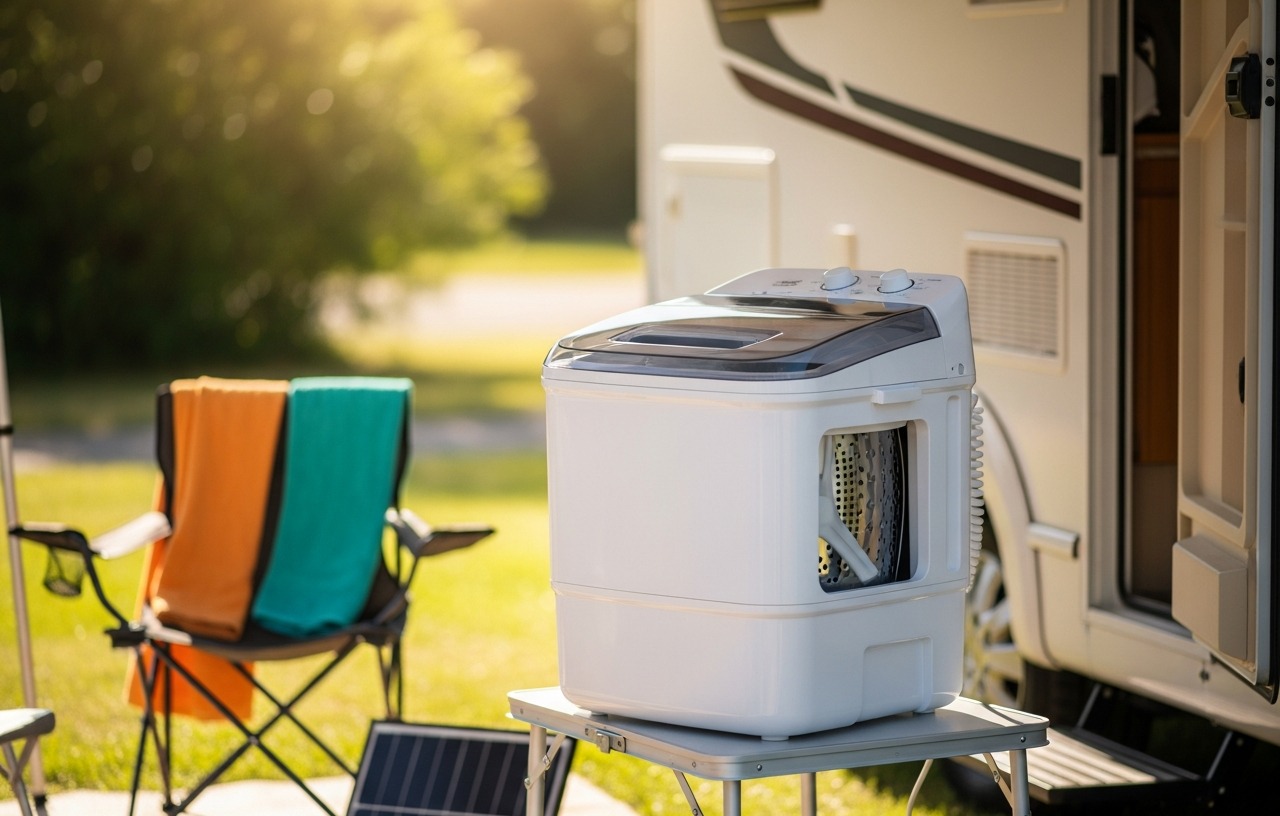
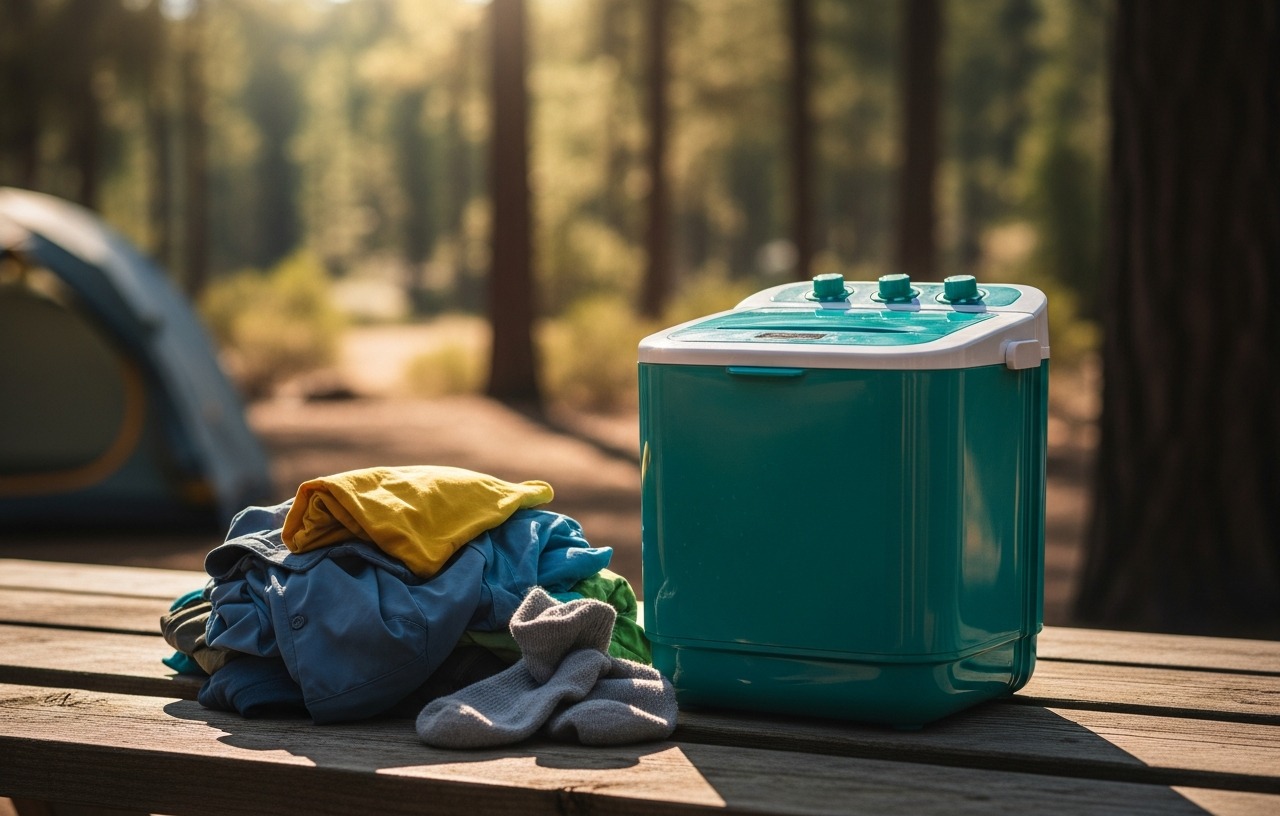
For RV owners or those living off-grid, where water is often sourced or conserved carefully, the water efficiency of portable washing machines becomes even more critical. Every gallon saved contributes to extended periods between refilling tanks or reduced reliance on external water sources. Some portable machines may have an initial purchase price ranging from $100 for basic twin tub models to $350 for automatic compact units.
Optimizing Water Usage in Portable Washing Machines
To make sure your portable washing machine operates at its peak water efficiency, consider these practical tips:
- Match Load Size to Machine Capacity: Always wash full loads. For automatic machines, this means filling it to its recommended capacity. For twin tub models, add enough clothes to be thoroughly agitated without overcrowding the tub.
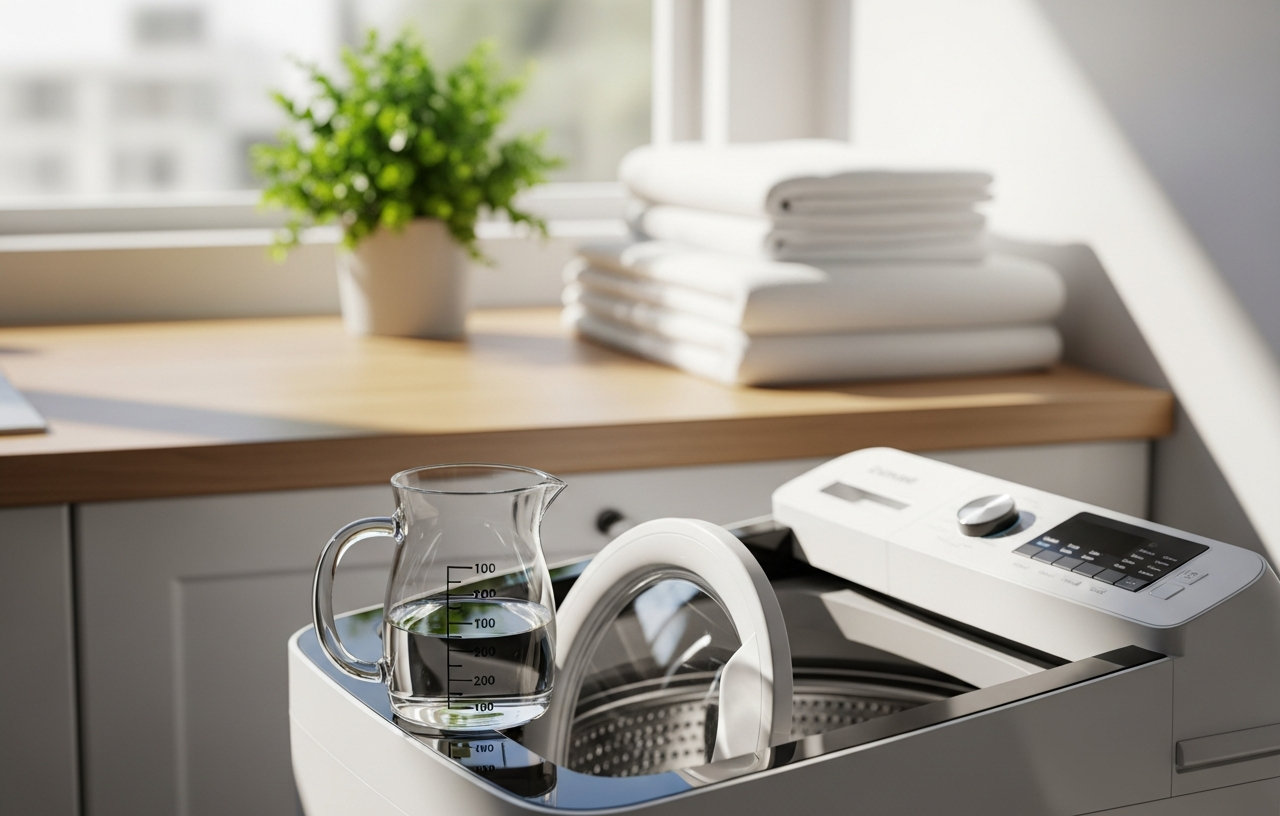
- Use Appropriate Water Levels: If your automatic machine has manual water level settings, select the lowest effective level for your load. For twin tub users, measure your water carefully or use visual cues to avoid overfilling.
- Choose the Right Wash Cycle: Opt for 'Quick Wash' or 'Delicate' cycles for lightly soiled items. Reserve 'Heavy Duty' cycles only for truly dirty laundry.
- Pre-treat Stains: Addressing stains before washing can prevent the need for re-washing or using more aggressive, water-intensive cycles.
- Consider Cold Water Washing: While not directly related to water volume, washing with cold water significantly reduces the energy required to heat water, leading to overall utility savings. Many modern detergents are effective in cold water.
- Maintain Your Machine: A well maintained machine operates more efficiently. Regularly clean the lint filter and check hoses for blockages to ensure optimal performance.
Environmental Impact of Water-Efficient Washing
Choosing a water-efficient portable washing machine has positive environmental implications beyond just saving money. Water conservation is a critical aspect of sustainable living, especially in regions prone to drought or with strained water resources. By using less water per load, these machines reduce the demand on municipal water supplies and wastewater treatment plants.
Additionally, if you are heating the water for your wash, less water used means less energy consumed for heating. This reduction in energy use contributes to a smaller carbon footprint, supporting broader environmental goals. Even small, individual changes in appliance use can collectively make a difference in resource management.
Portable washing machines offer a practical solution for efficient laundry care in diverse living situations. Their inherently lower water usage, coupled with user-controlled options in many models, makes them a smart choice for conserving water and reducing utility expenses. By understanding how these machines work and adopting smart washing habits, users can maximize their water-saving potential effectively.
For those considering a portable washing machine for specific needs, learning more about different models can be helpful. The Best Portable Washing Machines for RV Living & Camping offers additional insights into suitable options for mobile lifestyles.