What Defines a Compact Washing Machine?
A compact washing machine is an appliance specifically engineered for smaller living environments. These units prioritize space efficiency while still providing the core function of cleaning clothes. Unlike standard full-size machines, which often exceed 27 inches in width, compact models typically measure 24 inches or less across, with depths often under 26 inches. This reduced footprint makes them suitable for apartments, condominiums, RVs, tiny homes, and secondary laundry areas.
Capacity is another defining characteristic. While a full-size washing machine might offer 4.0 to 5.0 cubic feet of drum space, compact models generally range from 1.5 to 2.8 cubic feet. This smaller capacity means washing fewer items per load, but it uses less water and energy per cycle. For a single person or a couple, a 2.0 cubic foot machine can comfortably handle daily laundry. A larger compact, like a 2.5 cubic foot model, suits small families or individuals who wash larger items periodically.
Key Differences from Full-Size Washers
Beyond size and capacity, compact washers differ in power requirements, installation complexity, and often, drying methods. Many compact washer-dryer combos, especially those designed to be stackable, use 240V electrical connections, unlike the standard 120V outlets for most standalone compact washers. They frequently incorporate ventless drying technology, which eliminates the need for an external vent, simplifying installation in tight spaces but often extending drying times. Full-size units almost always require a dedicated external vent for their dryers.
The operational noise levels of compact machines are often a consideration, particularly for apartment dwellers. Manufacturers frequently design these units with quieter motors and improved insulation. This is important when the laundry area is close to living or sleeping quarters.
Types of Compact Washing Machines
The market for compact washing machines offers several configurations, each suited to different needs and spatial constraints. Understanding these types helps in selecting the right appliance for your specific situation.
Compact Washer-Dryer Combos: Ventless vs. Vented
Many compact washing machines come as all-in-one washer-dryer combo units. These appliances complete both wash and dry cycles in a single drum. They save significant space compared to separate washing machines and dryers. The primary distinction among combos is their drying technology: ventless or vented.
- Ventless (Condenser) Combos: These machines are more common in compact designs. They do not require an external exhaust vent. Instead, they use a condenser to cool the moist air from the drum, extracting water which then drains away. This makes installation flexible, as they can be placed almost anywhere with water, drain, and electrical access. Drying cycles take longer and often use lower temperatures compared to vented dryers. A typical drying cycle might run for 2 to 3 hours.
- Vented Combos: These units operate more like traditional vented dryers. They expel moist air outside through a duct. Vented compact combos dry clothes faster and more efficiently than their ventless counterparts. However, they demand access to an external vent, which limits placement options.
Stackable vs. Side-by-Side Units
For those needing separate washing and drying capabilities in a small footprint, stackable compact units are a popular choice. What is the smallest stackable washer and dryer? Many models measure just 23.5 to 24 inches wide, 24 to 26 inches deep, and around 66 to 72 inches tall when stacked. This narrow profile allows them to fit into closets or dedicated laundry alcoves. Stackable units usually require a stacking kit to secure the dryer on top of the washer. Both machines in a stackable pair are typically front-loaders.
Side-by-side compact units offer similar dimensions but are placed next to each other. This setup is suitable when horizontal space is available, but vertical space is limited, such as under a countertop. The smallest washer and dryer configurations can be found in both stackable and side-by-side formats, depending on the available dimensions in your home.
Portable Compact Washing Machines
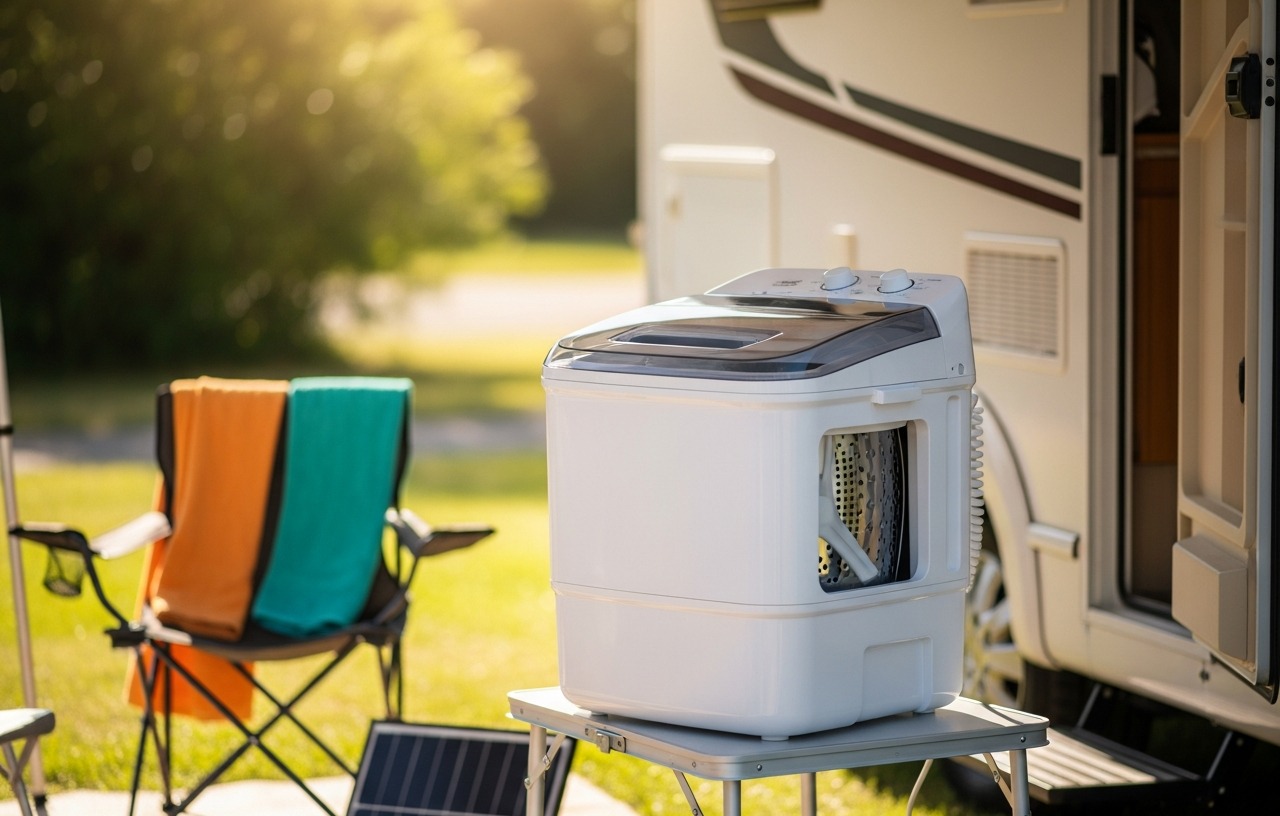
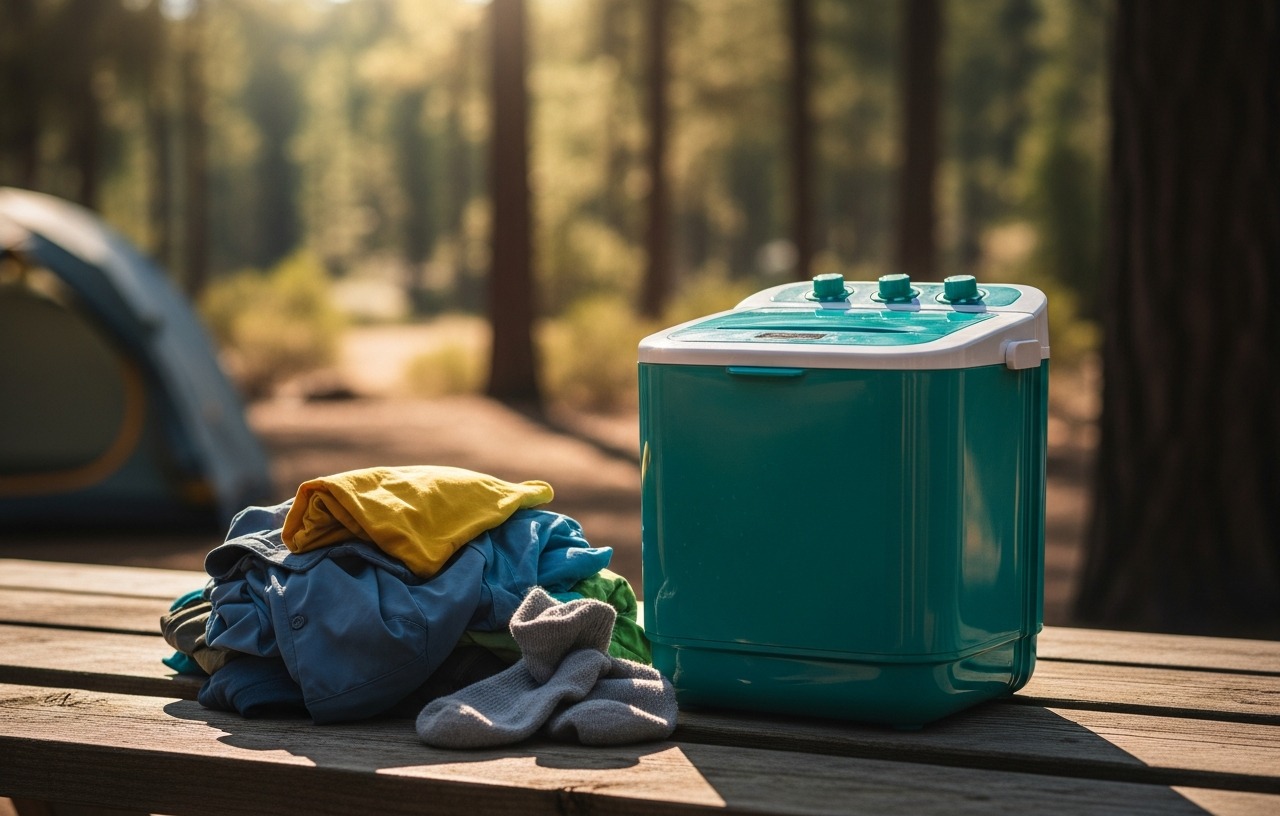
Portable washing machines represent the smallest washing machine category, offering maximum flexibility. These units typically have capacities ranging from 0.9 to 2.2 cubic feet. They feature wheels for easy movement and connect to a standard kitchen or bathroom faucet for water intake. A drain hose directs wastewater into a sink or tub. Most portable washers operate on a standard 120V outlet. They do not have built-in dryers, requiring clothes to be air-dried or put through a separate compact dryer. These are ideal for RV living, camping, dorm rooms, or very small apartments where permanent plumbing modifications are not an option. For more details on portable options, you can consult our guide on The Best Portable Washing Machines for RV Living & Camping.
Front-Loader vs. Top-Loader Compact Washers
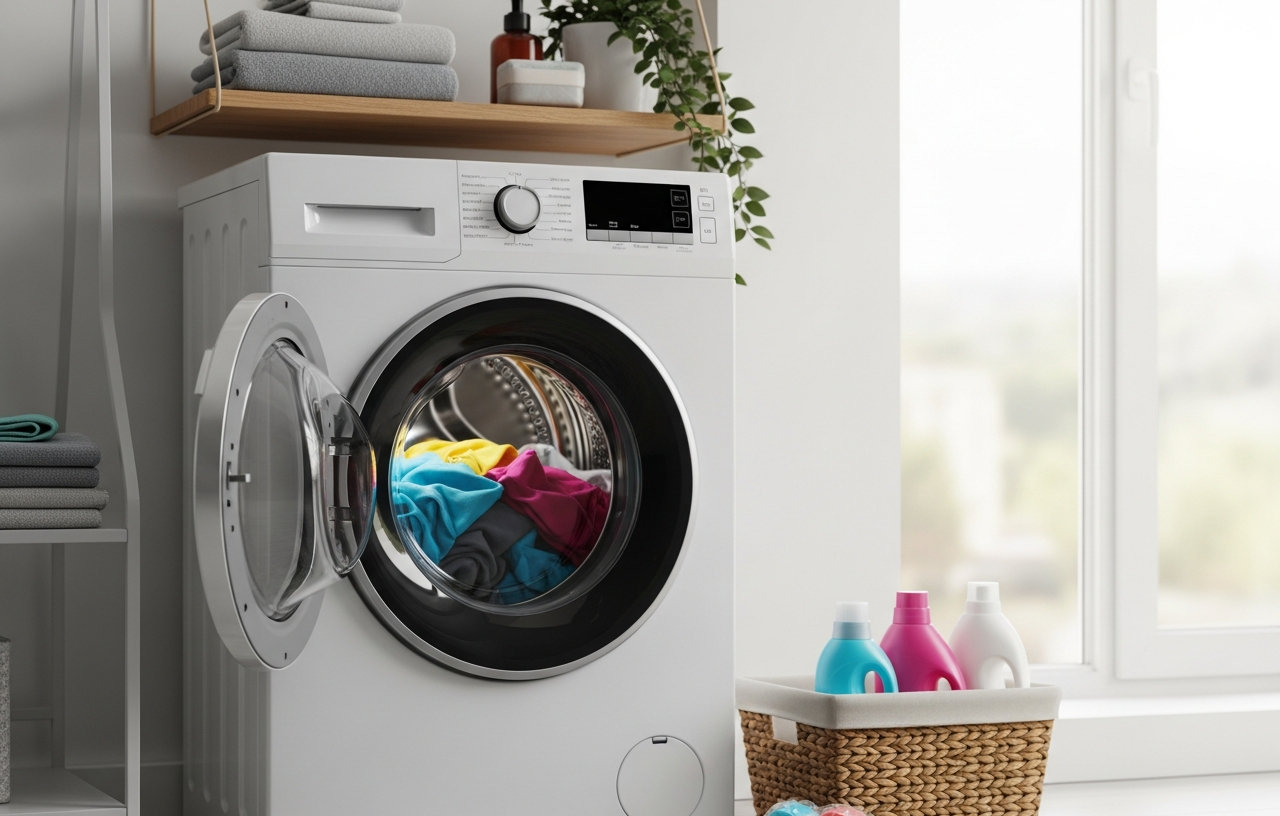
Most compact washing machines are front-loading models. What is the smallest front loader washing machine? Many are 23.5 to 24 inches wide, with capacities around 2.2 to 2.8 cubic feet. Front-loaders often offer better cleaning performance, use less water, and are more energy-efficient than top-loaders. Their tumbling action is gentler on clothes. They also allow for stacking, maximizing vertical space.
Compact top-loading washers exist, usually in the portable category. They are generally smaller in width and depth than front-loaders, but their top-opening lid means they cannot be stacked or placed under a counter. They are simpler in design and often more affordable. For very constrained spaces where only a small, standalone unit is needed, a compact top-loader can be a practical choice.
Installation and Power Requirements
Proper installation is vital for the safe and efficient operation of any compact washing machine. Requirements vary significantly depending on the type of unit.
Electrical Connections
Most standalone compact washing machines and portable models operate on a standard 120V, 15-amp electrical circuit. These units simply plug into a regular wall outlet. However, compact washer-dryer combos and many stackable laundry pairs often require a dedicated 240V, 30-amp electrical circuit. This higher voltage powers the dryer element more efficiently. Make sure your electrical system can support the specific voltage and amperage requirements of your chosen appliance. An electrician may be needed to install a new circuit if one is not already present.
Water and Drain Connections
All compact washing machines need a cold water inlet, and many require a hot water inlet as well. These connect to standard household water lines using braided stainless steel hoses. The drain hose typically hooks over the side of a utility sink or connects to a standpipe, similar to a full-size washer. Portable models use a special adapter that attaches to a kitchen or bathroom faucet for water supply, with the drain hose directed into the sink basin.
Ventilation for Dryer Combos
As discussed, ventless washer-dryer combos do not need an external vent. This simplifies installation. Vented compact combos, however, require a 4-inch diameter exhaust duct leading to the outside of the dwelling. The duct should be as short and straight as possible to prevent lint buildup and maintain drying efficiency. Improper venting can lead to longer drying times and potential fire hazards.
Capacity Considerations: How Much Can They Wash?
Understanding the actual washing capacity of a compact machine is key to managing laundry expectations. While manufacturers list capacity in cubic feet, it helps to translate this into practical load sizes.
- 1.5 to 1.8 Cubic Feet: These are typically found in the smallest portable washers. They can handle about 5 to 7 pounds of dry laundry. This translates to 1-2 pairs of jeans, 3-4 shirts, or a small towel load. They are perfect for daily loads for one person.
- 2.0 to 2.2 Cubic Feet: A common size for compact standalone washers and smaller combos. These can manage 7 to 10 pounds of laundry. This is enough for 2-3 pairs of jeans, 5-6 shirts, or a medium load of towels. They suit individuals or couples.
- 2.5 to 2.8 Cubic Feet: These larger compact units can hold 10 to 12 pounds of laundry. This capacity accommodates 3-4 pairs of jeans, 7-8 shirts, or a small queen-size comforter. Overloading reduces cleaning effectiveness, strains the motor, and can cause premature wear. Always follow the manufacturer's guidelines for load size and weight.
Cost of Compact Washing Machines
The price of compact washing machines varies widely based on type, features, and brand. Portable top-loading washers are generally the most affordable, ranging from approximately $150 to $400. These are basic units focusing on functionality and portability.
Standalone compact front-load washers, without integrated drying, typically cost between $500 and $900. These offer more advanced wash cycles and features. Compact washer-dryer combo units, which combine both functions, represent a higher investment, usually priced from $800 to $1,500. high end models with advanced features like steam cycles or smart connectivity can exceed $2,000. Stackable compact washer and dryer pairs, sold as separate units, often fall into a similar price range, with each component costing between $600 and $1,200.
Maintenance and Longevity
Like any appliance, compact washing machines benefit from regular maintenance to maximize their lifespan and performance. The average lifespan of a compact washing machine is typically 8 to 12 years, comparable to full-size models, depending on usage and care.
Regular maintenance includes cleaning the detergent dispenser, wiping down the door gasket on front-loaders to prevent mold and mildew, and periodically running a cleaning cycle with a washing machine cleaner. For ventless dryer combos, cleaning the condenser filter is essential to maintain drying efficiency. For vented units, make sure the dryer vent is clear of lint buildup. Addressing minor issues promptly, such as cleaning the drain pump filter, can prevent more significant problems down the line.
Who Benefits Most from a Compact Washing Machine?
Compact washing machines cater to specific demographics and living situations where space is a premium.
- Apartment and Condo Dwellers: Individuals or couples living in smaller urban apartments often lack dedicated laundry rooms. A compact unit allows them to do laundry at home without sacrificing significant living space.
- RV and Van Lifers: For those on the road, a compact or portable washing machine is a practical solution for handling laundry without relying on laundromats. Their smaller size and often flexible installation are ideal for mobile living.
- Tiny Home Owners: Every square foot matters in a tiny home. Compact washers, especially stackable or combo units, provide essential laundry capabilities within a minimal footprint.
- College Students: Dorm rooms or shared student housing often have limited space. A portable compact washer can offer a convenient alternative to communal laundry facilities.
- Those Needing a Secondary Laundry Solution: Some homeowners may use a compact washer in a basement apartment, a garage, or a vacation home as a supplementary laundry option.
The decision to get a compact washing machine comes down to balancing laundry needs with available space. These appliances offer a practical, efficient way to manage laundry in settings where traditional machines simply will not fit.