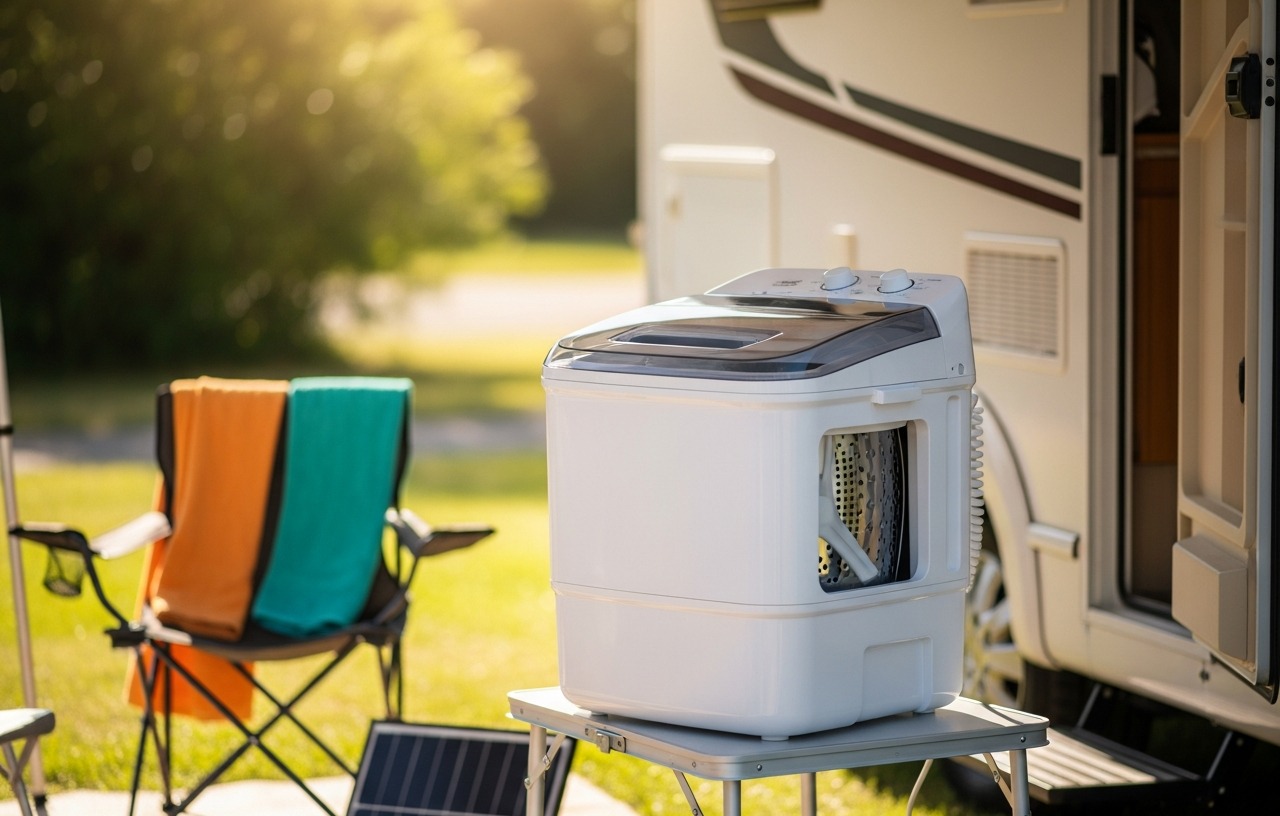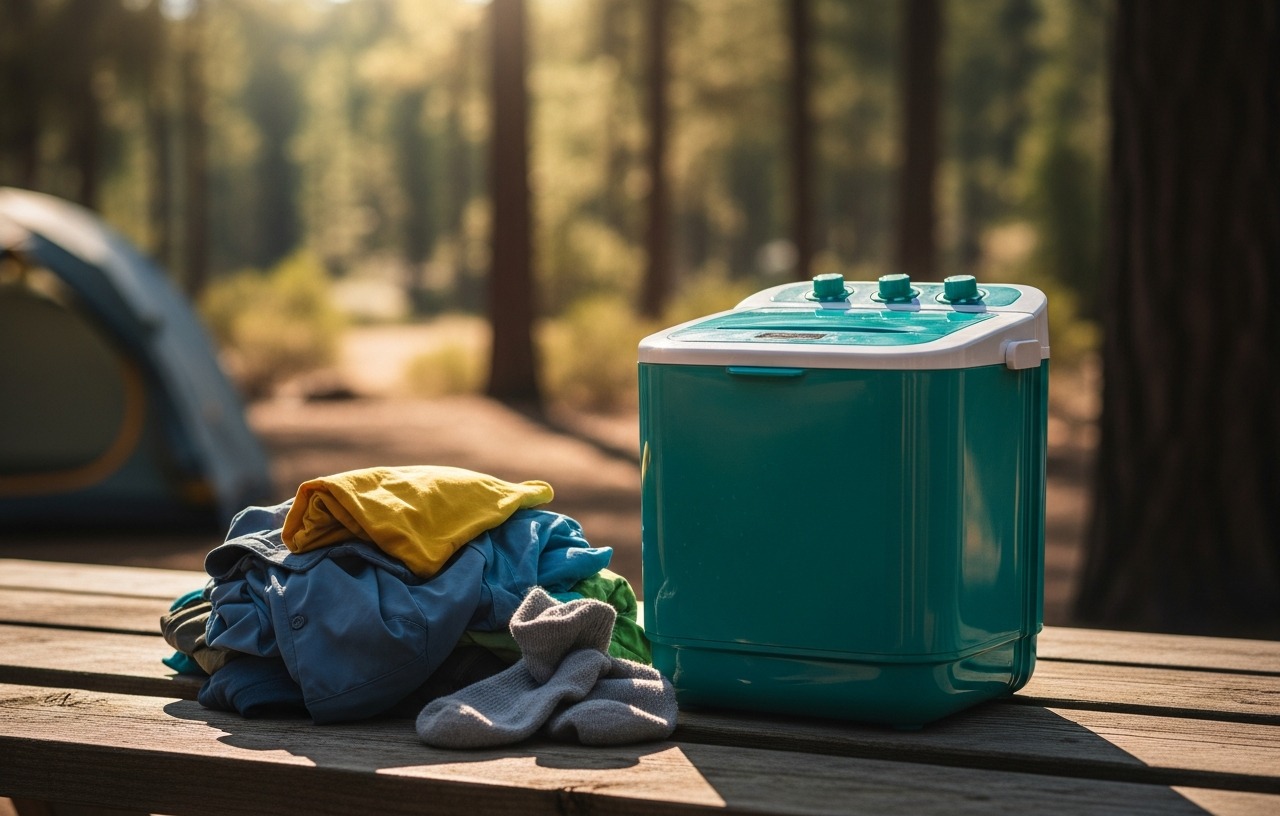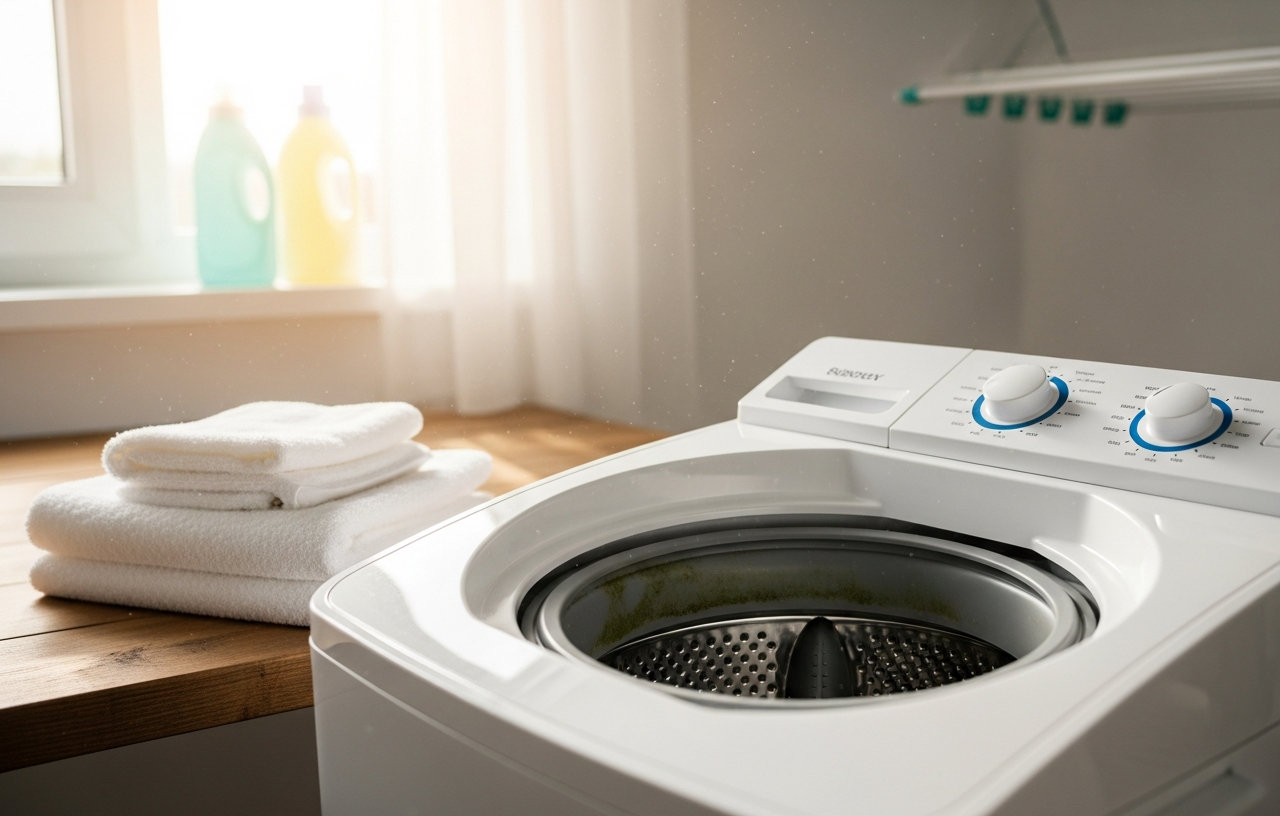
A portable washing machine that smells like mildew is a clear sign of microbial growth. This common issue arises from trapped moisture, detergent buildup, or drainage problems. Identifying the specific cause is essential for effective treatment. Most often, the problem stems from mold or bacteria thriving in damp, dark environments within the machine, or from residue buildup that provides a food source for these microbes.
Identifying the Source of Mildew in Your Portable Washer
The first step in curing a mildew smell is to pinpoint its origin. A quick visual inspection and a few simple tests can confirm whether the issue is internal grime, improper drainage, or a combination of factors. Addressing these problems early prevents more persistent odors and potential damage to your clothes.
Cause 1: Mildew and Mold Growth Inside the Washer
This is the most frequent cause of a foul odor. Portable washers, like their full-sized counterparts, can harbor mold and mildew in various places. These organisms thrive in the residual moisture left after a wash cycle, especially if the machine is not allowed to dry properly.
How to Check for Mildew and Mold:
- Visual Inspection of the Drum: Open the lid and look closely at the interior of the drum. Pay attention to any dark spots, especially around the agitator or impeller.
- Examine the Gasket/Seal (if applicable): Some portable washers have a rubber gasket around the lid or where the lid meets the drum. Peel back any folds or crevices in this seal to look for black, slimy, or fuzzy growth.
- Check the Detergent Dispenser: Remove the detergent and fabric softener dispenser trays. Inspect them for any residue, mold, or slime. These are prime locations for buildup.
- Sniff Test: Get close to different parts of the washer, including the drain hose opening, and take a deep breath. A concentrated mildew smell will confirm the presence of microbial growth.
Confirmed Diagnosis: Mold or Mildew Growth
If you find visible mold or a strong, localized mildew smell, the problem is active microbial growth. This requires a thorough cleaning.
Cleaning Steps for Mold and Mildew:
- Empty Hot Water Cycle with Cleaner: Run an empty wash cycle using the hottest water setting available. Add two cups of white vinegar directly to the drum, or use a specialized washing machine cleaner. Many users also recommend adding half a cup of baking soda for extra deodorizing power.
- Scrub Visible Areas: For any visible mold on gaskets, dispensers, or the drum interior, create a paste of baking soda and a little water, or use a vinegar solution. Scrub these areas with a soft brush or old toothbrush.
- Clean Dispenser Trays: Soak removable dispenser trays in hot, soapy water or a vinegar solution. Scrub away any residue before returning them to the machine.
- Dry Thoroughly: After cleaning, leave the washer lid open for several hours, or even overnight, to allow the interior to air dry completely.
Preventative Measures and Product Recommendation:
To prevent future mildew growth, consider using a laundry sanitizer. You can add it to the fabric softener dispenser during every wash cycle, providing continuous sanitation without bleach. The 90 Fl Oz pack of 2 provides a long-lasting solution, typically priced around $18-$25.

- The information below is per-pack only
- Add Lysol Laundry Sanitizer to every wash, in the fabric softener drawer, to sanitize and deodorize smelly.
- Lysol Laundry Sanitizer is a bleach alternative that effectively kills 99.9% of bacteria, without the.
- Better than in-wash scent boosters that just mask bad odors. Lysol Laundry Sanitizer kills the odor.
Lysol also offers a Tough Odor Eliminator Laundry Sanitizer Additive, specifically formulated for gym clothes and activewear, which also eliminates 99.9% of bacteria and viruses. This option is good for households with active lifestyles. A 90 Fl Oz bottle often costs between $10 and $15.

- ELIMINATES 99.9% OF BACTERIA AND VIRUSES*: Including the Covid-19 virus.** *Use as directed. **Eliminates.
- Use Lysol Laundry Sanitizer to remove bad smells and sanitize gym clothes, towels, jerseys and uniforms.
- CONTAINS 0% BLEACH, GENTLE ON FABRICS: Bleach and Phosphate free. Gentle on most fabrics, including whites.
- Add to the Fabric Softener compartment or during the rinse cycle to sanitize laundry and eliminate odor.
For everyday use, a smaller 41oz bottle of Lysol Laundry Sanitizer Additive, Crisp Linen scent, provides similar bacterial elimination for general clothes and linens. This size is usually available for $6-$10.

- ELIMINATES 99.9% OF BACTERIA AND VIRUSES*: Including the Covid-19 virus;** *Use as directed;**Eliminates.
- Use Lysol Laundry Sanitizer to remove bad smells and sanitize bedding, towels, children’s clothes, baby’s.
- Use Lysol Laundry Sanitizer to remove bad smells and sanitize bedding, towels, children’s clothes, baby’s.
- EASY TO USE; WORKS IN ALL STANDARD & HE MACHINES: Add to the Fabric Softener compartment or during the.
Repair Cost:
The cost for addressing mildew and mold growth is generally low. It involves the price of cleaning supplies (vinegar, baking soda, or a dedicated washer cleaner, typically $5-$30) and potentially a laundry sanitizer for ongoing prevention.
Cause 2: Detergent and Fabric Softener Residue
Using too much detergent or fabric softener, especially with soft water or smaller loads common in portable washers, can lead to a sticky residue. This residue builds up in the drum, hoses, and dispenser. It not only traps moisture but also serves as a food source for mold and bacteria, contributing significantly to the mildew smell.
How to Check for Detergent Residue:
- Examine the Dispenser: Look for thick, gummy, or crusty buildup in the detergent and fabric softener dispenser.
- Feel the Drum Interior: After a wash cycle, run your hand along the inside of the drum. If it feels slimy, greasy, or overly slick, you likely have residue.
- Visual Inspection After Empty Cycle: Run an empty hot water cycle without any detergent. If you see excessive suds or foamy water, it indicates detergent residue is still present in the machine.
Confirmed Diagnosis: Detergent Residue Buildup
If you confirm detergent residue, the solution involves thorough cleaning and adjusting your laundry habits.
Cleaning Steps for Detergent Residue:
- Multiple Hot Water Cycles: Run several empty hot water cycles. For the first cycle, add two cups of white vinegar to help break down the residue. For subsequent cycles, just use hot water until no suds are visible.
- Scrubbing: Manually scrub any visible residue from the dispenser and drum with a brush and hot water.
Preventative Measures:
- Reduce Detergent: Use significantly less detergent than you might for a full-sized machine. Many portable washers require only one to two tablespoons of high-efficiency (HE) detergent per load.
- Skip Fabric Softener: Consider eliminating fabric softener, which is a major contributor to residue. If you must use it, dilute it with water before adding it to the dispenser.
- Run Monthly Cleaning Cycles: Perform a cleaning cycle with vinegar or a washer cleaner once a month to prevent buildup.
Repair Cost:
Addressing detergent residue typically costs nothing beyond the price of white vinegar (a few dollars) and the water/electricity for extra rinse cycles.
Cause 3: Drainage Issues
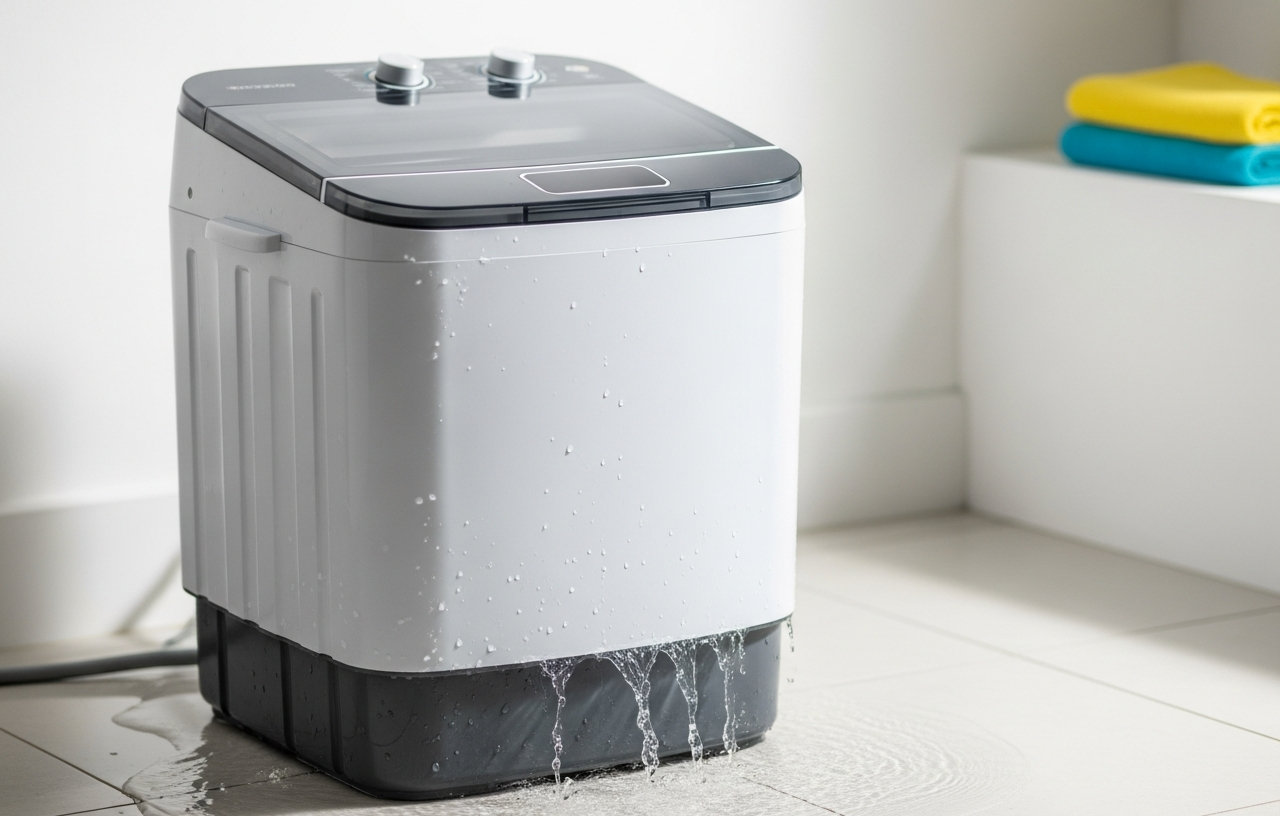
A portable washer needs to drain completely after each cycle. If water remains in the drum or hoses, it quickly becomes stagnant and a breeding ground for odor-causing bacteria and mold. This can be due to a clogged drain, a kinked hose, or a malfunctioning drain pump.
How to Check for Drainage Issues:
- Observe the Drain Cycle: During the drain cycle, listen for the sound of the pump working. Watch the water flow through the drain hose. If the water drains slowly, incompletely, or not at all, you have a drainage problem.
- Check the Drain Hose: Inspect the drain hose for kinks, twists, or blockages. Make sure it's properly positioned and not pushed too far into a sink or drain, which can create a siphon effect.
- Look for Standing Water: After a cycle finishes, open the lid and check if any water remains in the bottom of the drum. Even a small puddle can indicate an issue.
Confirmed Diagnosis: Drainage Problem
If your washer isn't draining correctly, the solution depends on the specific cause.
Troubleshooting Drainage:
- Straighten the Hose: If the drain hose is kinked, straighten it out. Make sure it has a continuous downward slope to the drain.
- Clear Blockages: Disconnect the drain hose from the washer and the sink/drain. Carefully inspect it for lint, hair, or other debris. You might need to flush it with water or use a thin brush to clear it.
- Check the Drain Pump Filter (if accessible): Some portable washers have a small filter near the drain pump that can become clogged. Consult your appliance manual for its location and instructions on how to clean it.
- Test the Drain Pump: If the hose is clear and no kinks are present, but water still doesn't drain, the drain pump might be failing. This usually requires professional service or replacement.
Repair Cost:
Fixing a kinked or clogged drain hose is usually free, requiring only your time. If the drain pump needs replacement, parts typically cost $30-$80 for a DIY repair, plus the time involved. Professional repair for a drain pump can range from $100-$250, depending on the model and labor rates.
Other Contributing Factors to Mildew Smell
- Leaving Wet Clothes Inside: Allowing wet laundry to sit in the washer for extended periods creates an ideal environment for mold and mildew to flourish, transferring the smell to the machine itself.
- Keeping the Lid Closed: After a wash cycle, leaving the lid of your portable washer closed traps moisture inside. Always leave the lid ajar for several hours after use to allow the drum to air dry completely.
- Infrequent Cleaning: Regular cleaning, even monthly, prevents the buildup of soap scum and mildew.
Maintaining a Fresh-Smelling Portable Washer
Preventing mildew is easier than eliminating it. Incorporate these habits into your laundry routine:
- Air Dry After Each Use: Always leave the washer lid open for a few hours after the last load to allow the interior to dry.
- Use Less Detergent: Especially with high-efficiency (HE) detergents, a little goes a long way. Consult your washer's manual for recommended amounts.
- Clean Regularly: Run an empty hot water cycle with two cups of white vinegar or a washer cleaner once a month.
- Wipe Down Surfaces: Routinely wipe down the drum, gasket, and detergent dispenser with a cloth dampened with vinegar or an all-purpose cleaner.
- Remove Clothes Promptly: Transfer wet laundry to the dryer or clothesline as soon as the wash cycle finishes.
By understanding the common causes and implementing these preventative and cleaning measures, you can keep your portable washing machine smelling fresh and extend its lifespan. A clean machine means cleaner clothes.
The Best Portable Washing Machines for RV Living & Camping