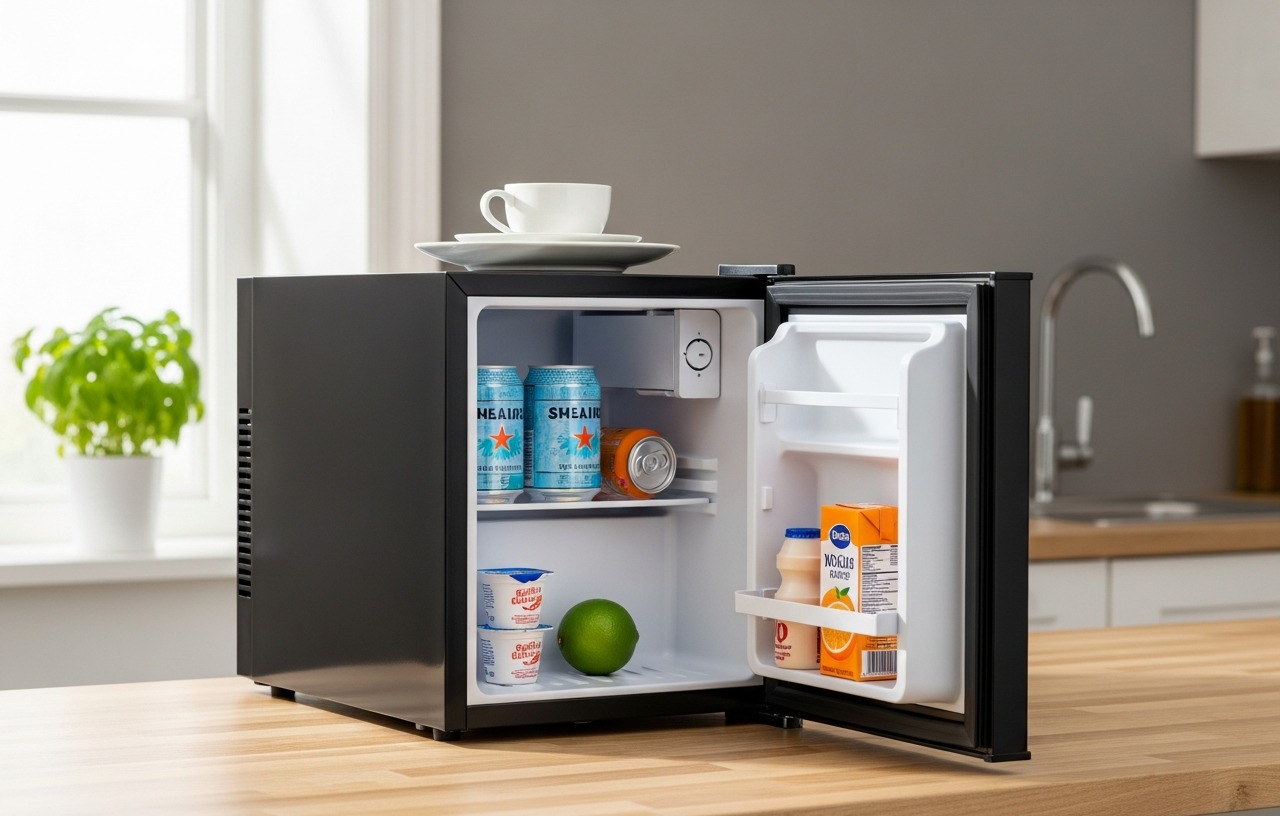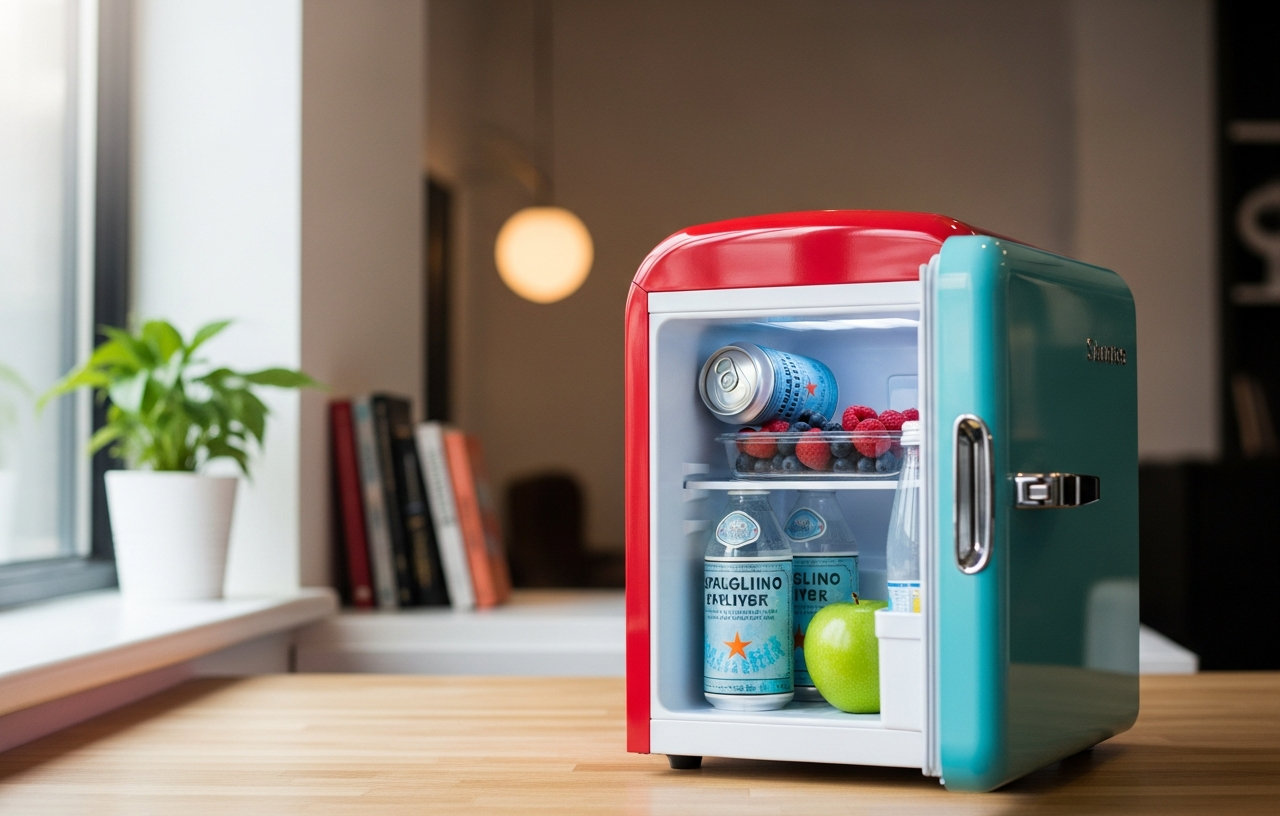
Most mini fridges operate for 6 to 10 years before requiring replacement, a shorter duration compared to the 10 to 15 years expected from a full-sized kitchen refrigerator. The specific mini fridge lifespan varies based on its cooling technology, frequency of use, and the care it receives. Understanding these variables helps owners make informed decisions about purchasing, maintaining, and replacing these compact appliances.
Average Mini Fridge Lifespan by Type
The core technology inside a mini fridge dictates much of its expected operational life. There are two primary types of cooling systems found in compact refrigerators: compressor-based and thermoelectric.
Compressor-Based Mini Fridges
Compressor-based mini fridges function much like their larger kitchen counterparts. They use a refrigerant, a compressor, condenser coils, an expansion valve, and evaporator coils to move heat out of the insulated compartment. This system is efficient and capable of reaching lower temperatures consistently. A typical compressor-based mini fridge can last 7 to 10 years, sometimes even longer with excellent maintenance. Their robust design makes them suitable for continuous operation in various environments, from dorm rooms to home offices.
Thermoelectric Mini Fridges
Thermoelectric mini fridges, also known as Peltier coolers, use the Peltier effect to create a temperature difference. They do not use refrigerants or compressors, making them quieter and lighter. However, they are less efficient at cooling, especially in warm ambient temperatures, and typically cannot reach temperatures as low as compressor models. The lifespan for a thermoelectric mini fridge is generally shorter, ranging from 4 to 6 years. Their simpler design means fewer moving parts, but the electronic components can still degrade over time, particularly if subjected to continuous high temperatures or power fluctuations.
Factors That Influence Mini Fridge Lifespan
Several factors beyond the cooling technology itself influence how long a mini fridge will last. These include how it is used, where it is placed, and how well it is maintained.
Usage Patterns and Frequency
A mini fridge running 24/7 in a college dorm will likely have a shorter lifespan than one used intermittently in a guest room. Constant operation puts more stress on the compressor or thermoelectric module, leading to faster wear and tear. Frequent opening and closing of the door also increases the workload, as the unit must continually work to restore the internal temperature. A mini fridge used in an RV or for camping, experiencing vibrations and varied power sources, might also see a reduced lifespan compared to a stationary unit.
Environmental Conditions and Placement
The ambient temperature and ventilation around a mini fridge play a significant role in its longevity. Placing a mini fridge in a hot, poorly ventilated space, such as a garage without air conditioning or a tight cabinet, forces the cooling system to work harder. This increased workload generates more heat, which can accelerate the degradation of components like the compressor or cooling fan. Most manufacturers recommend at least 3-5 inches of clearance around the back and sides for proper airflow.
Maintenance Habits
Regular maintenance is critical for extending the mini fridge lifespan. Neglecting simple tasks like defrosting or cleaning can lead to inefficiencies and component failures. For instance, a thick layer of ice on the evaporator coils reduces cooling efficiency, making the compressor run longer and harder. Dirty condenser coils, common on compressor models, prevent proper heat dissipation, causing the compressor to overheat.
Build Quality and Brand Reputation
Like any appliance, the quality of materials and manufacturing standards vary across brands and models. Higher-quality mini fridges often use more durable compressors, better insulation, and more robust electronic controls. While a budget model might cost $80-$150, a more premium, durable unit can range from $200-$400. Investing in a reputable brand known for appliance durability can often translate to a longer lifespan and fewer issues.
Common Mini Fridge Failure Points and Their Impact
Understanding the components most likely to fail can help diagnose problems and decide whether repair is feasible. Most mini fridge issues stem from a few key areas.
Compressor Failure
The compressor is the heart of a compressor-based mini fridge. It circulates the refrigerant. When a compressor fails, the mini fridge typically stops cooling entirely. Symptoms include a complete lack of cooling, unusual loud noises, or the unit repeatedly turning on and off without cooling. Replacing a compressor is expensive, often costing $200-$400 for parts and labor, which frequently exceeds the cost of a new mini fridge, especially for smaller units.
Thermostat Malfunctions
The thermostat regulates the internal temperature. A faulty thermostat can cause the mini fridge to either overcool (freezing contents) or not cool enough. This component is generally less expensive to replace, with parts costing $20-$50 and labor adding $50-$100. It is a common fix that can restore proper function.
Door Gasket Degradation
The door gasket creates an airtight seal, preventing warm air from entering and cold air from escaping. Over time, gaskets can become brittle, cracked, or loose, leading to poor sealing. This forces the compressor to run constantly, increasing energy consumption and accelerating wear. Replacing a door gasket is a relatively simple and inexpensive fix, usually costing $15-$50 for the part. This small repair can significantly improve efficiency and extend the mini fridge lifespan.
Evaporator Coil Issues
In compressor-based units, the evaporator coils absorb heat from the interior. Issues like excessive frost buildup (due to poor defrosting or a faulty defrost sensor) or a leak in the refrigerant lines can impair their function. Frost buildup can be resolved by defrosting the unit. A refrigerant leak, however, requires professional repair, which can be costly and involve finding and sealing the leak, then recharging the system. This type of repair can easily cost $150-$300.
Cooling Fan Failure (Thermoelectric Units)
Thermoelectric mini fridges often rely on a small fan to dissipate heat from the hot side of the Peltier module. If this fan fails, the unit will lose its cooling capacity. Replacing the fan is usually a simple DIY task, with parts costing $10-$30. This is one of the more common and repairable failures in thermoelectric models.
When to Repair Versus Replace Your Mini Fridge
Deciding whether to repair a broken mini fridge or buy a new one involves weighing several factors, primarily cost, age, and the severity of the problem.
Cost Analysis
As a general rule, if the repair cost approaches or exceeds 50% of the price of a new mini fridge, replacement is often the more economical choice. For example, if a new mini fridge costs $150-$250, and a compressor replacement is quoted at $250, buying new makes more sense. Smaller repairs, such as a faulty thermostat ($70-$150 total) or a new door gasket ($30-$80 total), are usually worth considering, especially for units less than 5 years old.
Age of the Appliance
An older mini fridge, especially one approaching or past its typical 6-10 year lifespan, is a candidate for replacement rather than repair. Components wear out over time, and a repair on one part might soon be followed by a failure in another. A 9-year-old unit with a failing compressor likely signals the end of its useful life.
Energy Efficiency
Older mini fridges are generally less energy-efficient than newer models. Replacing an old, struggling unit with a new ENERGY STAR-rated model can lead to long term savings on electricity bills. This is an additional benefit to consider when making a replacement decision, beyond just the repair cost.
If your mini fridge is not cooling properly, consult our guide for common fixes and repair costs. Mini Fridge Not Cooling? Common Fixes & Repair Costs
Extending Your Mini Fridge's Lifespan
Proactive care and correct usage significantly prolong the mini fridge lifespan. These simple steps can add years to your appliance's operational life.
Proper Placement and Ventilation
Always place your mini fridge on a level, stable surface. Make sure there is adequate clearance around the back and sides, typically 3-5 inches, to allow for proper airflow. This prevents the cooling system from overheating. Avoid placing it in direct sunlight or next to heat sources like ovens or radiators.
Regular Cleaning
Periodically clean the interior with a mild detergent and water. For compressor-based models, vacuum the condenser coils at the back or bottom of the unit every 6-12 months. Dust and pet hair accumulation on these coils force the compressor to work harder, reducing efficiency and lifespan. Wipe down the door gasket regularly to keep it pliable and free of food debris that can compromise the seal.
Defrosting Schedule
Many mini fridges, especially older or basic models, are manual defrost. Accumulation of ice on the evaporator coils dramatically reduces cooling efficiency. Defrost your mini fridge when the ice layer reaches about a quarter-inch thick. This prevents strain on the compressor and maintains optimal cooling. For a step by step guide, see our article on defrosting. How to Defrost Mini Fridge: Simple step by step
Avoid Overloading
Do not pack the mini fridge so tightly that air cannot circulate. Proper air circulation is necessary for even cooling. Overloading also makes the unit work harder to maintain temperature, shortening its lifespan.
Maintain Consistent Temperature Settings
Avoid frequently adjusting the thermostat. Find an optimal setting that keeps your items cold without freezing them, and leave it there. Constant temperature changes put unnecessary stress on the cooling system.
Lifespan Considerations by Specific Use Case
The environment and specific application of a mini fridge can also influence its durability.
Dorm Room or Office Use
Mini fridges in dorm rooms or offices often experience heavy, continuous use. They might be moved frequently, leading to potential damage to internal components. These units benefit most from robust compressor-based designs and careful handling during relocation.
RV, Van, or Camping Fridges
Portable mini fridges used in RVs, vans, or for camping face unique challenges. They are subjected to vibrations, varied power sources (DC 12V/24V or AC 120V), and often extreme temperature fluctuations. While many are designed for rugged use, their lifespan can be affected by these harsh conditions. Look for models specifically rated for automotive or marine use, which often have enhanced durability features.
Beverage Coolers
Dedicated beverage coolers, which are essentially mini fridges optimized for drinks, usually operate at a consistent, slightly higher temperature than food fridges. This consistent, less demanding operation can sometimes contribute to a longer lifespan if they are not overloaded and are properly ventilated.
Conclusion
The typical mini fridge lifespan ranges from 6 to 10 years, with compressor models generally outlasting thermoelectric units. Factors like consistent use, proper ventilation, and regular maintenance are critical in extending this period. While a new mini fridge typically costs $100-$400, major repairs like a compressor replacement often make replacement the more practical and economical choice, especially for older units.